
SRE Material Handling Equipment Pvt. Ltd.: Manufacturer, Supplier, And Exporter Of Hydraulic Stacker in India.
SRE Material Handling Equipment Pvt. Ltd., Manufacturer And Supplier Of Hydraulic Stacker Pune.
Our Manufacturing Unit is in Ahmedabad, Vadodara, and Rajkot, Gujarat, India.
Hydraulic Stacker Pune: A Practical Solution for Modern Warehouse & Industrial Operations
In everyday warehouse and industrial settings, the demand to achieve more with fewer resources has intensified. Keeping up the pace while ensuring safety and accuracy is a constant focus, from receiving incoming freight to preparing loads for shipment. Common manual handling approaches often fail to match increasing shipment volumes and tighter delivery windows. This is precisely where a Hydraulic Stacker emerges as a sensible and dependable instrument, assisting operational teams in boosting effectiveness while lessening staff tiredness and potential hazards.
1. The Evolving Requirements of Contemporary Warehouses and Sectors
Over the last ten years, operations within warehouses and factories have transformed considerably. The quantity of orders is climbing, turnaround times are becoming shorter, and supply chain interruptions are more prevalent. Managers now have to balance:
- Demands for high output across various work periods
- Constrained floor space featuring narrow passages
- Shortages of available staff and escalating pay rates
- Adherence to safety regulations and ergonomic standards
In regular daily activities, such as shifting pallets from receiving docks to storage racks or loading completed items onto transport vehicles, inefficiencies can quickly lead to postponements, increased expenditures, and worker exhaustion. In practical terms, any apparatus that enhances consistency without adding complication warrants thought.
2. Defining a Hydraulic Stacker
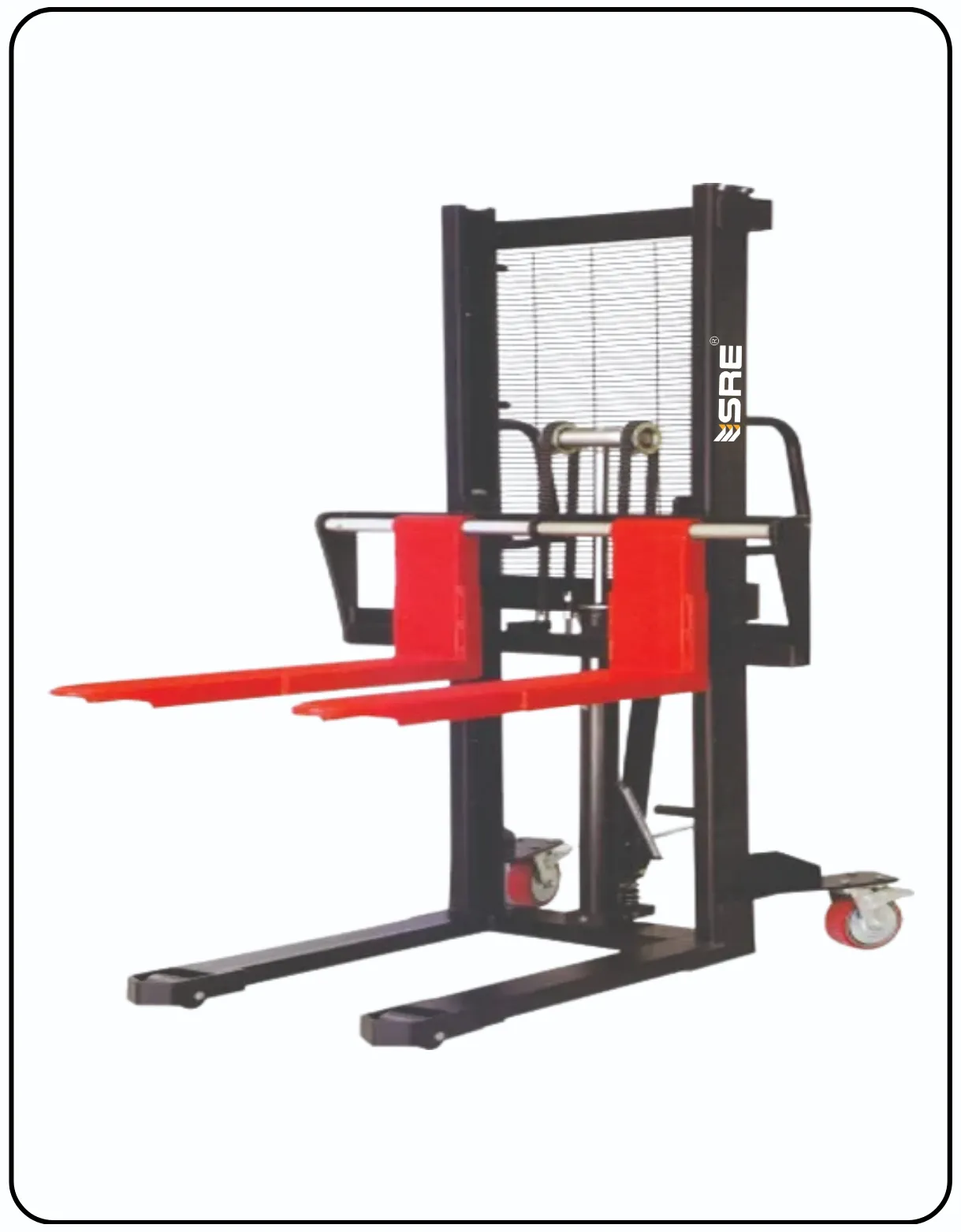
A Hydraulic Stacker is a lifting apparatus, either manually operated or with power assistance, engineered to elevate, lower, and move goods loaded on pallets. In contrast to basic manual pallet jacks, hydraulic stackers utilize a straightforward pump-and-cylinder mechanism to raise loads off the floor. This enables operators to place materials onto shelving, load them onto racking, or move them between work stations with superior command and less physical strain.
To put it simply, a Mobile floore Crane fills the void between elementary pallet movement and more sophisticated lifting gear, without incurring the expense or taking up the space of a forklift.
3. Explaining the Shift Away from Older Manual Equipment to Hydraulic Stackers
In numerous facilities, crews still depend on standard pallet trucks or makeshift lifting techniques. In day-to-day tasks, these methods frequently result in:
- Staff exhaustion: Repeated bending, pushing, and pulling accumulate throughout a shift.
- Varying load management: Manual lifting differs between individuals, increasing the chance of loads being dropped.
- Slower cycle durations: Every surplus minute per pallet adds up when hundreds of relocations are necessary daily.
A hydraulic stacker facilitates smoother raising and carefully controlled lowering. Personnel can position loads at rack height without overexertion, diminishing the probability of injuries affecting muscles or the skeleton. In environments where uniformity is vital, such as cross-docking or order completion, this dependability enhances the overall flow of work.
4. Technology and Effectiveness in Operations
Hydraulic stackers are built for durability and consistent performance. Key characteristics that contribute to operational efficiency include:
- Robust hydraulic assemblies: Built for repeated usage, requiring minimal servicing
- Comfortable grips and controls: Decrease operator strain and boost exact placement
- Design requiring little upkeep: Less time spent on fixes means more productive time on the floor
Unlike electrically powered lifts necessitating charging resources and downtime scheduling, many hydraulic stackers function with simple mechanical principles. For smaller to mid-sized operations or supplementary handling duties, this straightforwardness directly translates to greater accessibility.
5. Maximizing Space and Ease of Movement
Modern storage facilities often prioritize high-density setups and aisles that are narrower aisles. The compact build of a Pallet Truck allows it to maneuver in tighter confines where larger lift trucks cannot operate safely. With a smaller turning circle and a lower overall profile, these stackers perform well:
- In crowded packaging zones
- Between rows of storage racks
- On elevated platform levels
This versatility makes them suitable for various internal material flow tasks without needing to redesign existing layouts.
6. Ecological Responsibility and Adherence to Rules
Operational sustainability is no longer optional. Hydraulic stackers bolster cleaner workflows through:
- Zero exhaust output (for purely manual or mechanical versions)
- Lower energy consumption compared to motorized lifts
- Ergonomic safety conformity under workplace guidelines
Selecting equipment that aligns with environmental considerations and occupational well-being expectations assists in building confidence with associates and supports regulatory reviews.
7. Incorporation into Warehouse / Factory Procedures
A hydraulic stacker should enhance, rather than interrupt, daily routines. In realistic scenarios:
- Operators can organize incoming and outgoing pallets with greater predictability
- Supervisors devote less time to correcting issues stemming from dropped or misplaced loads
- Layout planners can assign space more effectively, given reduced crowding near dock portals
A well-integrated hydraulic stacker supports streamlined material movement without the need for complex tracking systems or software.
8. The Importance of Selecting a Trustworthy Supplier
The caliber of the equipment and the support offered are vital when acquiring material handling tools. A reliable producer guarantees:
- Sturdy construction capable of enduring industrial wear
- Easily accessible replacement components
- Prompt support services
Particularly in environments with heavy activity, unforeseen equipment failure can incur high costs. Opting for a manufacturer with an established industry background and a solid support network helps minimize these dangers.
Buyers in Pune and throughout Maharashtra gain additional operational assurance by factoring in local expertise alongside product excellence.
9. Summary
In practical warehouse functions, a Hydraulic Stacker delivers a balanced fusion of enhanced efficiency, improved safety, and adaptability. It tackles genuine issues, ranging from lifting heights and staff strain to space limitations, without introducing unnecessary complexity.
For teams investigating dependable material handling selections, looking into hydraulic stackers as a component of your workflow solution is operationally sound.
Prepared to upgrade your internal logistics workflow with a dependable hydraulic stacker solution? Explore SRE MATERIAL HANDLING EQUIPMENT PRIVATE LIMITED to review options suited to your operational demands. 👉 https://www.sremhepvtltd.com/
10. Core Takeaways
- Hydraulic stackers boost output by easing the lifting and moving of loads
- They lessen operator strain and promote safer handling methods
- Their compact footprint improves maneuverability in constrained aisles
- Simple mechanics lead to greater operational uptime and lower servicing needs
- Choosing a reputable manufacturer bolsters long-term dependability
FAQS
Q1: What load capacity do hydraulic stackers handle?
- A: Typically 1,000–2,000 kg for standard models; choose based on pallet size and operational needs.
Q2: Can hydraulic stackers operate in narrow aisles?
- A: Yes, most models are designed for compact spaces and tight-turn maneuvering.
Q3: Are hydraulic stackers manually operated or powered?
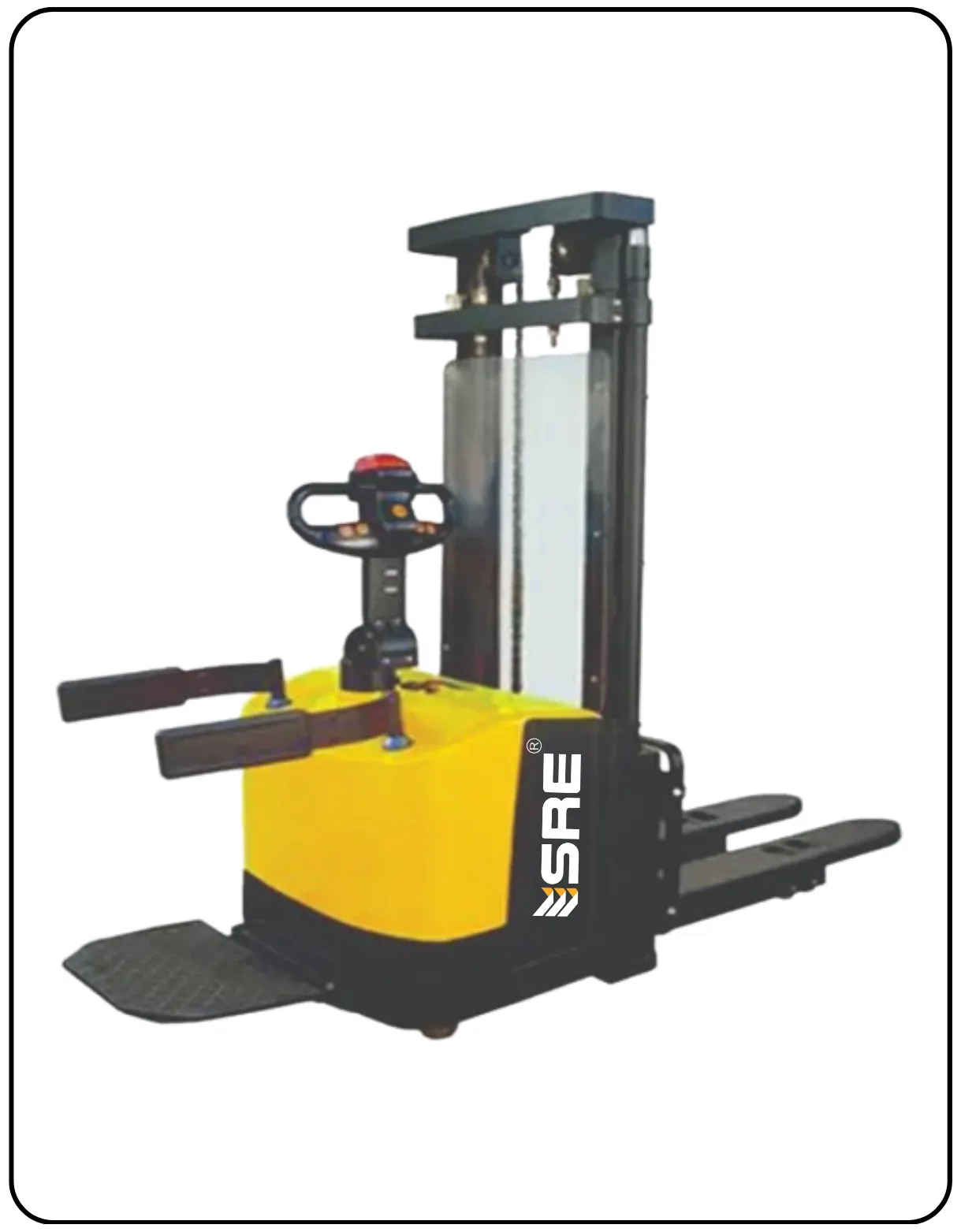
A: Both options exist, manual for simple lifts, semi-electric or electric for higher efficiency and reduced labor strain.
Q4: How high can a hydraulic stacker lift loads?
- A: Standard stackers lift 1.5–3 meters; specialized models reach up to 4–5 meters depending on rack requirements.
#HydraulicStacker #MaterialHandling #WarehouseEquipment #IndustrialEquipment #WarehouseEfficiency #LogisticsSolutions #LoadHandling #FactoryOperations #WarehouseSafety