Introduction: The Backbone of Industrial Lifting Operations
Every warehouse, factory, and industrial facility faces a core challenge: handling heavy loads safely, accurately, and efficiently. Whether it involves lifting machine components during maintenance, positioning materials on an assembly line, or managing loading and unloading operations in a logistics area, dependable lifting solutions are essential. This is why choosing a trusted Chain Block And Hoist Manufacturer and Supplier plays a crucial role in ensuring smooth and secure material handling operations.
For decades, the
Chain Block and Hoist has been the trusted solution for industrial lifting across manufacturing, construction, warehousing, and engineering environments. It is not a complicated piece of equipment: but when specified correctly and used properly, it is one of the most dependable
material handling tools available to an industrial operation.
SRE Material Handling Equipment Private Limited manufactures
Chain Blocks and Hoists built for real industrial conditions: not showroom demonstrations.
The Growing Demand for Reliable Industrial Lifting Equipment
Modern industrial operations are under constant pressure to improve throughput, reduce downtime, and maintain safety compliance. As facilities expand, machinery gets heavier, and production cycles get faster, the demand for dependable
heavy lifting equipment has grown significantly.
Manual lifting by workers is no longer acceptable: either from a safety standpoint or an efficiency one. Regulatory frameworks across industries increasingly mandate the use of
mechanical lifting devices for loads beyond defined weight limits. Operations that still rely on improvised lifting methods face higher incident rates, greater equipment damage risk, and growing compliance exposure.
What Is a Chain Block and Hoist?
A
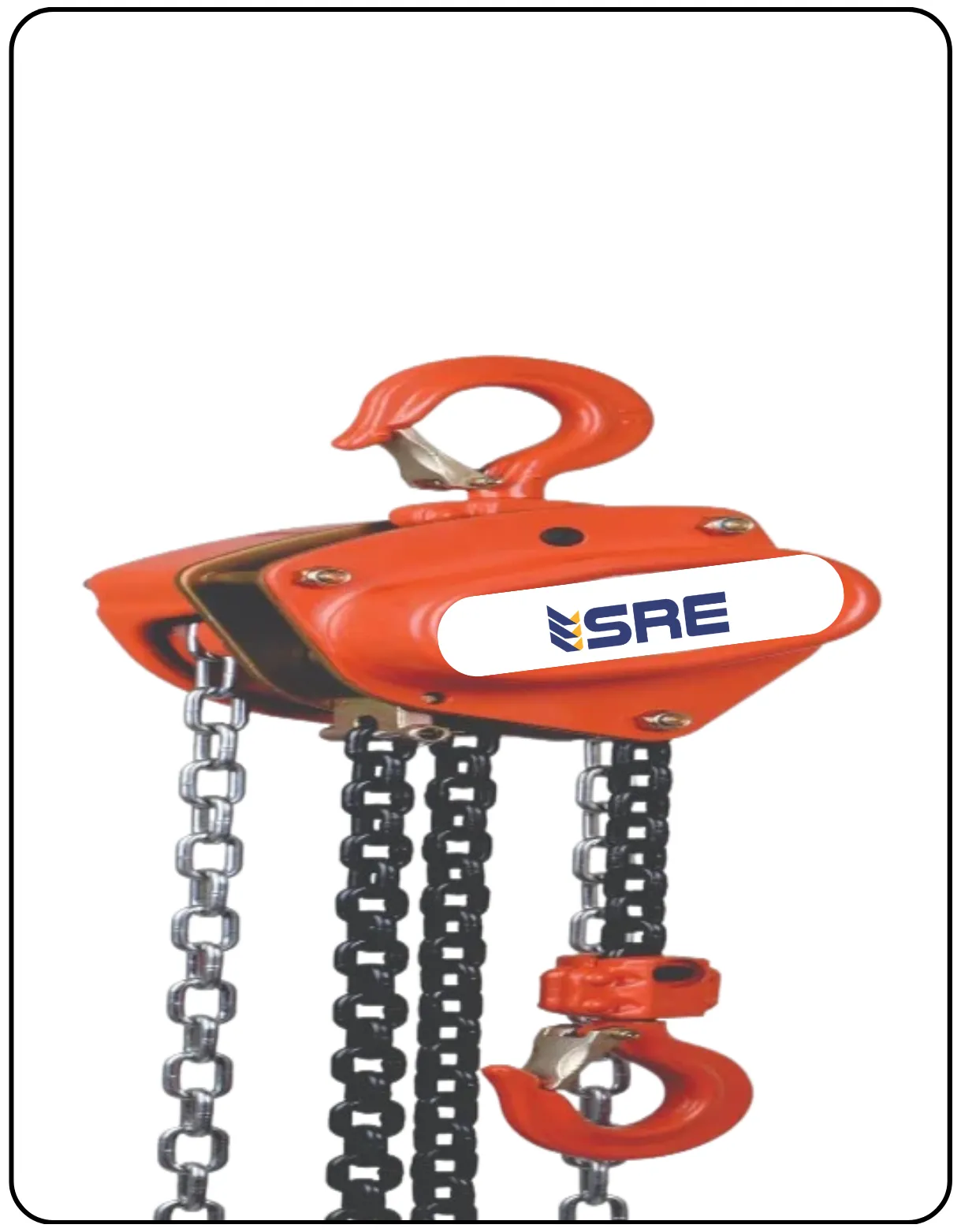
Chain Block And Hoist is a manually operated
lifting device that uses a system of gears and a
load chain to lift heavy objects with minimal operator effort. By pulling the hand chain, the operator drives the internal gear mechanism, which in turn lifts the
load chain and the attached load: smoothly and in a controlled manner.
A
Hoist refers broadly to any
mechanical lifting device: manual or powered: used to raise and lower loads.
Chain Hoists specifically use chain as the lifting medium and are available in
manual chain hoist,
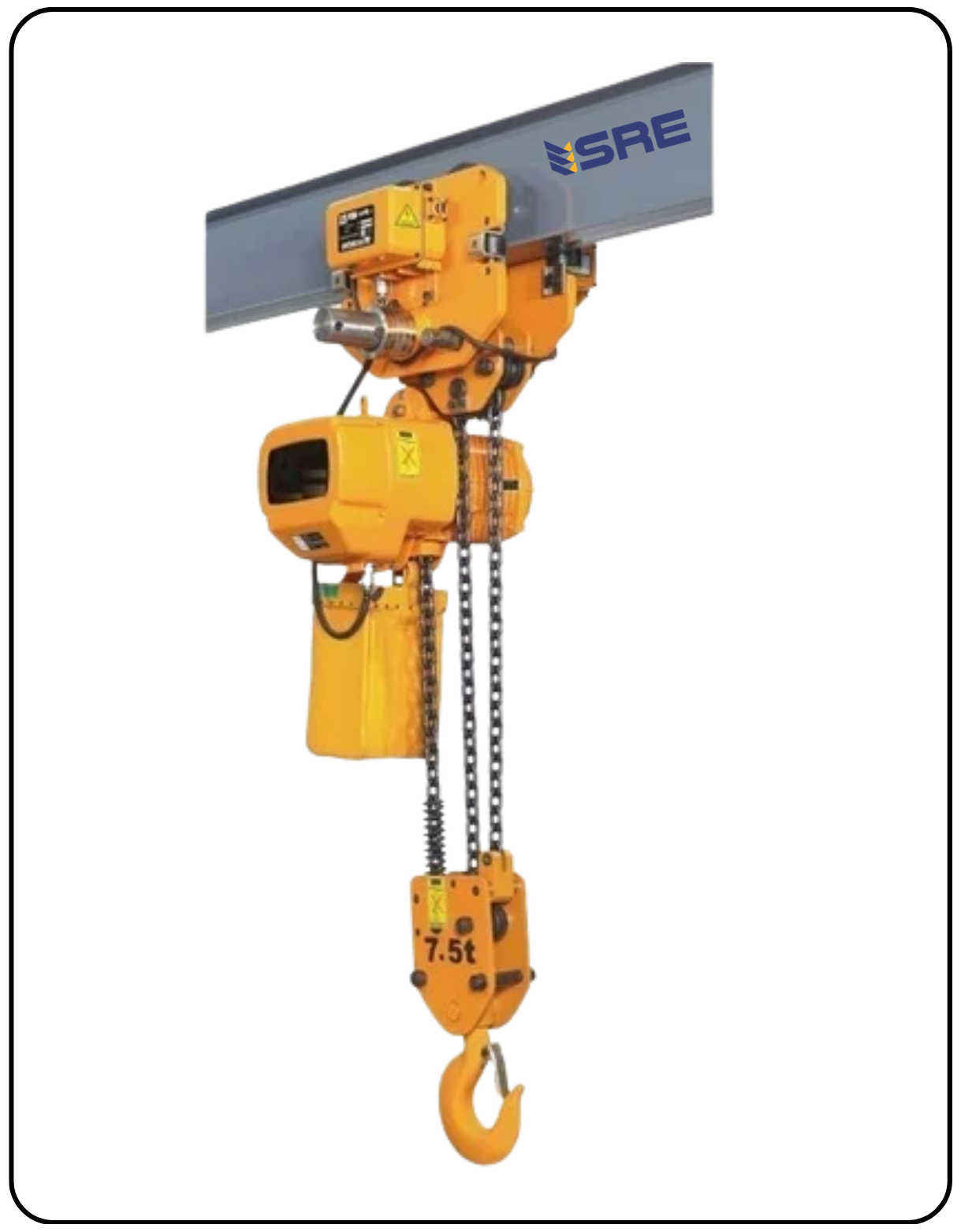
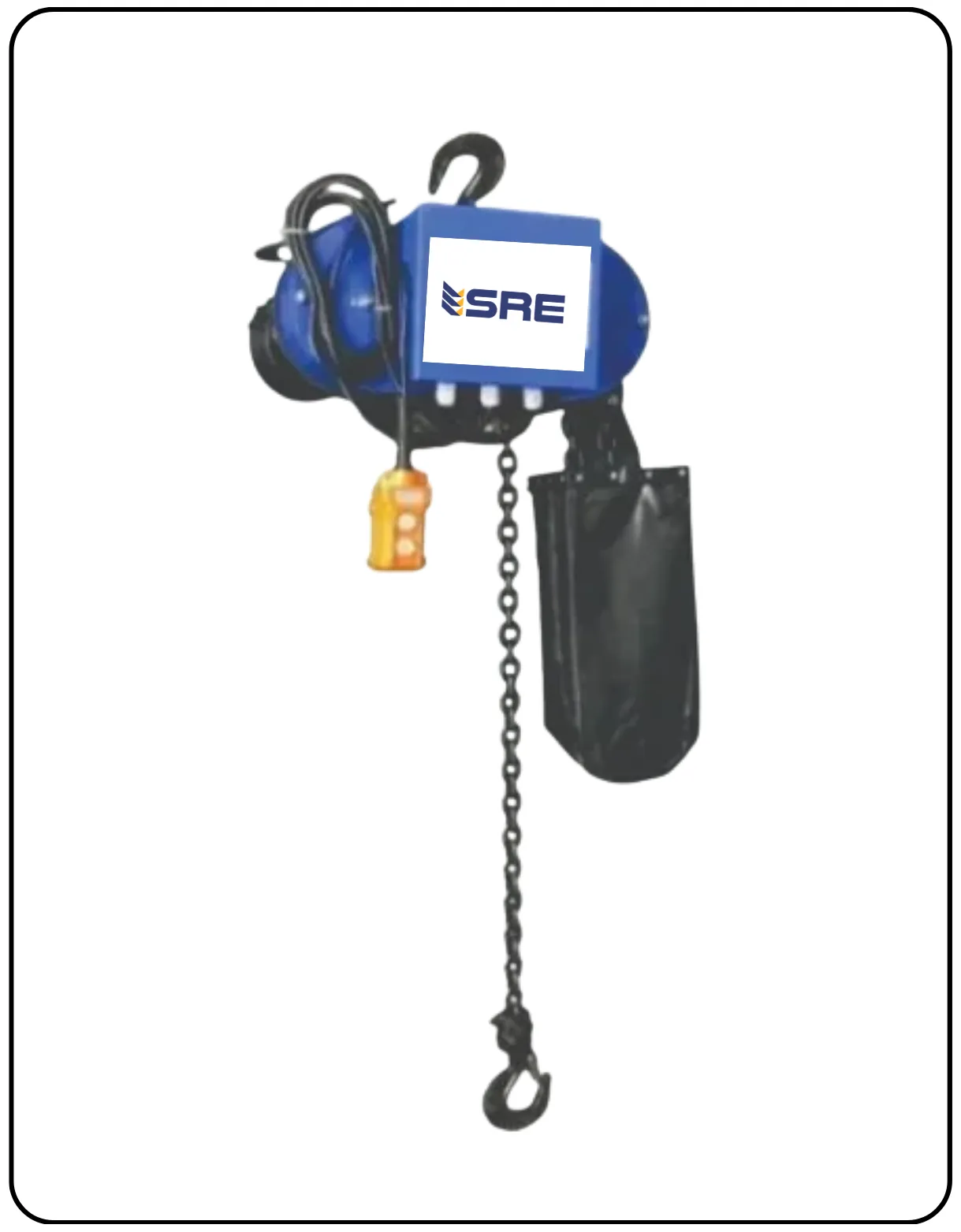
electric chain hoist, and
pneumatic hoist variants depending on the application.
Why Chain Blocks and Hoists Are Essential in Industrial Operations
In facilities where heavy loads need to be lifted, positioned, or suspended regularly, a
Chain Block and Hoist delivers advantages that no manual method can match:
- Mechanical Advantage: The internal gear system allows one operator to lift loads many times their own body weight safely and with control
- Precise Load Positioning: Unlike crane systems, a chain hoist allows slow, incremental load movement: critical for machinery installation and alignment tasks
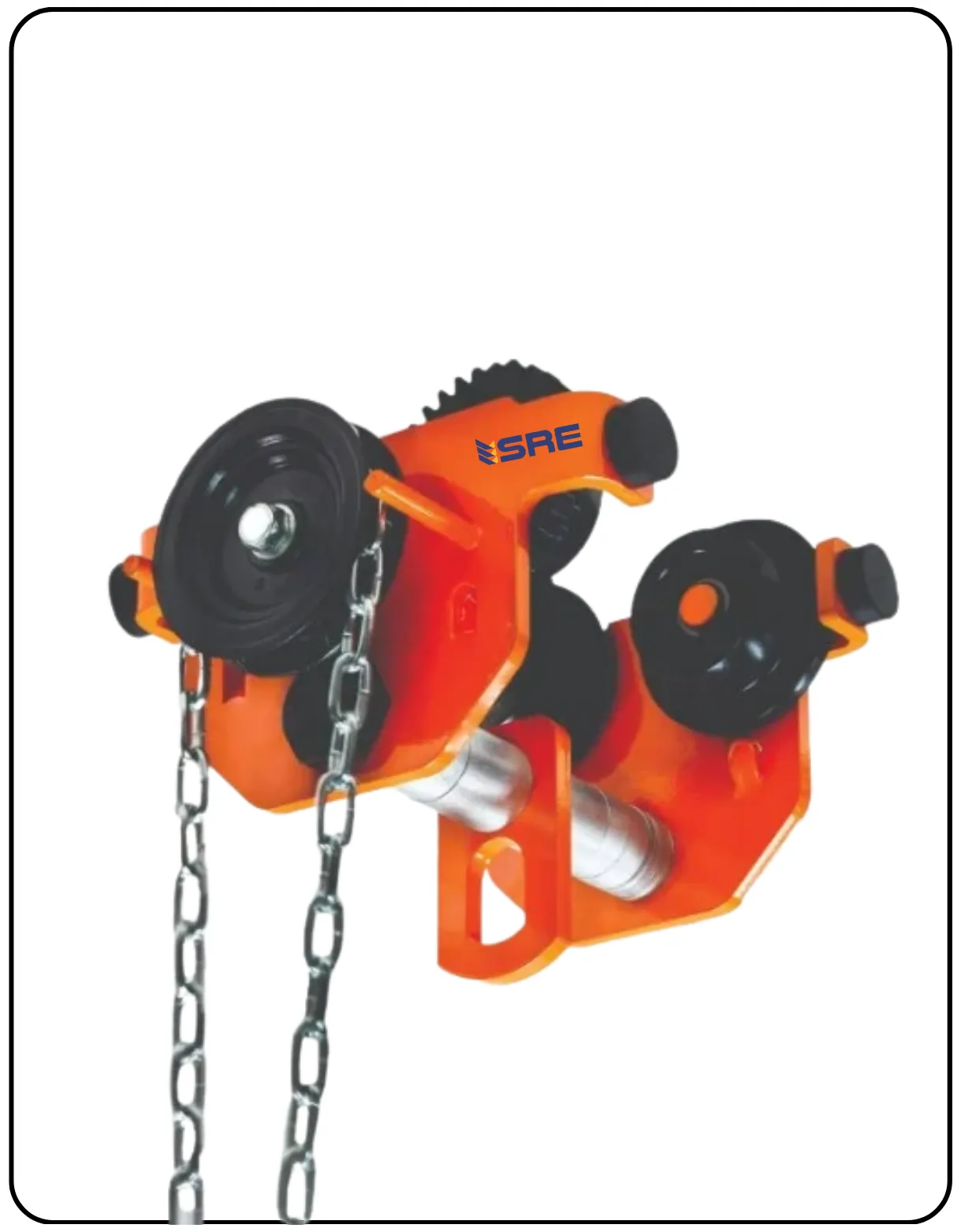
- Compact and Portable: Manual chain blocks can be hung from overhead beams, gantry frames, or trolley systems: repositioned as the job demands
- Low Maintenance: Fewer moving parts mean fewer failure points and more predictable maintenance schedules
- Wide Load Range: Available from 0.5 tonne to 20 tonne capacity, covering the vast majority of industrial lifting requirements
Product Description: SRE Chain Block and Hoist
SRE Material Handling Equipment Private Limited manufactures
Chain Blocks and Hoists across a wide capacity range for
industrial,
warehouse, and
construction applications.
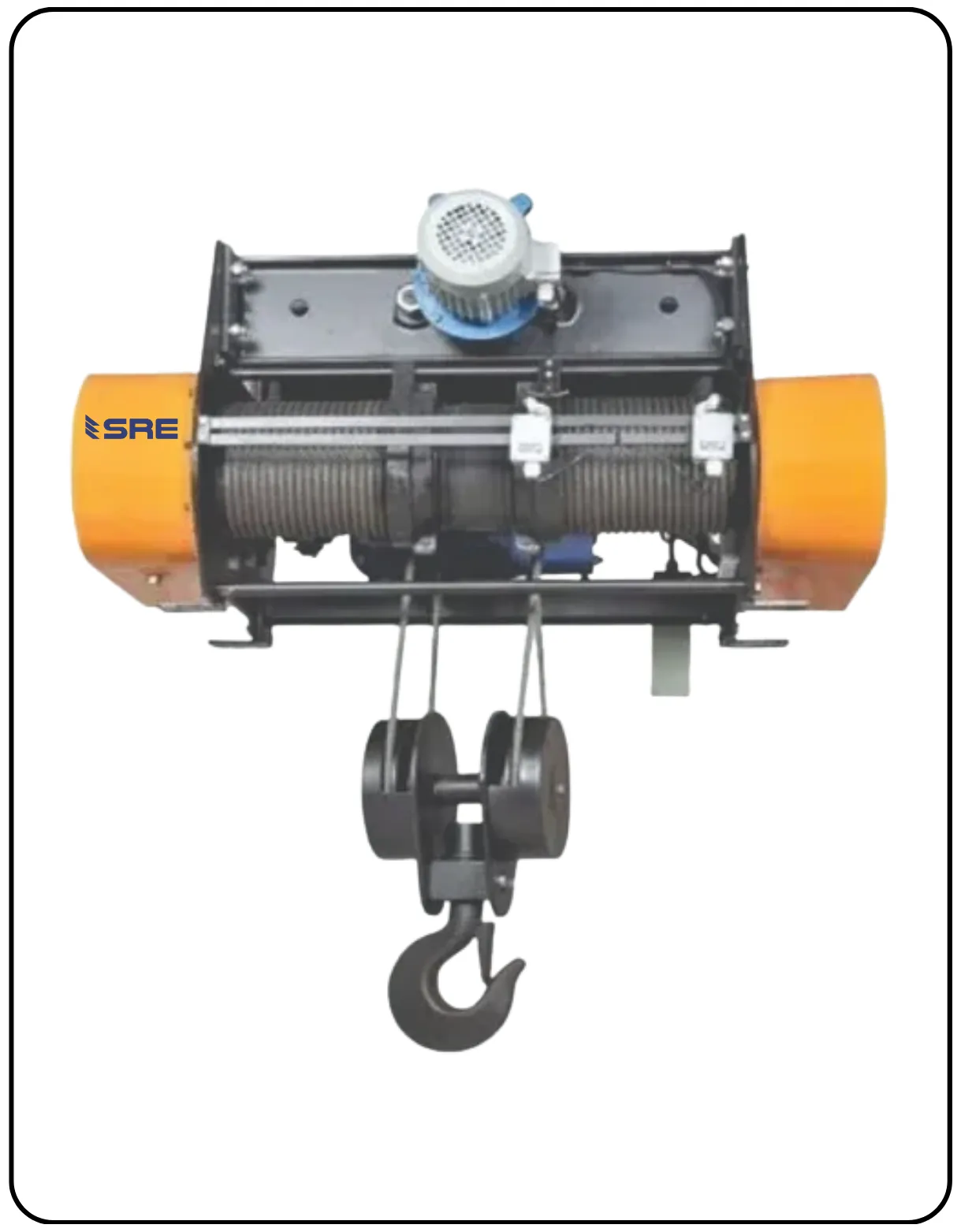
- ▸ Manual Chain Block: 1 Tonne Capacity The 1 tonne manual chain block is the most widely used lifting device in industrial environments. Built with alloy steel load chains, hardened gear components, and a self-locking brake mechanism that holds the load securely without operator effort. Ideal for routine warehouse lifting, machinery positioning, and maintenance tasks where a reliable 1 ton chain block is needed daily.
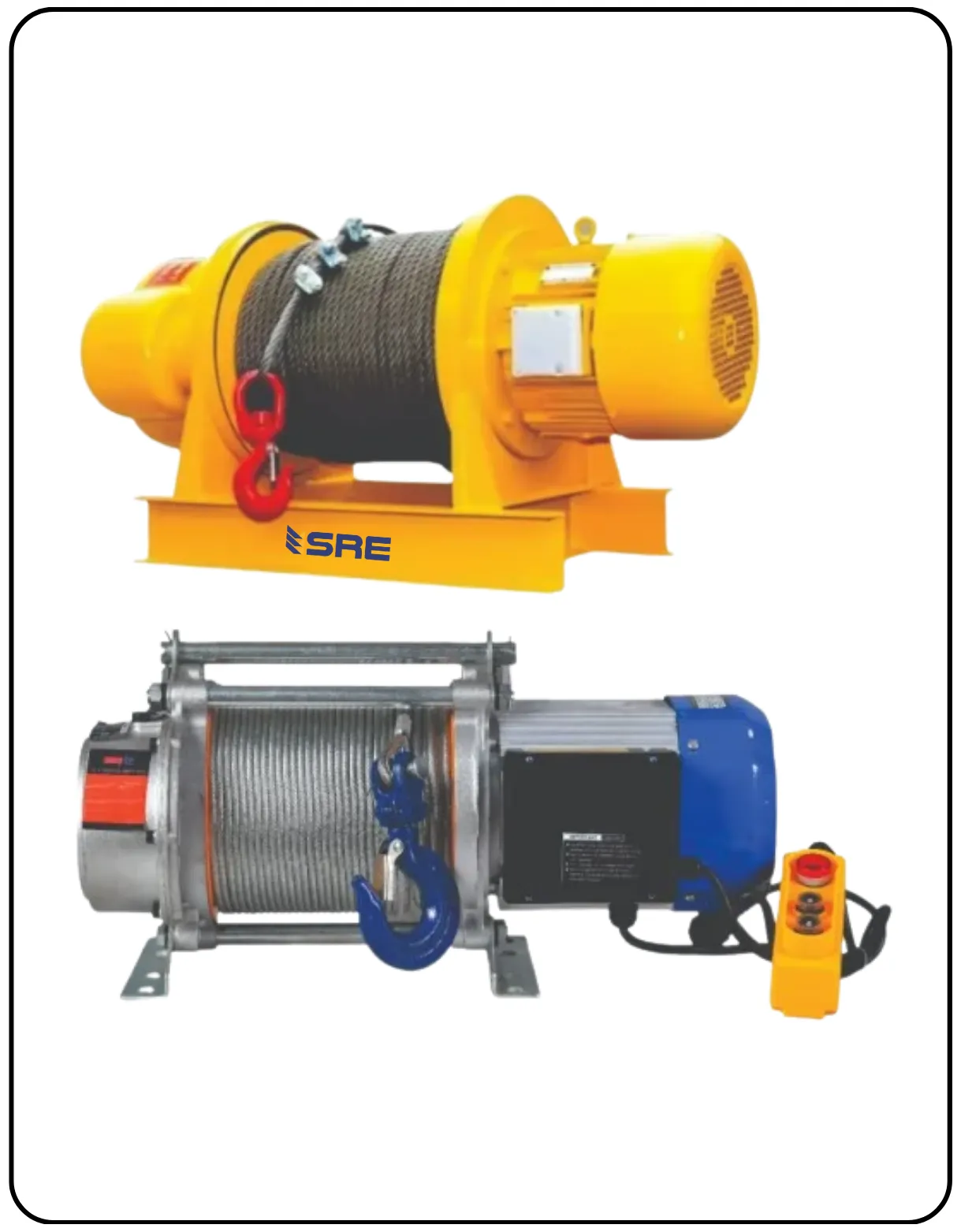
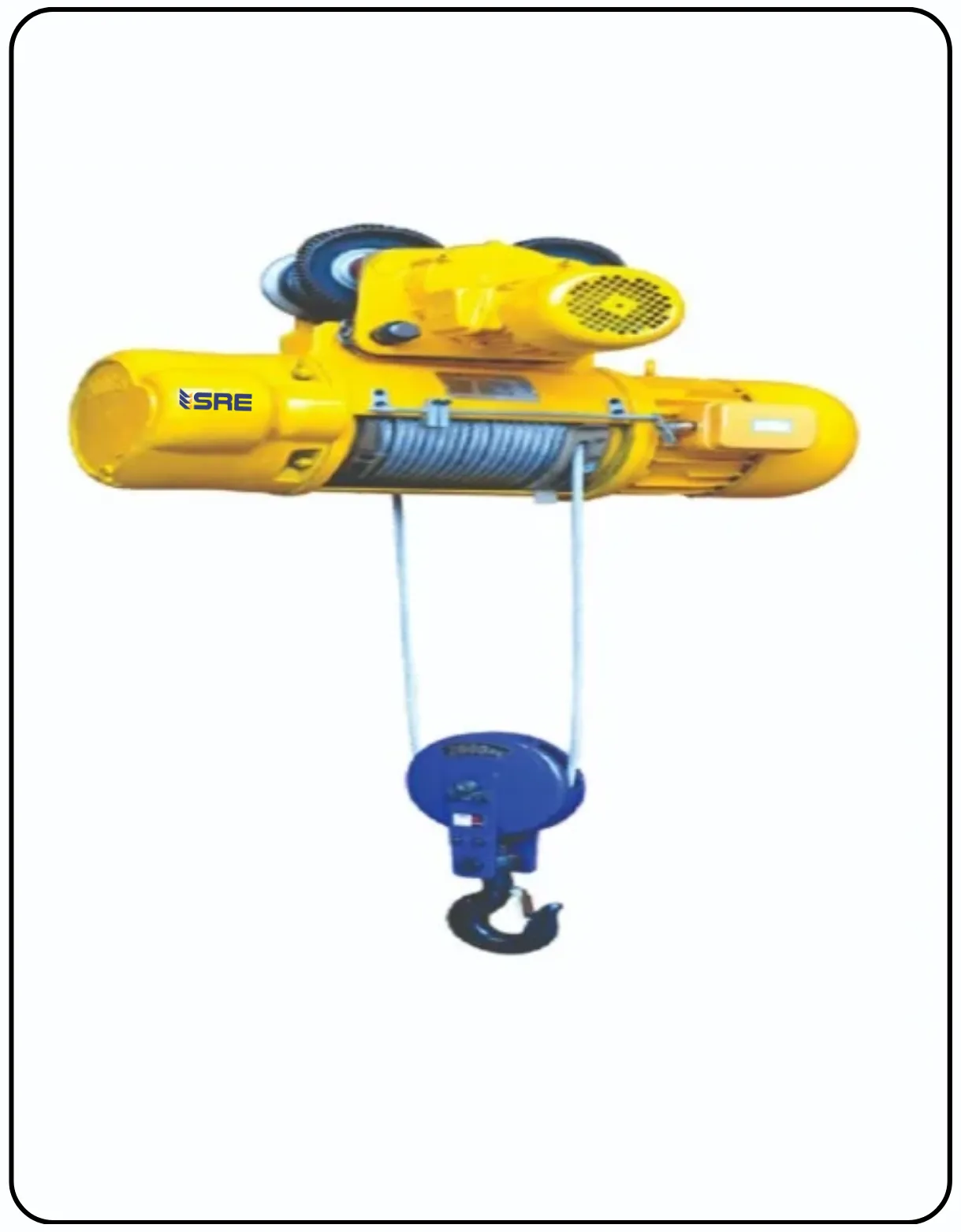
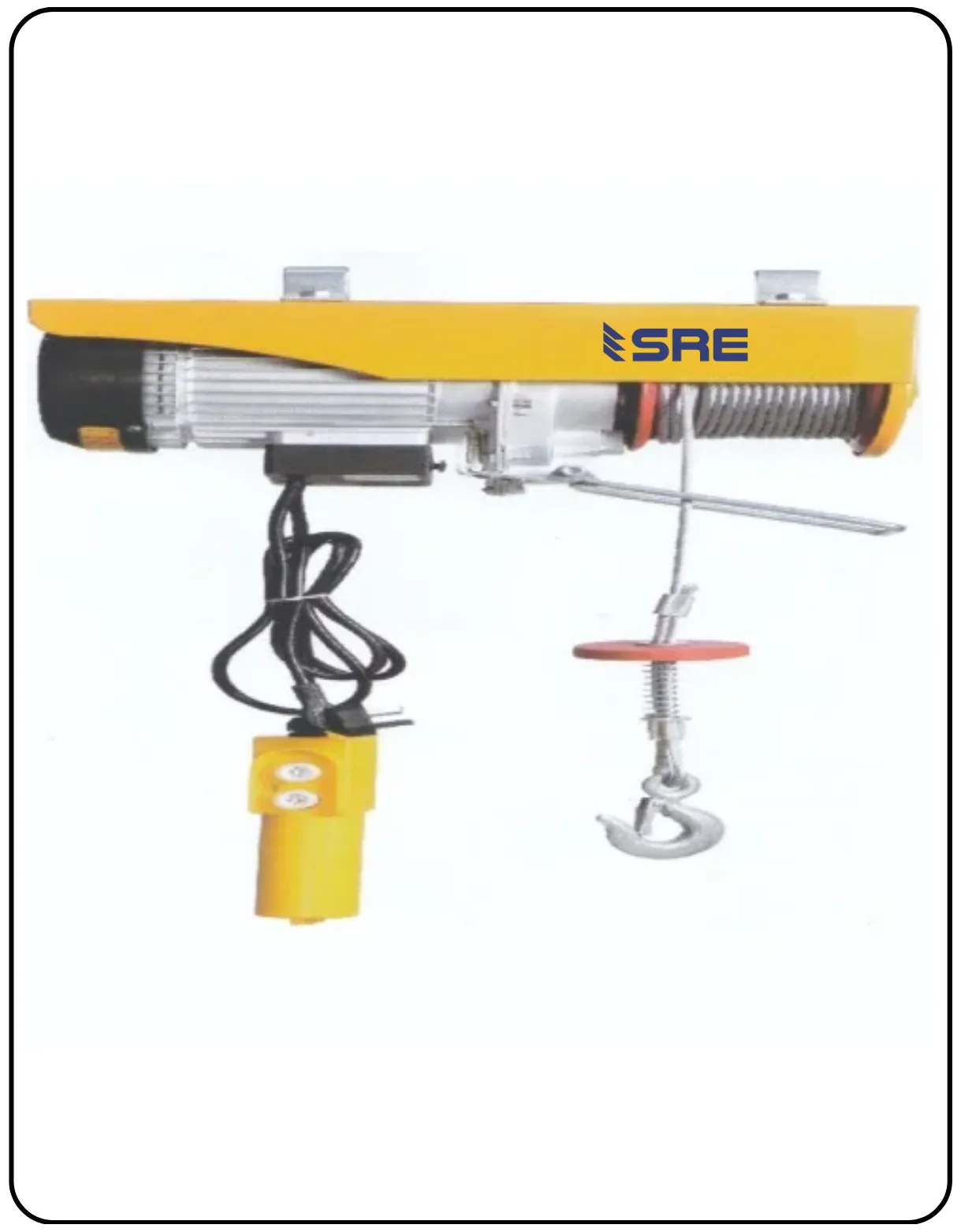
- ▸ Electric Chain Hoist: 1 Tonne Capacity The 1 tonne electric chain hoist is designed for high-frequency lifting operations where speed and operator fatigue reduction are priorities. Powered by a single or three-phase motor, it delivers consistent lift speed and load control across extended shifts. Suitable for production lines, assembly stations, and logistics facilities with regular 1 ton heavy lifting requirements.
- ▸ Lever Hoist (Lever Block): 1 Tonne Capacity The 1 tonne lever hoist operates through a ratchet-and-pawl mechanism driven by a hand lever. Unlike a standard chain block, it can lift, pull, and tension loads horizontally: making it highly versatile for rigging, load securing, and equipment alignment tasks where a compact 1 ton lifting solution is needed.
- ▸ Customised Configurations For facilities requiring specific lift heights, suspension arrangements, corrosion-resistant finishes for chemical or cold storage environments, or explosion-proof variants for hazardous locations, SRE offers engineered-to-order solutions.
Technology & Operational Efficiency
Manual Chain Block Technology: The core of a
manual chain block is its
gear reduction system: typically a combination of spur and worm gears: that converts low hand-chain force into high lifting capacity. The
self-locking load brake engages automatically when hand chain tension is released, holding the load in position without any operator effort. This is a critical
safety feature in industrial lifting.
Electric Chain Hoist Technology: Electric hoists use a motor-driven
drum or sprocket to raise and lower the
load chain at controlled speeds. Modern units include
upper and lower limit switches to prevent over-travel,
thermal overload protection for the motor, and
variable speed control on higher-specification models. These features reduce operator error and protect both the load and the equipment.
Cost Efficiency Over Time
A
Chain Block and Hoist is one of the most cost-effective
lifting solutions available for industrial operations. The upfront cost is significantly lower than overhead crane systems, installation is simple, and the ongoing
maintenance cost is minimal.
More importantly, the indirect savings are substantial:
- Reduced manual handling injuries: back injuries and strain incidents are among the most common and costly in industrial environments
- Faster load movement: mechanical lifting is faster and more controlled than manual methods
- Lower equipment damage: controlled lifting reduces the risk of load drops that damage both materials and floor infrastructure
- Extended machinery life: precise load positioning during installation and maintenance reduces stress on sensitive components
For
procurement teams and
operations managers, the return on a properly specified
chain hoist is rapid and measurable.
Key Features: SRE Chain Block and Hoist
- Load Capacity: 1 Tonne across manual chain block, electric hoist, and lever hoist variants
- Alloy Steel Load Chain: High-strength, heat-treated for maximum load safety
- Self-Locking Brake: Automatically holds load: no operator input required
- 360° Rotating Hook: Top and bottom hooks rotate freely for easy load alignment
- Compact and Lightweight Body: Minimises dead weight while maximising lifting capacity
Applications of Chain Blocks and Hoists
In Warehouses & Logistics:
- Pallet and cargo lifting at loading docks
- Overhead storage access and retrieval
- Container loading and unloading operations
- Equipment relocation within the facility
In Manufacturing & Assembly:
- Machinery installation and removal during maintenance shutdowns
- Component positioning on assembly lines
- Die and mould handling in press shops
- Engine and gearbox lifting in automotive plants
In Construction & Infrastructure:
- Structural steel positioning during building erection
- Precast concrete element lifting and placement
- HVAC and MEP equipment hoisting to installation level
- Formwork and shuttering lifting operations
Training, Ease of Use & Maintenance
The
manual chain block requires minimal operator training. Any worker familiar with basic
industrial safety practices can be operational within a short induction period. The operation is straightforward: pull the hand chain to lift, reverse chain direction to lower, and the
self-locking brake holds the load securely at any point.
Routine maintenance involves
load chain lubrication,
hook and swivel inspection,
gear housing checks, and periodic
brake adjustment verification. Most maintenance is manageable in-house.
SRE Material Handling Equipment Private Limited provides complete
maintenance documentation and
service support with every unit supplied.
Why Choosing a Reliable Chain Hoist Manufacturer Matters
A
Chain Block and Hoist operates under significant mechanical stress: lifting heavy loads repeatedly, often in harsh
industrial environments. The quality of the
load chain, the precision of the
gear mechanism, and the reliability of the
brake system are not secondary details: they are the primary safety and performance factors.
A manufacturer with genuine
industrial engineering experience understands load dynamics, material fatigue, and the real conditions under which
hoisting equipment operates daily. Look for manufacturers who provide
load-tested units, clear
WLL (Working Load Limit) markings, accessible
spare parts, and responsive
after-sales service.
SRE Material Handling Equipment Private Limited brings this experience to every
chain block and hoist it manufactures: from material selection through to
final load testing before dispatch.
Conclusion
For
warehouse managers,
factory supervisors,
operations heads, and
procurement teams dealing with regular heavy lifting requirements, a properly specified
Chain Block and Hoist is one of the most practical and cost-effective investments in
industrial material handling.
It reduces manual handling risk, improves lifting speed, protects loads and equipment, and meets
industrial safety compliance requirements: all without the complexity and cost of overhead crane installation.
Contact SRE Material Handling Equipment Private Limited to discuss your facility’s
load capacity,
lift height,
frequency of use, and
environmental conditions: and get the right
chain hoist configuration for your actual operational needs.
Key Takeaways
- Productivity: Mechanical lifting with a chain block or hoist is faster, safer, and more consistent than manual load handling across all industrial environments
- Safety: Self-locking brakes, alloy steel load chains, and WLL-rated hooks provide the structural safety foundation required for industrial lifting compliance
- Load Handling: 1 Tonne capacity across manual chain block, electric chain hoist, and lever hoist variants: covering the most common industrial lifting requirement across warehouses and factories
- Cost Efficiency: Low purchase cost, minimal maintenance requirements, and significant reductions in manual handling injuries deliver rapid return on investment
- Industry Trend: Facilities across manufacturing, logistics, and construction are standardising on rated lifting equipment as manual handling regulations tighten across industrial sectors
Frequently Asked Questions (FAQs)
Q1: What is the difference between a Chain Block and a Chain Hoist?
- A Chain Block typically refers to a manually operated lifting device with a hand chain and gear mechanism. A Chain Hoist is the broader category that includes manual, electric, and pneumatic variants. In practice, both terms are used interchangeably in industrial settings.
Q2: What capacity Chain Block do I need for my facility?
- Capacity selection depends on the maximum load weight you need to lift: always select a chain block rated above your heaviest load, with an appropriate safety factor. SRE’s team can assist with capacity selection based on your actual lifting requirements.
Q3: Can a Chain Block be used outdoors?
Q4: How often does a Chain Block need to be serviced?
- Routine maintenance intervals depend on usage frequency. For daily industrial use, a monthly load chain lubrication and quarterly full inspection is a standard schedule. SRE Material Handling Equipment Private Limited provides complete maintenance schedules with every unit.
Q5: Is an Electric Chain Hoist better than a Manual Chain Block?
- It depends on usage frequency and facility infrastructure. For high-cycle production environments, an electric chain hoist reduces operator fatigue and improves speed. For low-frequency lifting or locations without reliable power, a manual chain block is more practical and easier to maintain.
#
ChainBlock #
ChainHoist #
ChainBlockAndHoist #
IndustrialLiftingEquipment #
MaterialHandling #
HeavyLifting #
ManualChainHoist #
ElectricChainHoist #
LeverHoist #
WarehouseSafety #
FactoryEquipment #
LiftingEquipment