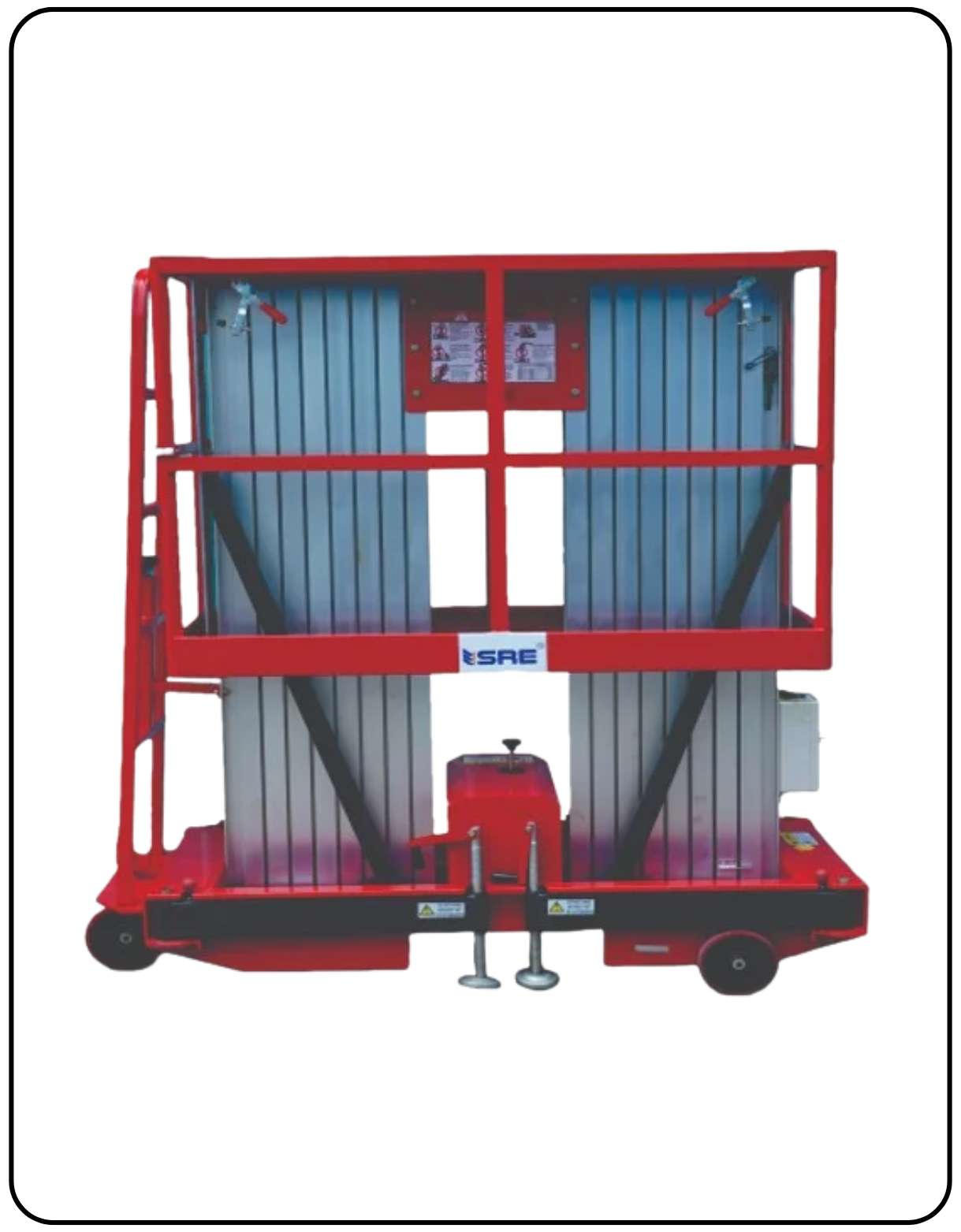
SRE Material Handling Equipment Pvt. Ltd.: Manufacturer, Supplier, And Exporter Of Dock Levelers in India.
SRE Material Handling Equipment Pvt. Ltd., Manufacturer And Supplier Of Dock Leveler in Mumbai.
Our Manufacturing Unit is in Ahmedabad, Vadodara, and Rajkot, Gujarat, India.
Dock Leveler in Mumbai: A Practical Solution for Modern Warehouse Efficiency
In routine warehouse activities throughout Mumbai, speed and precision are now essential requirements. Distribution centers, production sites, and logistics hubs are processing greater quantities of shipments than ever before. The rise of online shopping, just-in-time production methods, and stricter delivery deadlines has transformed how goods enter and exit facilities.
Loading bays, once seen as a secondary piece of infrastructure, are now crucial control points. When lorries wait externally, and internal teams await clearance, even minor hold-ups trigger a chain reaction affecting dispatch plans, staffing arrangements, and customer promises.
The Evolving Requirements of Contemporary Warehouses and Industries
Warehouses in Mumbai face distinct challenges. Limited available land often results in compact facilities. City traffic impacts when trucks can arrive. Labor expenses continue to climb. Simultaneously, shipment volumes keep expanding.
In actual day-to-day work, the difficulties are evident:
- Trucks arrive at differing elevations.
- Floor heights seldom perfectly match vehicle platforms.
- Basic wooden boards or improvised inclines are still utilized in some locations.
- Personnel experience weariness while manually squaring up loads.
- Forklifts encounter instability when traversing uneven gaps.
Over the long term, these minor inefficiencies accumulate. Stoppages during loading or unloading can slow down entire supply chains. Internal logistics personnel strive to maintain a steady output across different working periods.
What Constitutes a Dock Leveler?
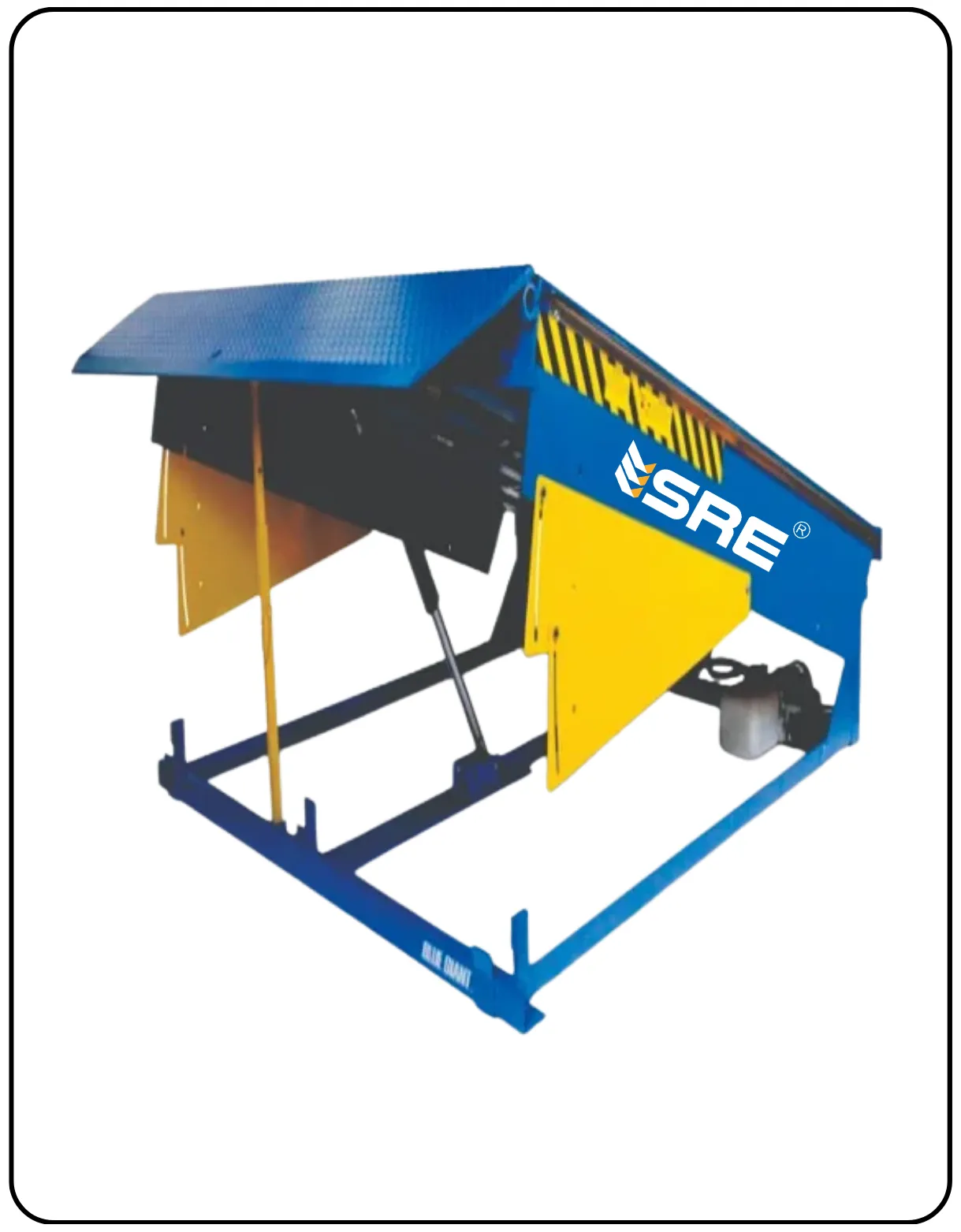
Within the industry, a Dock Leveler is a mechanical or hydraulic platform fitted at a loading bay. It closes the elevation disparity between a warehouse floor and the bed of a truck.
Rather than depending on manual adjustments or temporary inclines, the leveler establishes a steady, adaptable surface. Forklifts, pallet movers, and carts can transition smoothly from inside the warehouse to the vehicle.
It is not a complicated piece of hardware. It is a useful dockside instrument intended to improve the steadiness of workflow. Whether it operates mechanically, hydraulically, or electro-hydraulically, the objective remains the same: safe and efficient movement of items.
Rationale for Dock Levelers Superseding Conventional Manual Approaches
In many older setups, loading tasks relied on:
- Metal plates
- Timber planks
- Manual height modifications
- Labor-intensive positioning of ramps
These techniques demand physical exertion and constant oversight. They also introduce inconsistency. One work shift might be managed securely, while another deals with instability or poor alignment.
Increases in Efficiency in Everyday Activities
In settings with high volumes, even a five-minute hold-up per vehicle has an impact.
A correctly installed Dock Leveler enhances:
- Quicker vehicle turnaround duration
- Fluid forklift navigation
- Diminished effort needed for readjustment
- Uniform output across shifts
In practical terms, loading becomes predictable. Operators cease pausing to adjust inclines. Supervisors rarely need to step in. Forklift drivers can keep up their pace and momentum.
Better Workplace Protection
Safety at loading docks is frequently underestimated. Nonetheless, this area accounts for a noteworthy percentage of warehouse accidents.
Frequent dangers involve:
- Forklift tipping due to uneven ground
- Slips or falls while setting up manual ramps
- Abrupt movement of unsecured plates
- Muscle strain from lifting heavy gear
A Dock Leveler furnishes a solid, engineered surface. Regulated lifting mechanisms lessen abrupt drops. Safety extensions prevent unintended roll-offs. Surfaces with appropriate grip improve traction.
Based on experience in industrial settings, solidity at transition points yields a major difference. Forklift operators feel more secure when crossing from the Platform Trolley And Pallet Truck warehouse to the truck. Reduced shaking and lack of alignment minimize item shifting.
Effortless Handling of Heavier Shipments
Modern warehouses in Mumbai are dealing with more than just light boxes now. Machine components, industrial supplies, large pallets of fast-moving consumer goods, and automotive elements require sturdy load management.
As pallet mass increases, makeshift inclines become unreliable. Maintaining stability becomes crucial.
Dock Levelers are engineered to support substantial dynamic weights. They preserve their structural soundness even with repeated forklift movements.
When heavier freight is involved, precise alignment between the dock and the vehicle averts sudden jolts or load imbalance. This protects both the merchandise and the machinery.
The trend towards greater storage capacity and bulk transport makes updating dock equipment a necessity rather than an option.
Technology and Operational Effectiveness
Depending on specific operational demands, Dock Levelers can be:
- Mechanical (spring-powered)
- Hydraulic
- Electro-hydraulic
Hydraulic assemblies provide smoother lifting and managed lowering. They lessen the physical burden on operators and maintain consistent movement cycles.
Space Efficiency and Movement
Facilities in locations like Mumbai frequently encounter restricted workspace. Dock design necessitates harmonization with the existing building layout.
Dock Levelers typically feature either pit-mounted or edge-of-dock configurations. Both offer a footprint that integrates neatly into established dock structures.
Their permanent mounting eliminates the mess associated with portable ramps or loose metal plates. This enhances the ease of movement around the unloading zones.
Lift trucks can approach the dock squarely without the need for evasive travel patterns. Well-organized loading spots aid in smoother traffic management within the facility.
Value Over Time
When sourcing equipment, purchasing departments often prioritize the upfront expense. Nevertheless, loading dock systems should be evaluated from a sustained performance perspective.
Long-term value accrues from:
- Decreased strain on personnel
- Lower instances of workplace accidents
- Minimized equipment damage
- Quicker vehicle exit times
- Fewer interruptions to operations
In practical application, the cost of a single incident or lift truck repair frequently surpasses the expenditure on preventative infrastructure upgrades.
Environmental Responsibility and Regulations
Contemporary industrial activities place increasing emphasis on adherence to standards and ecological considerations.
Correct dock mating lessens energy waste from unsealed door openings. Certain setups complement dock seals to sustain internal climate regulation.
Secure loading apparatus simultaneously complies with occupational safety mandates. Formal reviews and inspections commonly scrutinize dock safety protocols.
Adopting a standardized dock apparatus signals a commitment to regulatory compliance, a factor of rising importance in supply chain alliances.
Alignment with Warehouse Processes
A Dock Leveler functions as part of a larger system. It interfaces with:
- Forklift procedures
- Inventory tracking systems (via process integration)
- Shipment scheduling
- Material movement cycles
When dock transitions are seamless, internal material transit becomes more predictable.
Managers can achieve superior planning for staffing needs. Vehicles spend a reduced amount of time waiting. Internal teams can sustain the pace of work.
User Friendliness and Servicing
A key benefit of contemporary Dock Levelers is their straightforward nature.
Users generally need only basic familiarization:
- Understanding control actions
- Performing basic security checks
- Executing routine visual assessments
Maintenance requirements are generally straightforward. Hydraulic units require periodic checks of their fluid levels. Mechanical types require inspection of their springs and pivot points.
The Importance of a Reputable Supplier
Dock machinery endures substantial weight and repeated stress. Structural integrity, weld quality, and material gauge are highly important attributes.
A trusted supplier guarantees:
- Designs capable of handling tested loads
- Conformance to safety benchmarks
- Ready access to replacement components
- After-sale technical assistance
In industrial procurement circles, selecting the lowest bid rarely yields the best long-term outcome. Reliability, speed of service response, and technical backing dictate ongoing operational stability.
Entities such as SRE MATERIAL HANDLING EQUIPMENT PRIVATE LIMITED operate in this sector, contributing to bolstering dock infrastructure across industrial sites.
Summary
Loading docks have evolved beyond secondary utility structures. They function as critical operational nodes impacting safety, velocity, and output. A Dock Leveler establishes a consistent connection between the warehouse floor and the truck deck. It lessens manual exertion, enhances safety, and supports heavier freight reliably.
In fast-paced logistics environments like Mumbai, organized dock setups help uphold disciplined workflow. For asset owners, plant leadership, and procurement specialists, putting capital into dependable dock systems is a sound operational decision—not merely an aesthetic enhancement.
Main Takeaways
- Productivity: Faster trailer cycle times and steady output per shift
- Safety: Diminished risk of injury and improved stability for forklifts
- Weight Capacity: Securely manages the movement of heavier palletized goods
- Financial Benefit: Long-term operational savings resulting from reduced downtime
- Market Shift: Current warehouses are upgrading dock hardware to support structured procedures
Trending FAQs
1. How do I choose the right Dock Leveler capacity for my warehouse?
- Evaluate the maximum forklift weight plus the load weight combined. Always select a capacity with a safe operational margin.
2. Are hydraulic Dock Levelers better than mechanical ones?
- Hydraulic systems offer smoother operation and reduced manual effort. Mechanical models may suit lower-frequency usage.
3. How often should Dock Levelers be maintained?
- Routine inspection is recommended monthly, with detailed servicing as per manufacturer guidelines.
4. Can Dock Levelers be installed in existing warehouses?
- Yes, both pit-mounted and edge-of-dock models can be integrated into existing dock structures with proper assessment.
5. Do Dock Levelers improve loading speed significantly?
- They reduce transition delays and improve workflow consistency, especially in high-volume operations.
#DockLeveler #MumbaiWarehousing #IndustrialSafety #MaterialHandling #WarehouseEfficiency #LogisticsIndia #LoadingDockSolutions #SupplyChainOperations #SREMATERIALEQUIPMENTPRIVATE LIMITED #IndustrialInfrastructure