
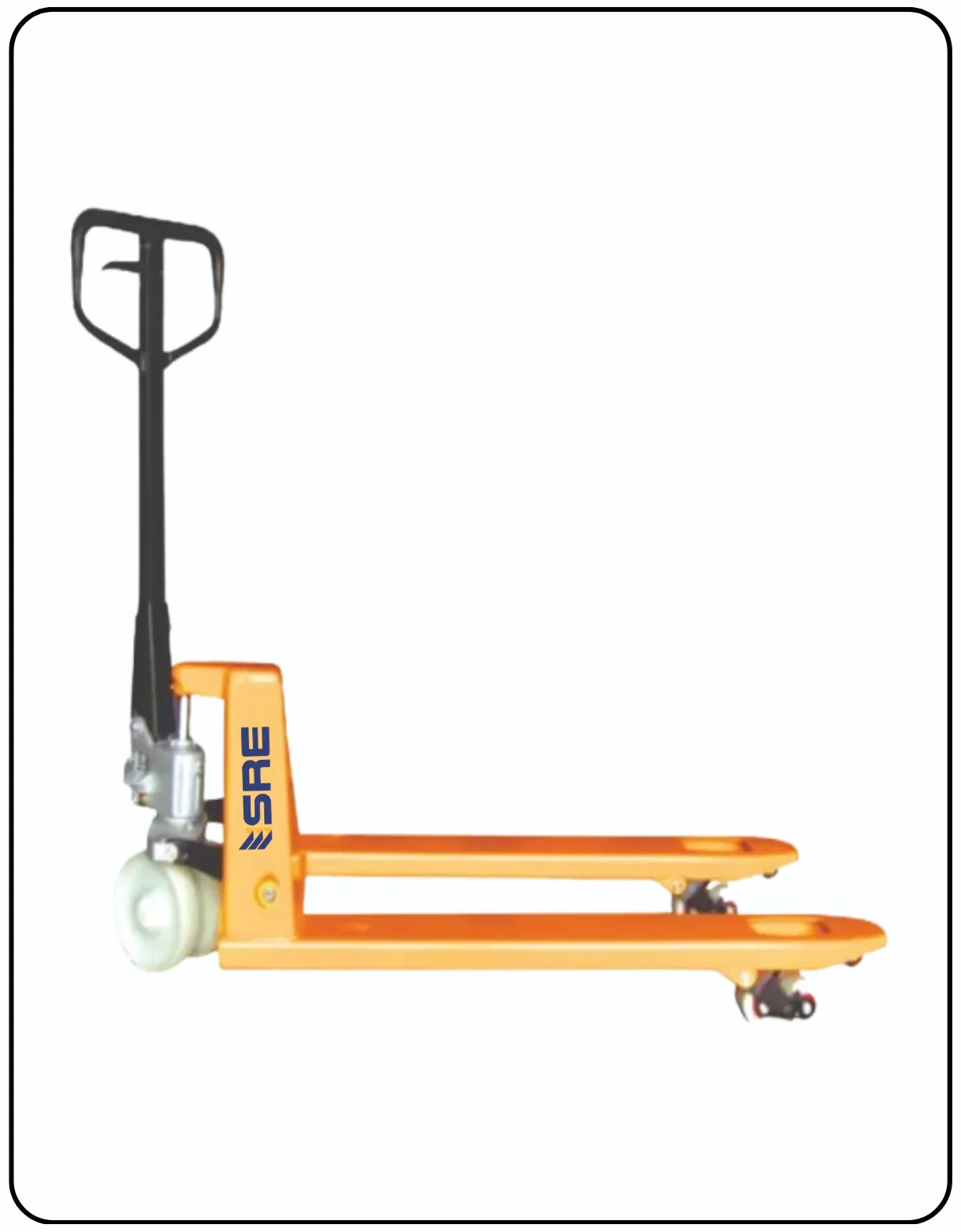
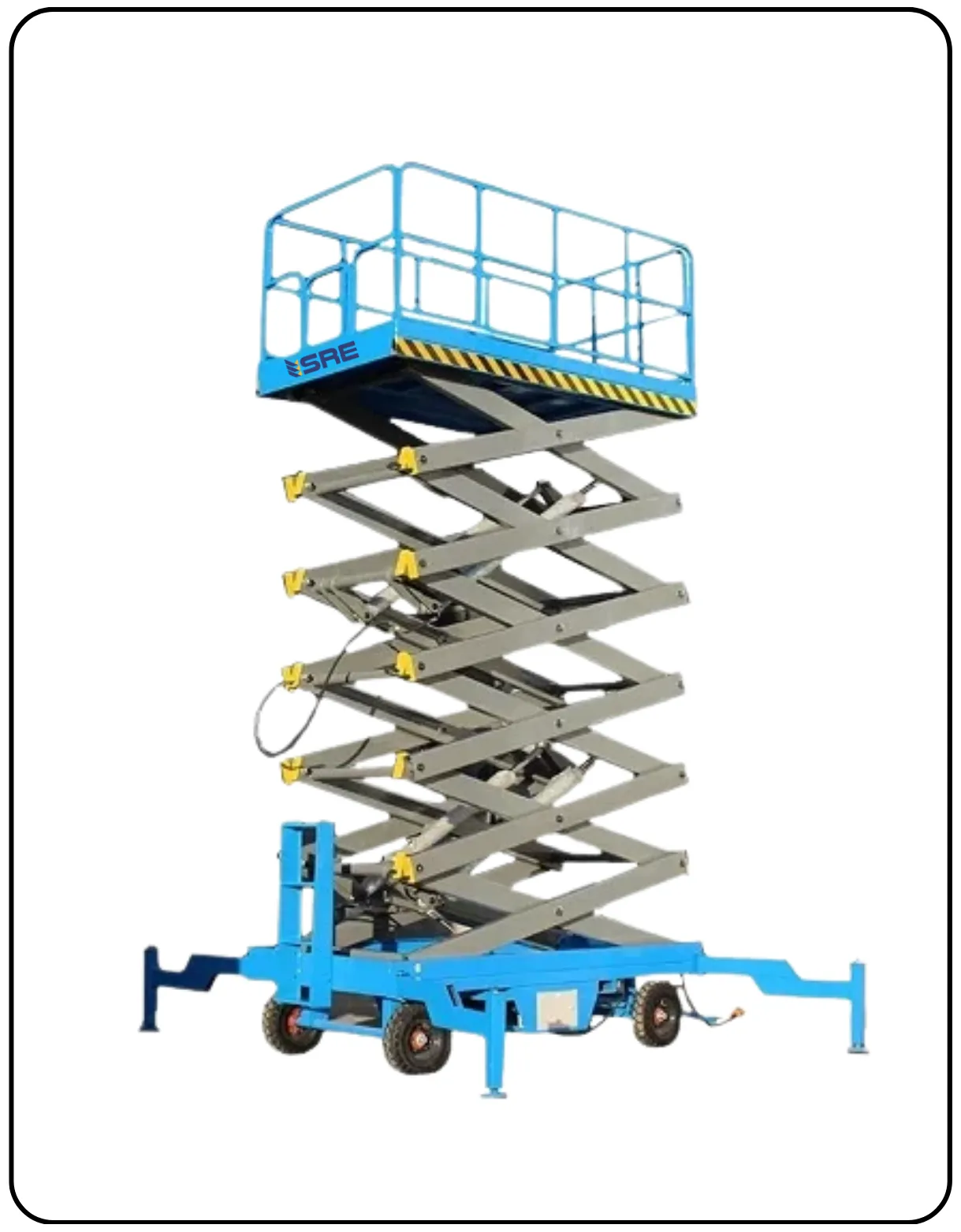
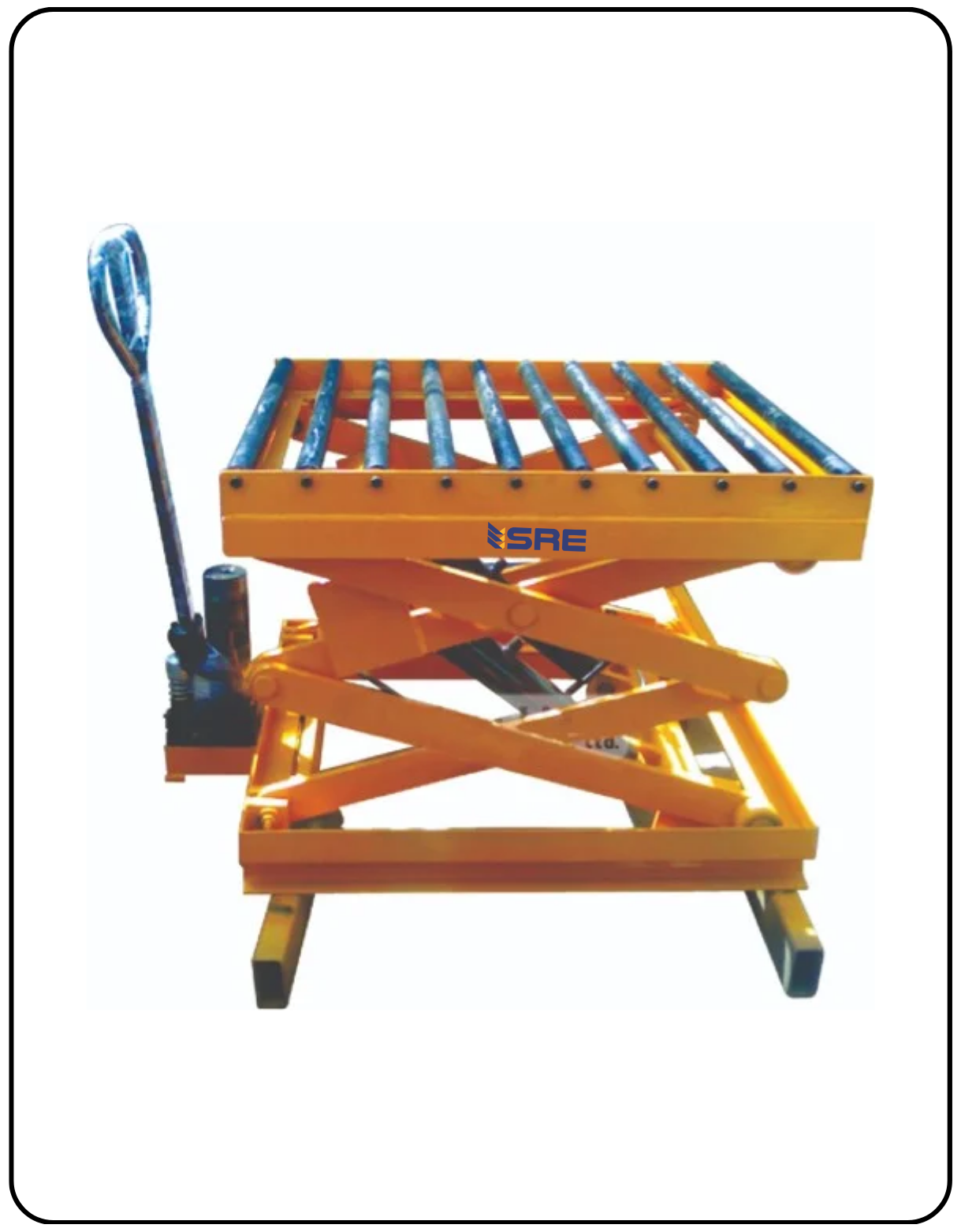
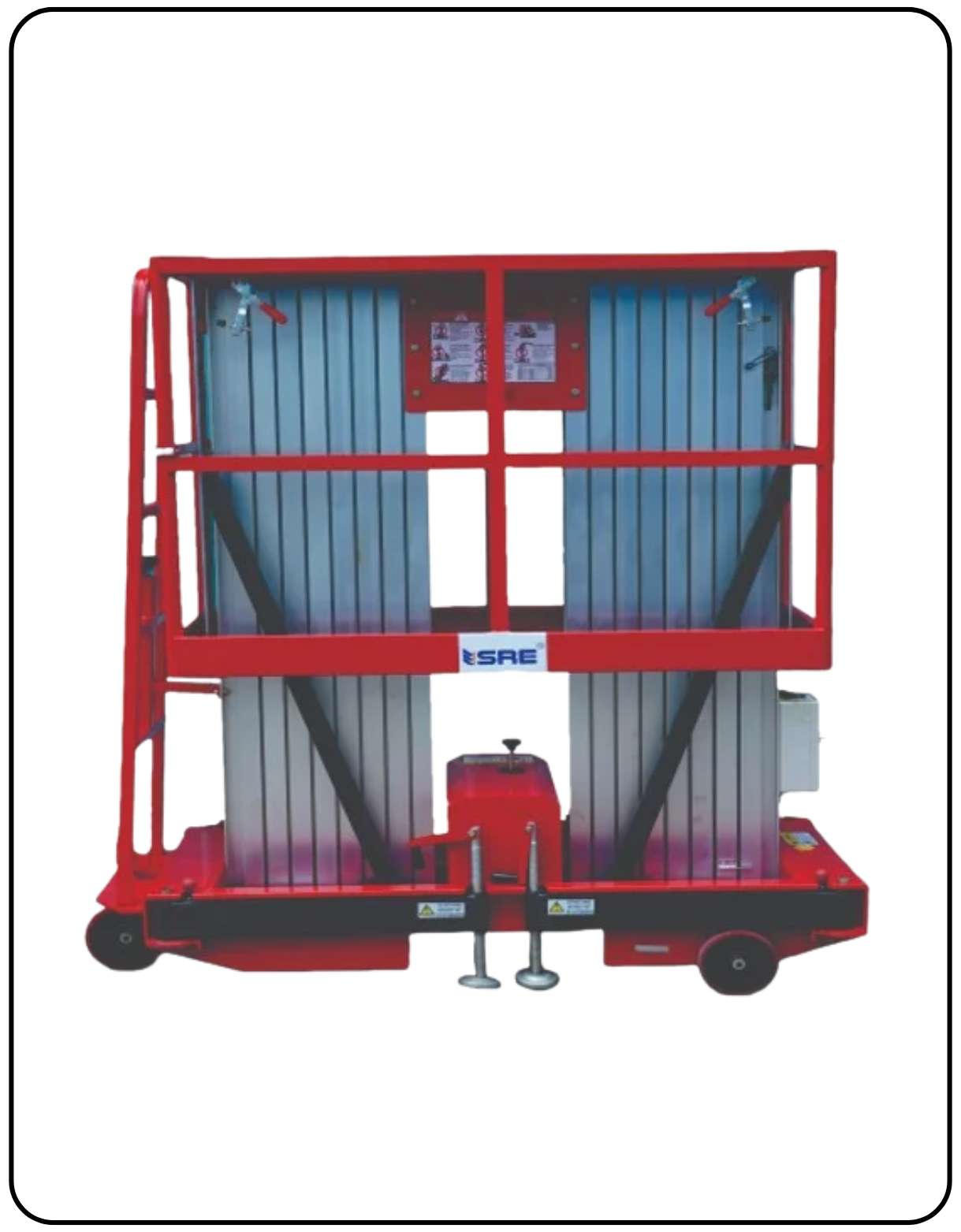
SRE Material Handling Equipment Pvt. Ltd.: Manufacturer, Supplier, And Exporter Of Electric Pallet Trucks in India.
SRE Material Handling Equipment Pvt. Ltd., Manufacturer And Supplier Of Electric Pallet Truck in Bhosri.
Our Manufacturing Unit is in Ahmedabad, Vadodara, and Rajkot, Gujarat, India.
Electric Pallet Truck in Bhosri: A Practical Guide for Industrial Leaders
Over the past decade, the landscape of warehousing and industrial tasks has transformed significantly. What once depended on sheer muscle and basic instruments now necessitates precision, promptness, and dependability. Production volumes are on the rise, customer demands are becoming stricter, and operational spending is under tighter review than ever before. These pressures are tangible—they manifest in daily jobs, staffing plans, safety records, and performance measures.
In the day-to-day running of a warehouse, managers frequently grapple with the identical challenge: How can we relocate more goods, quicker and more securely, without exhausting our personnel? It is within this setting that the Electric Pallet Truck, especially when implemented in industrial zones like Bhosri, presents itself as a practical remedy—rather than just a trendy term.
This article examines the genuine worth of Electric Pallet Trucks for warehouse proprietors, factory supervisors, supply chain directors, operations chiefs, and purchasing departments. We look past promotional assertions to address on-the-ground difficulties with workable answers.
The Evolving Requirements of Contemporary Warehouses and Industries
Several unchangeable truths shape current operations:
- Growing throughput needs: Clients anticipate shorter processing times and faster deliveries.
- Workforce shortages: Finding and keeping skilled staff is more challenging now.
- Safety and adherence: Workplace accidents cause expenses, delays, and compliance scrutiny.
- Uniform performance: Fluctuations in output between shifts impact key performance indicators.
In numerous Indian sites—including those in the Bhosri industrial corridor—internal transport presents a challenge. Shifting palletized items between receiving docks, storage areas, and shipping bays consumes considerable time. Manual pallet movers and older-style forklifts, while functional, show their limits:
- Manual movers depend on physical exertion.
- Forklifts running on combustion engines generate noise and fumes.
- Standard electric forklifts can be excessive for short-distance hauling.
Warehouse supervisors often describe situations like this:
These are actual operational hurdles, not theoretical ones. This is where the Electric Pallet Truck comes in: a tool engineered to close efficiency gaps in actual work processes.
Defining the Electric Pallet Truck
The Electric Pallet Truck is a motorised device for transporting loads on pallets. Unlike a manual pallet jack that requires only human effort, an Electric Pallet Truck employs an electric drivetrain—powered by a rechargeable battery—to move pallets, whether they are loaded or empty.
However, let’s be clear: this is not merely a marketing definition. Those working in warehouses think of it in terms of its function, not just its name:
- It lessens the physical strain of repetitive movements.
- It streamlines internal transfers.
- It standardises output across different work periods.
- It supports work methods that promote well-being.
In many facilities around Bhosri and the industrial zones of Pune, these trucks serve loading bays, cross-aisle thoroughfares, and holding areas—spots where heavy cargo is moved often but without the long distances or height requirements that necessitate larger forklifts.
The Shift Towards Electric Pallet Trucks Over Manual Gear
Reducing Weariness and Physical Burden
In their daily tasks, workers using manual pallet jacks might move dozens of loads each shift. This involves more than just strength; it’s about consistent bending, pushing, pulling, and positioning under weight. Over time, this repetitive stress leads to exhaustion, slowdowns, and a heightened risk of strains and back issues.
Electric Pallet Trucks remove the need for manual pushing. They utilise powered drive and lift functions, allowing operators to concentrate on steering and control rather than raw force. This results in:
- Less exhaustion per shift
- Fewer unplanned pauses
- More consistent performance from start to finish
Enhancing Operational Predictability
Operators using manual equipment inherently introduce variation:
- Some move pallets rapidly and effectively.
- Others, particularly newer team members, proceed cautiously.
- Fatigue can slow down even adept workers.
Electric Pallet Trucks help establish consistent movement speeds and control, making work patterns more reliable—a crucial factor when hitting strict delivery deadlines.
Boosting Output in Daily Tasks
Productivity is not an abstract idea—it’s quantified by pallets moved per hour, how quickly docks are cleared, and the speed of internal transfers.
Imagine a typical day in a 30,000 sq. ft. distribution centre:
- The morning crew takes in incoming pallets every 15 minutes.
- The afternoon team readies outgoing shipments.
- The night shift stages orders for the following day.
When moving pallets manually, each relocation is limited by human stamina and speed. An Electric Pallet Truck elevates that threshold:
- The duration to shift a pallet from the receiving area to storage decreases.
- Congestion in staging zones lessens.
- Order pickers spend less time waiting.
In reality, many operations teams report that Electric Pallet Trucks boost short-haul throughput by 15–30% compared to manual options—and without the ergonomic slowdown that occurs later in a shift.
Improving Safety in the Workplace
Safety is more than just ticking a compliance box. It’s a driver of performance. Injuries mean lost time, healthcare costs, employee discomfort, and potential regulatory examination.
Electric Pallet Trucks contribute to safety in concrete ways:
- Stable motion: Powered traction lessens the chance of uncontrolled pushes that can cause slips or falls.
- Regulated velocity: Unlike manual jacks that can speed up unexpectedly with a load, electric variants maintain a fixed pace.
- Better sightlines: Modern trucks are designed to give operators a clear view, reducing collision hazards.
Warehouse supervisors in environments with high staff turnover often note the same trend:
- “After introducing electric trucks, we saw fewer reports of near misses around pallet handling—and workers feel more assured operating them.”
This isn’t sales talk—it stems from operational records and safety committee feedback.
Managing Heavier Loads with Greater Ease
Manual pallet jacks are adequate for lighter movements, but as load weights increase (especially over 1,000 kg), human strength becomes a limiting factor. Electric Pallet Trucks perform well where heavier pallets are common:
- Powered lifting: Decreases strain and risk when dealing with heavier stock.
- Smooth hydraulics: Raises and lowers loads gently, avoiding sudden jolts.
- Engineered balance: Built to manage rated weights without compensating for physical unevenness.
In facilities handling bulk materials or pallets of heavy components (frequently seen in automotive, metal fabrication, and large-scale consumer goods sectors), this translates to dependable movement of heavier pallets without adding strain to the labour force. Hydraulic Stacker and Magnetic Lifter to enhance safe, efficient material handling.
Power and Operational Smoothness
When purchasing material movers, battery longevity and availability instantly become top priorities for procurement teams.
Electric Pallet Jacks utilise sensible technological foundations:
- Enduring power sources: Lead-acid or lithium variants offer extended operational windows before recharging.
- Optimised power delivery: Engineered for the constant stopping and starting typical in storage facilities.
- Low-service drive trains: Fewer mechanical assemblies than fuel-driven counterparts result in less unexpected downtime.
From an operational standpoint, being operational is paramount. Gear that spends excessive time offline awaiting repairs or refuelling disrupts schedules and diminishes productivity gains. Conversely, a wisely chosen Electric Pallet Jack facilitates steady daily use, with recharging intervals aligned around breaks and shift handovers.
Maximising Area and Agility
Contemporary distribution centres emphasise storage density. Narrow passageways, elevated shelving, and confined setup zones are the norm. Electric Pallet Jacks, by design, maximise spatial utility:
- Compact physical presence: Facilitates movement through confined aisles.
- Small turning radius: Beneficial in staging areas and between rack structures.
- User-friendly operation: Minimises time spent repositioning loads.
Facility planners frequently report that the area conserved through superior agility can postpone the need for site expansion—leading to tangible savings in property and racking investments.
Long-Term Financial Prudence
The initial purchase price is only one factor. The comprehensive expenditure profile (TCO) demands procurement teams’ attention.
An Electric Pallet Jack delivers worth across several areas:
- Reduced personnel expenditure: Less operator strain and enhanced output equate to greater productivity per shift.
- Safety dividends: Fewer incidents translate to lower insurance claims and less lost time.
- Decreased machinery wear: Relative to internal combustion units, electric models possess fewer moving parts and incur zero fuel expense.
- Prolonged service duration: With appropriate upkeep, these units remain dependable for numerous years.
When calculating the operational expenditure per unit moved, electric trucks typically surpass manual equipment while offering drivetrain efficiencies without the capital outlay of larger lift trucks.
Environmental Responsibility and Adherence
As enterprises strengthen their environmental pledges and regulatory compliance, cleaner operations are gaining importance.
Electric Pallet Jacks support green initiatives:
- Zero direct site pollution: In contrast to fuel-based alternatives.
- Diminished noise pollution: Improving general workplace ambience.
- Energy-optimised performance: Decreasing power draw per task completed.
For organisations committed to ESG principles, these features represent more than just marketing—they reflect rising expectations from stakeholders, clientele, and oversight bodies.
Seamless Integration into Facility Flows
An Electric Pallet Jack functions as part of a larger system:
- Receipt and preparation areas
- Material transfer operations (cross-docking)
- Order selection stations
- Internal transport loops
In day-to-day activities, workflows frequently require cross-departmental coordination. Electric Pallet Jacks integrate naturally into these sequences as they:
- Transport pallets dependably between zones.
- Free up larger lift trucks for vertical tasks.
- Ease congestion at aisle intersections.
Effective incorporation hinges on understanding a facility’s rhythm. Many operations staff map their most active routes and schedule truck usage where it alleviates the most difficulty, producing an immediate operational uplift.
Operational Simplicity and Servicing
A frequent misunderstanding among decision-makers is that electric apparatus demands advanced technical skill. In reality:
- Controls are straightforward and designed for operator comfort.
- Most users achieve proficiency after a brief orientation.
- Maintenance is predictable and generally planned—not reactive.
Fundamental operator instruction covers safety protocols, power source management, and routine inspections. Since the mechanism is purpose-built for load movement, fleets spend less time in the repair bay and more time actively serving the process.
The Crucial Role of a Dependable Manufacturer
In acquiring equipment, supplier quality varies significantly. Differences manifest in:
- Machine resilience under heavy application
- Accessibility of spares and technical assistance
- Warranty clarity and support responsiveness
- Local service network availability
When assessing Electric Pallet Jack vendors for your local needs, request performance metrics, uptime records, and service structures—not solely sticker prices.
A reliable producer guarantees:
- Stable functionality across years, not just months
- Minimal interruption through scheduled service
- Access to authentic components and certified technicians
- Clear post-sale client support
This is where operational experience yields dividends: high-quality apparatus and trustworthy support directly impact key metrics like output, safety figures, and unit handling expense.
Closing Thoughts
In contemporary warehouse and industrial settings, the Electric Pallet Jack has evolved beyond simple hardware—it’s a practical tool enabling efficient, secure, and consistent internal material flow. From lessening physical strain and enhancing safety to boosting output and reducing comprehensive running costs, the advantages are rooted in tangible performance—not exaggeration.
For leadership, from site owners to supply chain executives, selecting the appropriate material handling assets is fundamental. And choosing equipment backed by robust service is equally vital.
If your operational crew is seeking enhancements to internal transit and productivity locally or elsewhere, consider how an Electric Pallet Jack aligns with your process. Investigate models, seek operational endorsements, and prioritise lasting value over the lowest initial expenditure.
To discover further practical insights or explore specific requirements, connect with SRE MATERIAL HANDLING EQUIPMENT PRIVATE LIMITED at https://www.sremhepvtltd.com/
Key Takeaways
- Throughput: Electric Pallet Jacks standardise output rates and minimise idle time.
- Well-being: Reduced operator fatigue and controlled motion improve workplace safety.
- Load Capacity: Engineered for consistent results with heavier pallet units.
- Financial Performance: Lower overall cost of operation across the equipment’s lifespan.
- Market Trajectory: Modern facilities are increasingly optimising internal movement with powered solutions.
Trending F&Q
Q1. What is an Electric Pallet Truck used for?
- It is used for moving palletised goods quickly and safely inside warehouses and factories.
Q2. Is an Electric Pallet Truck better than a manual pallet jack?
- Yes, it reduces operator fatigue, improves speed, and ensures consistent productivity.
Q3. Can Electric Pallet Trucks handle heavy loads?
- Yes, they are designed to move heavy pallets with better stability and control.
Q4. Are Electric Pallet Trucks suitable for narrow aisles?
- Yes, their compact design makes them ideal for narrow and congested spaces.
Q5. How much training is required to operate an Electric Pallet Truck?
- Basic training is sufficient; most operators learn to use it quickly.
Contact us today for reliable electric pallet truck solutions. Call +91 9316 2088798 or sremhepvtltd2025@gmail.com for assistance now.
#ElectricPalletTruck #WarehouseEfficiency #MaterialHandling #IndustrialEquipment #Bhosri #SupplyChain #WarehouseSafety #SREMaterialHandlingEquipmentPrivateLimited