
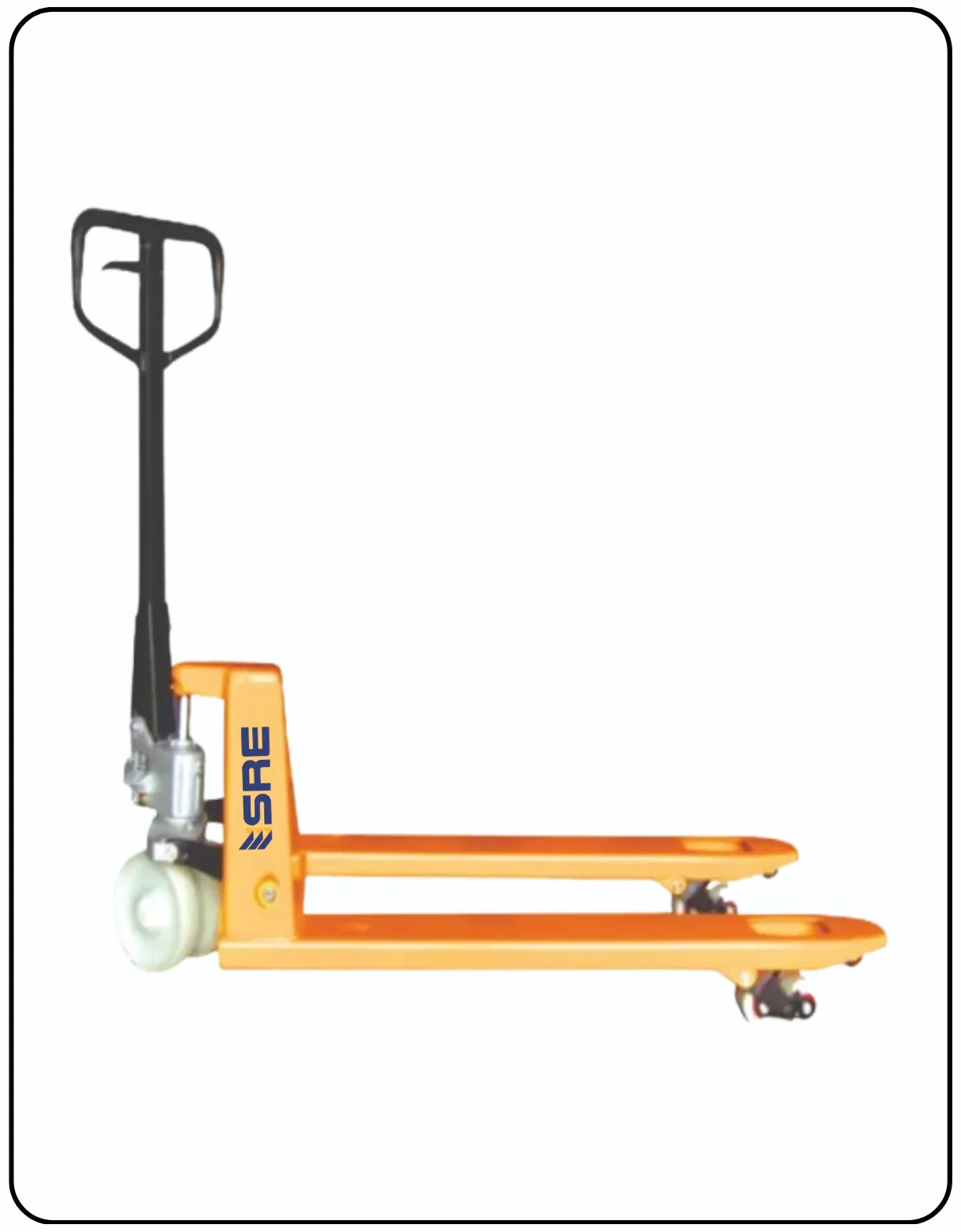
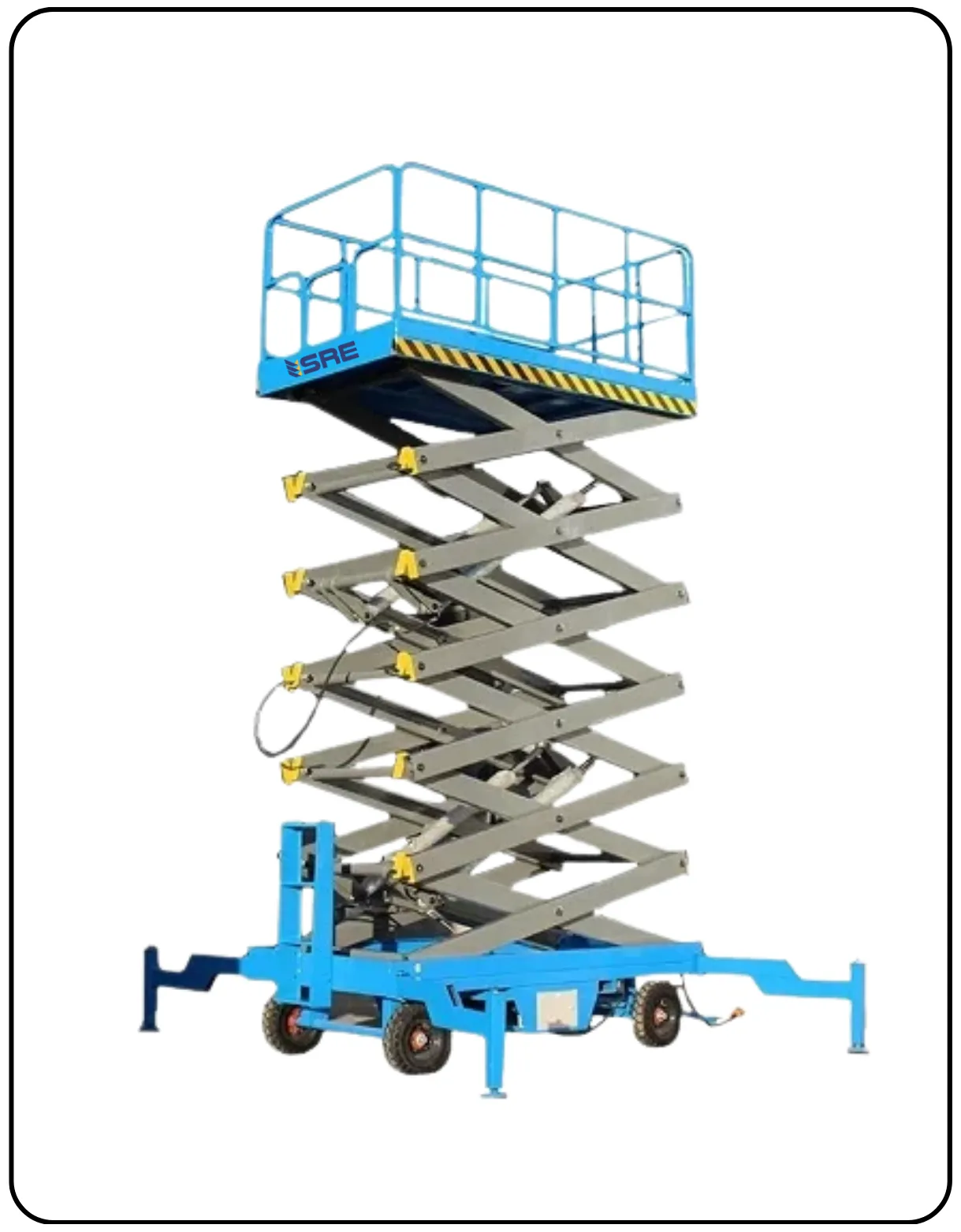
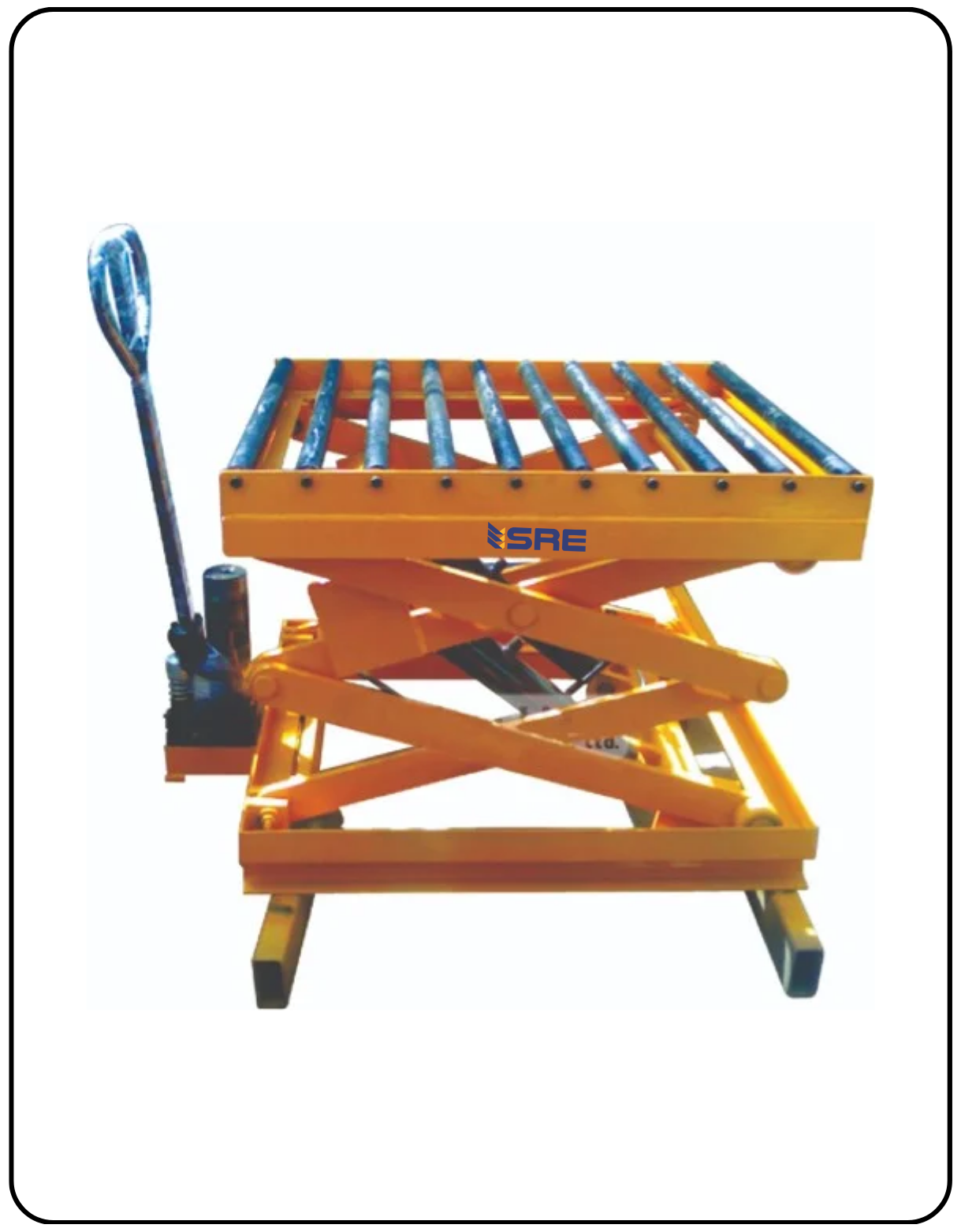
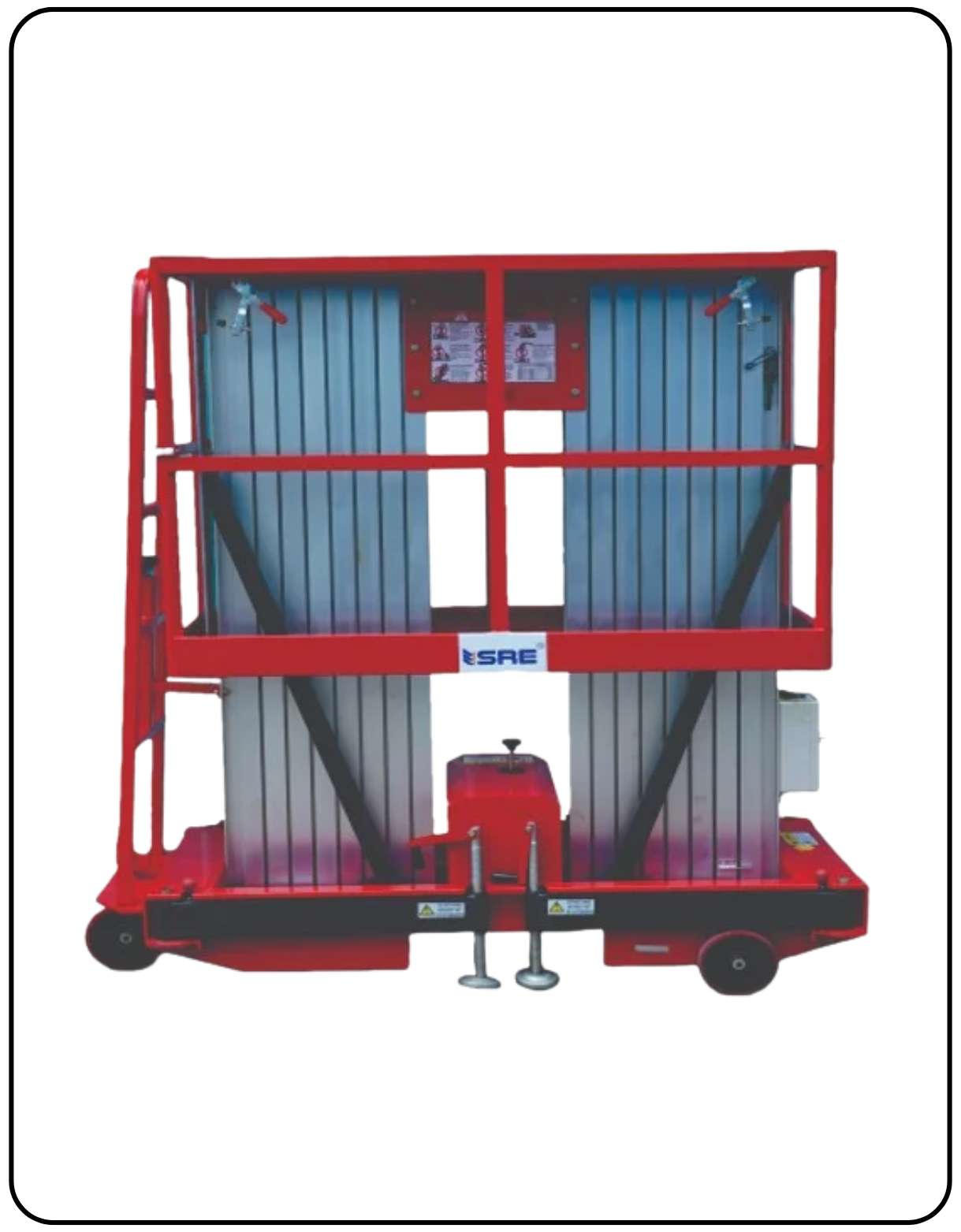
SRE Material Handling Equipment Pvt. Ltd.: Manufacturer, Supplier, And Exporter Of Electric Pallet Truck in India.
SRE Material Handling Equipment Pvt. Ltd., Manufacturer And Supplier Of Electric Pallet Truck in Mumbai.
Our Manufacturing Unit is in Ahmedabad, Vadodara, and Rajkot, Gujarat, India.
Electric Pallet Truck in Mumbai: A Practical Guide for Industrial Decision‑Makers
In daily warehouse operations across Mumbai’s fast‑moving industrial hubs, expectations have shifted dramatically in the last decade. Volume, speed, accuracy, and safety aren’t just buzzwords—they’re baseline requirements. Whether you manage a distribution centre in Navi Mumbai, a manufacturing line in Thane, or a cold storage facility near Dadar, internal logistics have become a decisive factor in operational performance.
Industrial teams are under pressure: tighter delivery windows, higher throughput goals, labour shortages, and increasing safety compliance demands. These are not theoretical challenges; they are the realities faced by warehouse owners, factory managers, operations heads, supply‑chain leaders, and procurement teams every day.
Among the practical solutions gaining ground is the Electric Pallet Truck—a tool that addresses core workflow bottlenecks without adding complexity. This blog explores why electric pallet trucks are increasingly seen as operational essentials in Mumbai’s industrial landscape and how they translate into real performance gains.
The Changing Needs of Modern Warehouses and Industrial Sites
In traditional warehouse setups, moving pallets across floors was often a manual or semi‑mechanized endeavor. Teams relied on manual pallet jacks or forklift trucks—tools that served well when throughput was moderate, and product variety was limited.
Today, the situation is different:
- Higher Volume and Greater Velocity: Facilities in Mumbai handle more SKUs and quicker turnaround times. Goods arriving from ports in Jawaharlal Nehru Port Trust (JNPT) and domestic freight hubs must be processed rapidly.
- Labour Constraints: Skilled forklift operators are hard to retain. Seasonal peaks put intense pressure on available staff.
- Safety and Compliance: Incidents of strains and sprains from manual handling lead to lost time and regulatory risk.
- Operational Complexity: Narrow aisles, multi‑shift schedules, and space constraints require flexible material handling equipment that can adapt without costly redesign.
In daily operations, these factors combine to create stress points. A single delay in pallet movement can cascade into inventory inaccuracies, delayed shipments, and unhappy customers.
Here, equipment choice is not just about capacity; it’s about how well it fits into the workflow and how it supports people who do the work.
What Is an Electric Pallet Truck?
Put simply, an Electric Pallet Truck is a powered pallet mover designed to transport loaded pallets across floor spaces with minimal operator exertion. Unlike a manual pallet jack that requires physical pumping and pulling, the electric variant uses a battery‑powered drive unit.
But let’s strip away marketing jargon and break it down in real‑world terms:
- Operator Control Without Fatigue: The truck moves under its own power. The operator guides, steers, and controls speed without pushing heavy loads.
- Purpose‑Built for Mid‑Range Moves: Not as large as a forklift, not as limited as a manual jack—these are ideal for distances within warehouse floors, staging areas, and cross‑dock spaces.
- Intuitive Operation: Most electric pallet trucks feature ergonomic controls that take minutes—not hours—to learn.
In everyday use, this equipment functions as a reliable workhorse, bridging the gap between slow manual methods and oversized machinery in spaces where agility and repeatability matter.
Why Electric Pallet Trucks Are Replacing Traditional or Manual Equipment?
Modern warehousing demands consistency and speed; manual handling introduces variability that impacts both.
From Manual Strain to Consistent Performance
Manual pallet jacks are inexpensive and simple, but they put significant physical demands on staff. This leads to:
- Operator fatigue over long shifts
- Inconsistent movement speeds
- Higher risk of musculoskeletal strain
Electric pallet trucks eliminate most of these concerns. In daily warehouse operations, we’ve observed that even moderately loaded pallets become effortless to move. For managers, this means:
- Predictable throughput across shifts
- Less variability in task completion times
- Operators who finish shifts with less fatigue
- Less Downtime, More Throughput
Traditional powered equipment, like forklifts, is essential for high lifts and stacking, but for floor‑level movement, they’re overkill. Electric pallet trucks sit in the productive sweet spot: fast enough for routine transfers, compact enough for busy aisles.
Productivity Gains in Daily Operations
Real productivity isn’t measured in theoretical cycle times, but in what gets done reliably day after day.
In daily warehouse operations, electric pallet trucks offer:
- Lower cycle times for pallet transfers
- Better consistency between operators
- Repeatable performance across high‑volume shifts
Consider a scenario:
Warehouses often run multiple shifts with varying levels of staff expertise. A less experienced worker pushing a manual jack may take 30–40% longer than a Platform Trolley And Construction Crane seasoned handler. With an electric pallet truck, that performance gap narrows significantly, allowing teams to maintain throughput and accuracy throughout the day.
Improved Workplace Safety
Safety is both an ethical obligation and a business imperative. Injuries from manual handling are among the most common in warehousing environments.
Electric pallet trucks help reduce these risks in practical ways:
- Ergonomic Controls: Operators use handles and controls designed to minimise strain.
- Reduced Manual Force: Less pushing and pulling means fewer slip, trip, and strain incidents.
- Controlled Movement: Speed and braking systems are engineered for stability.
In warehouses with mixed traffic patterns—where workers, forklifts, and trolleys operate concurrently—electric pallet trucks offer:
- Lower risk of collision due to predictable movement
- Better operator control in confined spaces
- Built‑in safety features like emergency stops
In daily experience, teams with powered pallet trucks tend to report fewer injury claims and less lost time due to strain.
Handling Heavier Loads With Ease
Mumbai’s industrial sites deal with diverse load profiles—from packed cartons to industrial spares and raw materials.
Manual handling becomes a safety and productivity constraint when:
- Loads exceed safe manual handling capacity
- Repetitive movement causes operator fatigue
- Throughput goals require continuous movement
Electric pallet trucks handle heavier loads with controlled stability. Key operational advantages include:
- Consistent Movement: No reliance on operator strength
- Better Load Stability: Designed for even weight distribution
- Enhanced Control: Operators can adjust speed and braking to handle complex loads
In facilities where pallet weights vary throughout the shift, this adaptability supports smoother workflows and fewer load‑handling errors.
Technology and Operational Efficiency
What separates one electric pallet truck from another is not just power, but how that power translates into uptime, reliability, and ease of use.
Key technology considerations include:
- Battery Performance and Runtime: A reliable battery system ensures trucks last through long shifts without frequent swaps.
- Maintenance Accessibility: Easily accessible components mean faster service turnaround.
- Intuitive Interface: Operators spend less time learning and more time executing.
Electric pallet trucks today often come equipped with robust battery management systems, regenerative braking to extend runtime, and modular components that simplify servicing.
These features matter in everyday operations because:
- Downtime directly impacts throughput
- Unplanned maintenance interrupts workflows
- A reliable truck reduces operational stress on maintenance teams
For decision‑makers, understanding technology beyond specs helps select equipment that lasts and integrates well with existing processes.
Space Optimisation & Maneuverability
Mumbai’s industrial spaces are at a premium—from older facilities with narrow aisles to modern layouts designed for throughput.
Electric pallet trucks support space optimisation by:
- Compact Footprint: Smaller than forklifts, ideal for tight lanes
- Tight Turning Radius: Easier navigation in narrow passages
- Flexible Movement: Smooth handling even in congested zones
In warehouses where space constraints are ongoing challenges, this maneuverability directly affects daily efficiency. Operators can move pallets without detouring or waiting for clearance, which keeps internal logistics flowing.
Cost Efficiency Over Time
Initial cost is one consideration; long‑term value is another.
Electric pallet trucks deliver cost efficiencies that include:
- Lower Injury‑Related Costs: Fewer strain injuries reduce medical and compensation claims.
- Reduced Labour Fatigue: Less fatigue leads to better attendance and productivity.
- Lower Downtime: More reliable equipment reduces disruption to workflows.
Rather than focusing on sticker price, experienced procurement teams look at total cost of ownership—which includes serviceability, uptime, energy costs, and safety improvements.
In real warehouse environments, these factors often outweigh initial purchase price, making electric pallet trucks a practical investment.
Sustainability & Compliance
Energy efficiency and emissions have become important decision criteria—not just for regulatory compliance, but also for corporate sustainability goals.
Electric pallet trucks contribute to:
- Cleaner Operations: No combustion emissions indoors
- Energy‑Efficient Performance: Battery‑powered systems use less energy than older power sources
- Regulatory Compliance: Supports workplace air quality and safety standards
In facilities prioritising environmental responsibility, equipment choices reflect operational as well as sustainability goals.
Integration With Warehouse and Factory Workflow
Adopting new equipment isn’t just about the machine; it’s about how it fits into existing workflows.
Electric pallet trucks integrate smoothly when:
- Floor layouts support powered movement
- Teams are trained to operate consistently
- Dispatch and receiving areas are aligned for efficient pallet flow
Planners should consider workflow mapping before acquisition. In most cases, electric pallet trucks enhance existing systems with minimal disruption. For facilities using warehouse management systems (WMS), these trucks often complement rather than replace automation.
The result is a more synchronised internal logistics flow—reducing wait times and improving coordination between stations.
Training, Ease of Use, and Maintenance
Equipment is only as effective as the teams that use it and the systems that support it.
Electric pallet trucks are designed for:
- Straightforward Training: Operators typically become proficient quickly
- Predictable Maintenance: Regular checkups based on usage patterns
- User‑Friendly Operation: Intuitive controls reduce errors
Maintenance routines are generally simple, focusing on battery care, wheel inspection, and control checks. With basic preventive service, these trucks remain reliable workhorses.
For operations heads and maintenance planners, this predictability simplifies scheduling and parts management.
Why Choosing a Reliable Manufacturer Matters?
Not all electric pallet trucks are the same. For operations and procurement leaders, manufacturer selection matters because it influences:
- Quality and Durability
- After‑Sales Service
- Parts Availability
- Compliance with Operational Safety Standards
Experienced manufacturers understand real warehouse challenges. They build equipment that stands up to daily use and provide support structures that reduce downtime.
Selecting a vendor with proven experience, solid service networks, and a clear understanding of industrial requirements brings long‑term operational confidence.
Conclusion:
In Mumbai’s dynamic industrial landscape, equipment decisions directly impact productivity, safety, and overall operational performance. Electric pallet trucks offer a practical, effective solution for improving internal logistics—balancing power, control, and efficiency without undue complexity.
For warehouse owners, factory managers, and supply‑chain leaders seeking measurable improvements in daily operations, electric pallet trucks represent a meaningful step toward smoother workflows, safer workplaces, and better throughput.
If you’re evaluating material handling solutions that align with real operational demands, equipment from SRE MATERIAL HANDLING EQUIPMENT PRIVATE LIMITED delivers performance you can depend on—backed by industry experience and support.
Key Takeaways
- Electric pallet trucks improve productivity through faster, consistent pallet movement.
- They enhance workplace safety by reducing manual strain and repetitive motion.
- These trucks handle heavier loads with control and stability.
- Over time, they deliver cost efficiencies via lower downtime and injuries.
- Adoption aligns with industry trends toward powered, ergonomic material handling.
FAQS
1. Are electric pallet trucks suitable for all warehouse types?
- Yes. They’re particularly effective in environments where frequent pallet movement is required over flat surfaces and where manual handling causes delays or fatigue.
2. How steep is the learning curve for operators?
- Most operators become competent with minimal training—often within a single shift for basic movement tasks.
3. Do electric pallet trucks require special maintenance?
- Routine maintenance is straightforward: battery care, wheel checks, and basic control inspections. A preventive schedule keeps uptime high.
4. How do I choose the right electric pallet truck for my facility?
- Assess load profiles, floor space, aisle widths, and daily throughput. Partner with a manufacturer that understands operational contexts and offers support.
#ElectricPalletTruck #WarehouseOperations #MaterialHandling #IndustrialEquipment #FleetEfficiency #LogisticsSolutions #SafetyInWarehouse #SREMaterialHandlingEquipmentPrivateLimited