
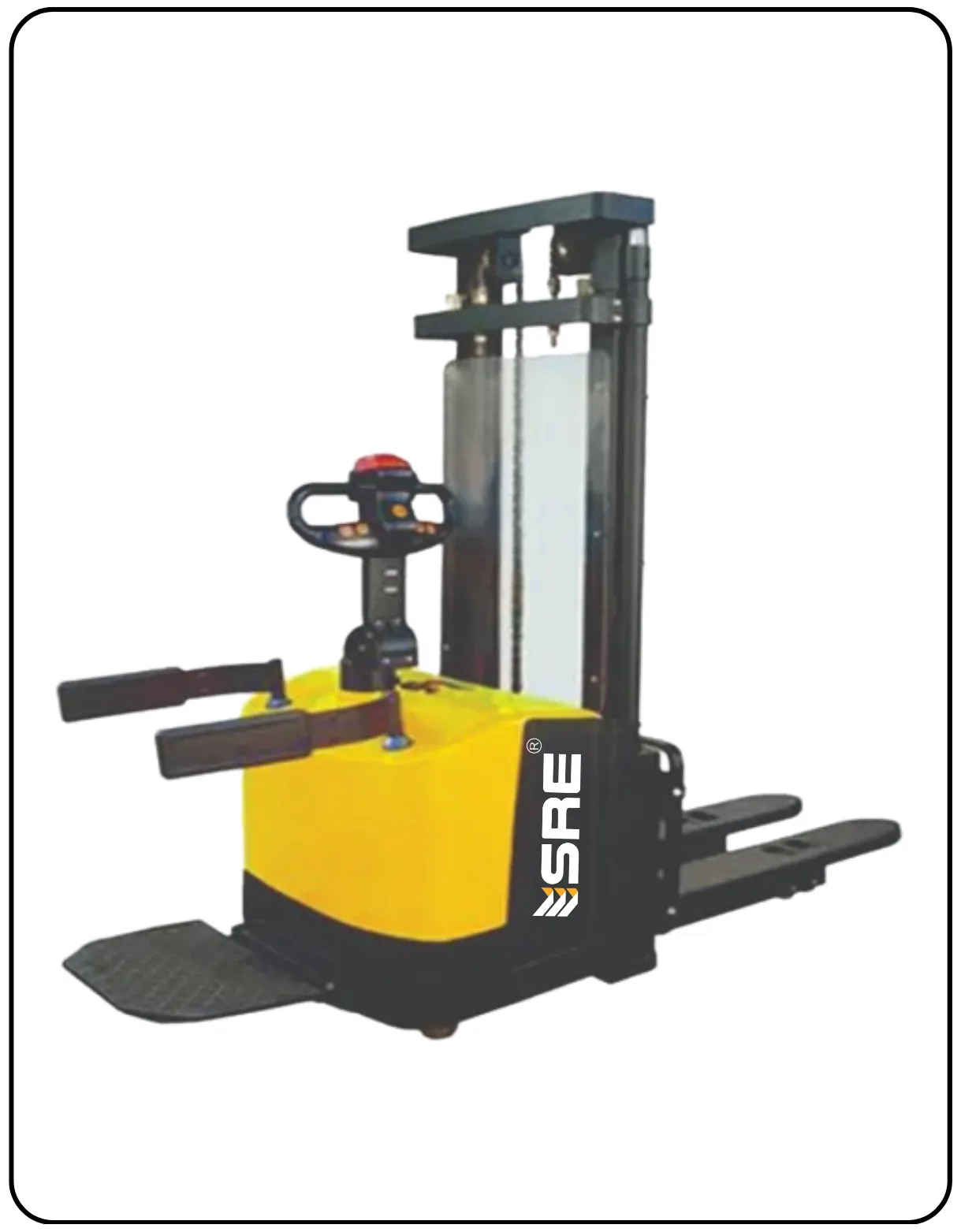
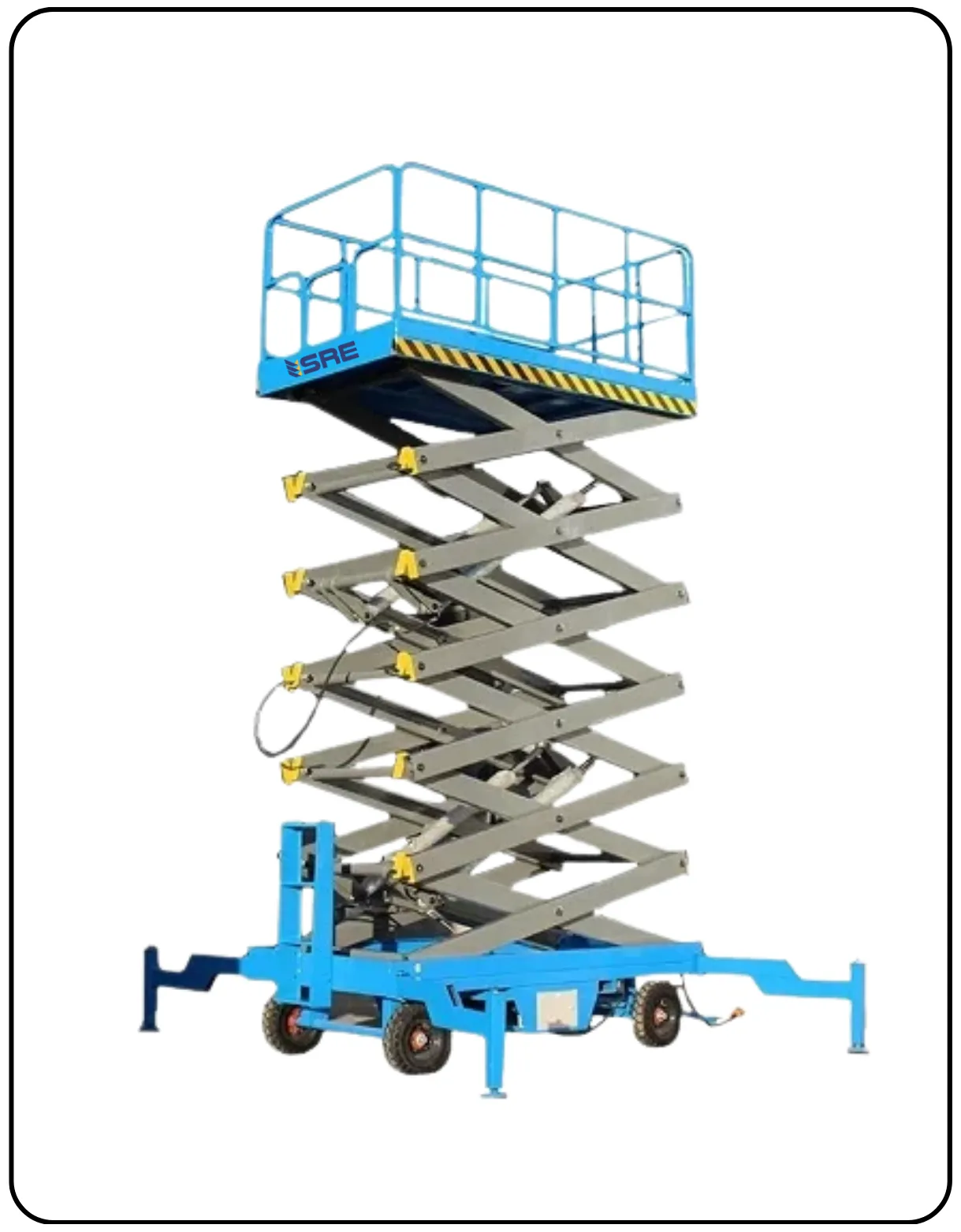
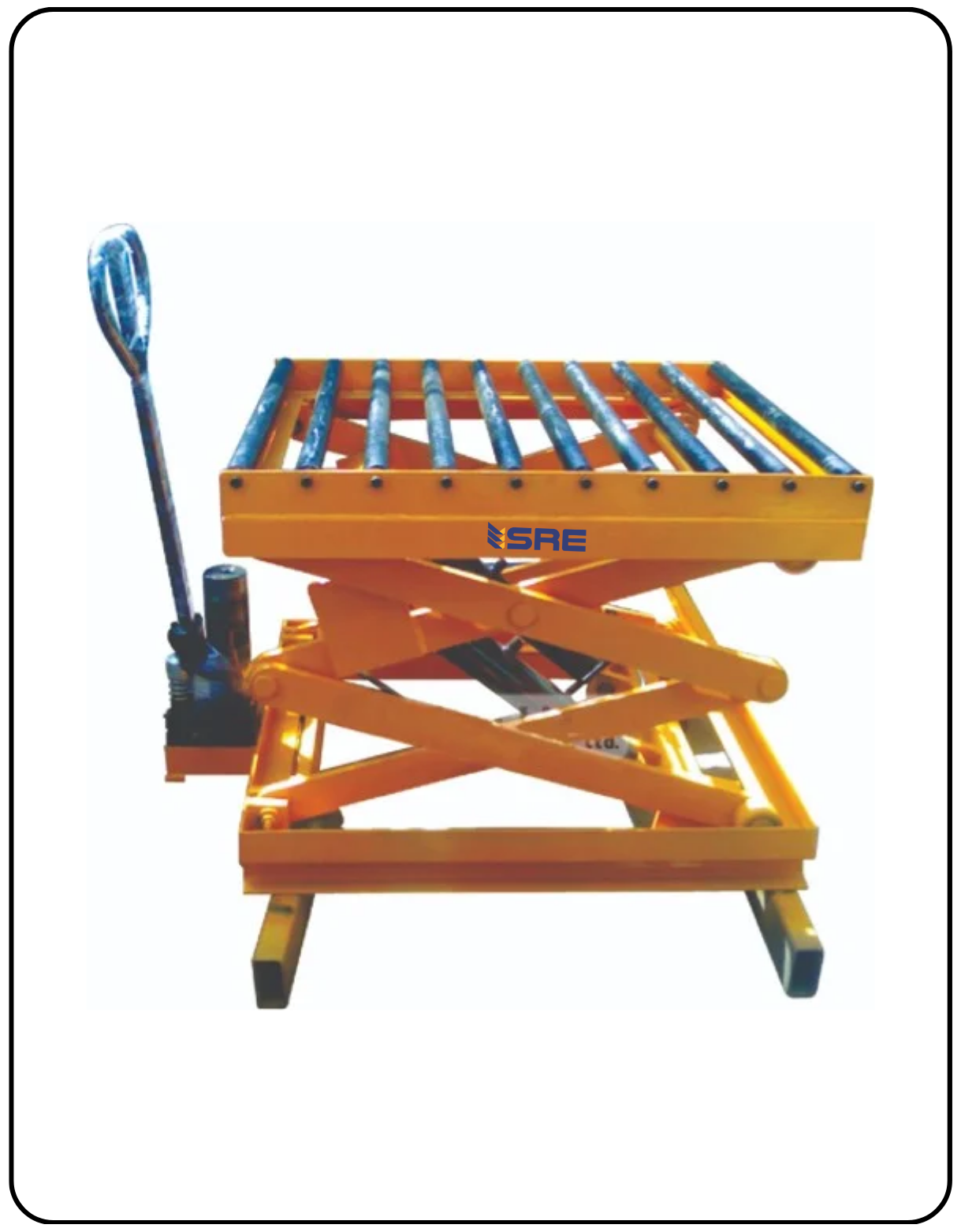
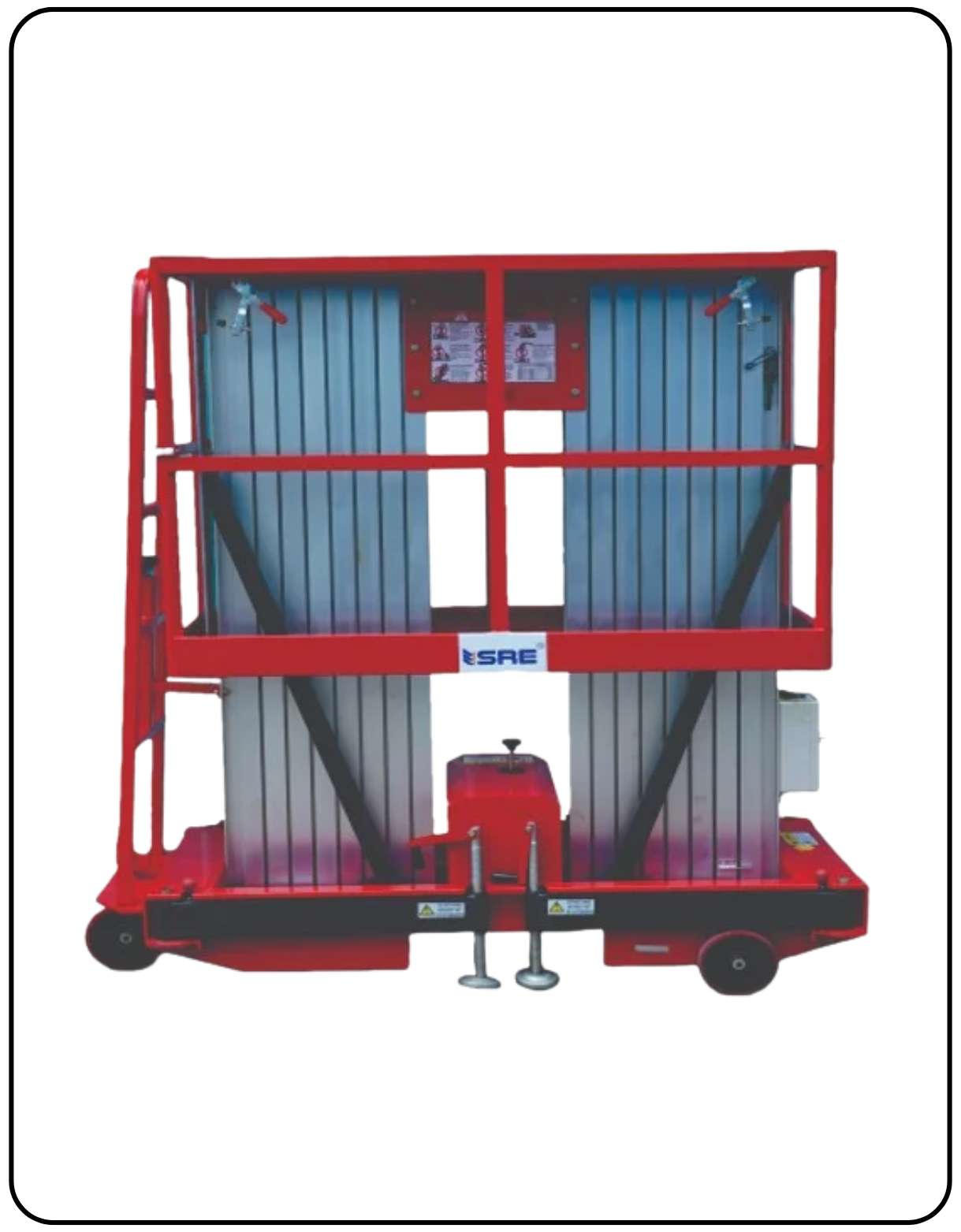
SRE Material Handling Equipment Pvt. Ltd.: Manufacturer, Supplier, And Exporter Of Electric Stacker in India.
SRE Material Handling Equipment Pvt. Ltd., Manufacturer And Supplier Of Electric Stacker in Mumbai.
Our Manufacturing Unit is in Ahmedabad, Vadodara, and Rajkot, Gujarat, India.
Electric Stackers in Mumbai: A Realistic Manual for Industrial Tasks
In the current brisk industrial setting, warehouse and factory functions face heightened demands. Increasing order volumes, stricter drop-off times, and safety mandates are standard operational realities. In daily warehouse tasks throughout Mumbai and other industrial regions, teams balance pace, accuracy, and employee security—all while aiming to manage expenses.
As these pressures progress, so should your internal material movement solutions. Electric stacker technology is no longer just an option—it’s becoming a vital asset for warehouses and manufacturing sites pursuing dependable output and safer load management.
For those making decisions—like warehouse proprietors, operations chiefs, supply chain supervisors, and purchasing departments—this piece offers useful perspectives on why an electric stacker merits serious thought on your production floor.
Evolving Requirements of Contemporary Warehouses / Sectors
Modern storage facilities in Mumbai and beyond manage significantly greater quantities than just five years ago. E-commerce expansion, just-in-time production methods, and greater client expectations mean sites shift more pallets and goods more frequently.
In typical workflow situations, we observe:
- Higher output needs: Processes more pallets per shift.
- Less allowance for errors: Mistakes delay delivery windows.
- Tight labor pools: Skilled forklift operators are not always easy to keep.
Heightened safety standards from insurers and regulators: Fewer accidents directly impact running costs.
Given this context, heavy manual carrying and outdated gear can no longer keep up with actual task necessities.
What Exactly Is an Electric Stacker?
An electric stacker is a material handling apparatus built to raise, lower, and move pallets and items across the warehouse floor using electric power, usually drawn from a rechargeable battery unit.
In simple trade terms:
- It substitutes for manual lifting gear.
- It transports loads over short to medium distances.
- It can elevate loads to racking heights based on the specific unit.
Unlike conventional forklifts, electric stackers are compact, simpler to pilot with minimal coaching, and suitable for indoor warehouse employment. They bridge the gap between hand pallet trucks and full-scale forklifts, offering automated lifting capability without the large footprint or complexity.
Why Electric Stackers Are Superseding Older / Manual Gear?
In everyday tasks, manual pallet trucks and hand stacking introduce several issues:
- Operator tiredness: Manual carrying increases worker strain during longer shifts.
- Uneven performance: Manual exertion results in variable lift heights and speed.
- Injury risk: Back pressure and stumbling dangers rise with heavier freight.
Productivity Gains in Routine Tasks
In regular deployment, an electric stacker delivers demonstrable productivity enhancements:
- Quicker cycle periods: Motorized travel and lifting mean faster pallet transfers.
- Uniform outcomes across shifts: Unlike manual jacks, electric stackers keep up performance irrespective of operator strength or tiredness.
- Smoother workflow rhythm: Predictable equipment behavior supports better scheduling and fewer obstructions.
For instance, transferring goods from receiving docks to storage racks with a manual pallet jack might require several operators over time for one load. With an electric stacker, Aerial Work Platform And Dock Leveler one trained operator can manage the same movement with less exertion and in less time—aiding in meeting output goals without boosting labor expenditure.
Better Workplace Security
Safety remains a prime focus in warehouse and industrial settings. Electric stackers aid in creating safer workspaces by:
- Decreasing physical strain: Powered lifting and motion reduce hazards linked to manual effort.
- Controlled movement: Electric drives provide regulated start-up and slowing, cutting down on abrupt actions that can trigger incidents.
- Lowered accident figures: Less manual moving results in fewer bodily stresses over time.
In reality, sites adopting electric stackers report fewer insurance claims connected to manual handling events and reduced sick leave due to workplace strain.
Managing Heavier Cargo Effortlessly
As inventory and product counts increase, so does the necessity to move heavier, bulkier shipments. Modern warehouses frequently stack pallets higher and need equipment capable of reliably managing these loads.
Electric stackers provide:
- Consistent load command: Electric lift mechanisms ensure fluid, managed elevation.
- Enhanced stability: Many units feature stability systems that support secure transport.
- Capacity options: Ranging from light pallets to medium-weight goods.
This ability is especially valuable in Mumbai’s confined warehouse settings where storage intensity is vital, and shelving can reach considerable heights.
Technology & Operational Effectiveness
Electric stackers incorporate practical technology to support operation time and dependability:
- Battery setups designed for long shifts: Modern lithium or lead-acid batteries supply steady power through taxing schedules.
- Simple controls: Intuitive steering and lifting commands minimize the time needed for instruction.
- Low upkeep structure: Fewer moving components compared to internal combustion engines reduce time offline.
From a service viewpoint, electric stackers are often simpler to maintain—no engine oil changes, fewer emission controls, and straightforward electrical troubleshooting.
Space Maximization & Agility
Many storage facilities in metropolitan areas like Mumbai contend with limited ground area and narrow corridors. Electric stackers are engineered with agility in mind:
- Small physical footprint: Easier to navigate confined aisles versus bulkier forklifts.
- Precise steering: Allows for accurate placement in narrow rack rows.
- Minimal turning radius: Lessens the risk of hitting racks or stored items.
For facilities aiming to refine their storage layout, electric stackers permit greater shelving density without sacrificing movement efficacy.
Cost Effectiveness Over the Long Term
True functional worth stems from sustained performance, not just the initial purchase amount. Electric stackers deliver cost savings via several avenues:
- Lower running expenses: Electricity is generally less costly than fuel, and upkeep is simpler.
- Reduced staffing costs: Faster handling and lessened fatigue mean teams can consistently meet targets without excessive hours.
- Fewer injury-related overheads: Lower accident rates translate to fewer claims and days lost at work.
When you look beyond the price tag, electric stackers often recoup their initial outlay through more consistent operations and reduced lifetime expenditure.
Sustainability & Adherence
Environmental responsibility is no longer a side issue—it’s a regulatory and image focus. Electric stackers offer ecological and compliance advantages:
- Zero on-site pollutants: Perfect for indoor warehouse areas with air circulation worries.
- Energy efficiency: Electric motors convert energy to motion with greater effectiveness.
- Supports green objectives: Aligns with eco-friendly workspace plans and lessens the carbon footprint.
For tasks bound by environmental rules or corporate sustainability reports, electric stackers contribute to measurable advancement.
Fitting into Warehouse / Factory Procedures
An electric stacker isn’t an isolated gadget—it’s part of your wider material movement network. Effective fitting means:
- Coordination with racking structures: Ensuring lift heights match your shelf setup.
- Dock to storage flow: Electric stackers can link movement between loading zones and storage areas.
- Shift planning: Operators can plan moves without waiting for shared, larger forklifts to become free.
In practice, sites that thoughtfully weave electric stackers into their processes observe easier material flow and fewer postponements.
Training, Usability & Servicing
A key practical benefit of electric stackers is their straightforward operation:
- Minimal coaching duration: Simple controls shorten the onboarding period for new operators.
- Reliable function: Consistent output supports safer handling.
- Simple service: Maintenance schedules and diagnostics are easier compared to complex machinery.
With basic instruction and adherence to routine servicing, electric stackers remain dependable tools in daily logistics.
Why Selecting a Trustworthy Maker Is Important?
Choosing superior gear is crucial for enduring performance and well-being. When assessing electric stacker vendors, concentrate on:
- Verified product dependability: Real operational uptime records, beyond mere assertions.
- Service support accessibility: Timely access to repairs and replacement parts.
- Conformity and credentials: Equipment that satisfies security and performance benchmarks.
- Practical advice: Manufacturers who grasp your work processes, not just sales pitches.
A well-considered choice sets your operations up for fewer interruptions and superior long-term results.
Synopsis:
In everyday industrial and warehouse tasks, electric stackers present a pragmatic answer to real demands: boosting output, lessening fatigue and harm, managing heavier loads, and supporting tighter operational sequences. They aren’t a magic fix, but they are an asset that delivers consistent worth when selected and brought into use correctly.
If you are assessing material handling apparatus for your site in Mumbai or elsewhere, think about how an electric stacker aligns with your specific work process and operational aims.
For dependable solutions and expert advice on electric stackers and other material handling gear, examine the offerings at SRE MATERIAL HANDLING EQUIPMENT PRIVATE LIMITED: practical gear supported by industry expertise.
👉 Explore: https://www.sremhepvtltd.com/
Key Takeaways
- Electric stackers improve productivity through powered movement and consistent handling.
- They enhance workplace safety by reducing manual strain and controlling operation.
- Modern stackers handle heavier loads reliably with stability and precision.
- Over time, they deliver cost efficiency through lower operating and maintenance costs.
- Electric stackers align with industry trends toward sustainability, space optimization, and workflow integration.
#ElectricStacker #WarehouseEfficiency #MaterialHandling #MumbaiIndustry #SREMaterialHandlingEquipmentPrivateLimited