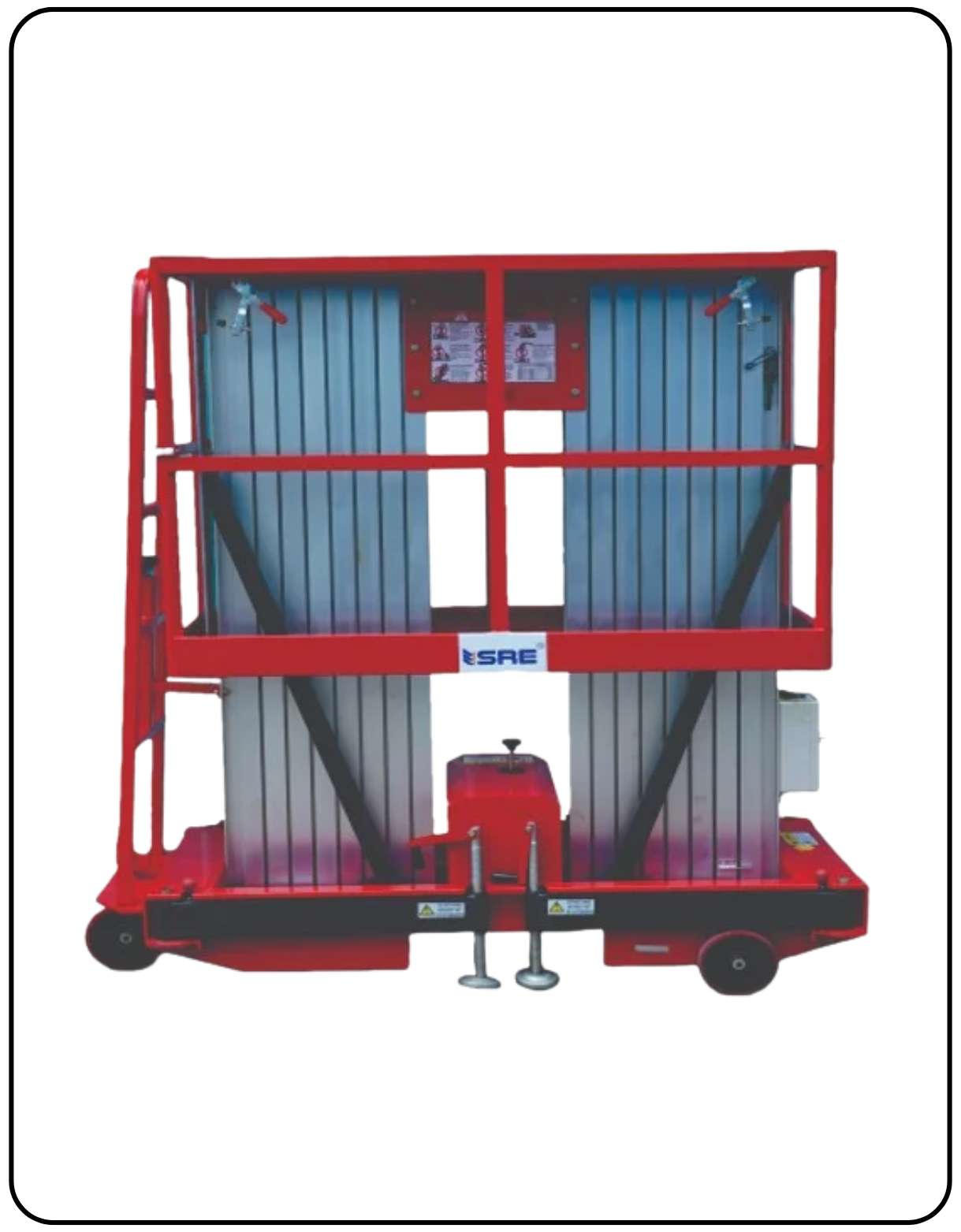
SRE Material Handling Equipment Pvt. Ltd.: Manufacturer, Supplier, And Exporter Of Industrial Dock Leveler in India.
SRE Material Handling Equipment Pvt. Ltd., Manufacturer And Supplier Of Industrial Dock Leveler in Mumbai.
Our Manufacturing Unit is in Ahmedabad, Vadodara, and Rajkot, Gujarat, India.
Industrial Dock Leveler in Mumbai: A Pragmatic Guide for Warehouse and Factory Leaders
In daily warehouse operations where freight volumes, turn times, and safety demands increase every quarter, small inefficiencies can compound into major bottlenecks. The landscape of material handling has evolved: faster delivery expectations, leaner labour availability, and tighter safety compliance are no longer fringe concerns—they’re standard operational risks. In this context, an Industrial Dock Leveller in Mumbai is not a luxury feature; it’s a practical solution that bridges your facility floor with incoming and outgoing transport vehicles. It enhances workflow, reduces delays, and supports safer, higher‑tempo operations without adding unnecessary complexity.
This guide is written for warehouse owners, factory managers, operations heads, supply chain professionals, and procurement teams who need grounded insight into how modern dock levellers affect daily performance, safety outcomes, and long‑term operational costs.
The Changing Needs of Modern Warehouses and Industrial Operations
Across India’s industrial hubs, including Mumbai, Pune, and Ahmedabad, warehouses are processing higher quantities of goods with thinner margins and tighter delivery windows. In practical terms, this means:
- Higher truck arrival rates within narrow time slots
- Greater pressure on inbound and outbound dock operations
- Fewer experienced hands are available for heavy lifting
- Zero tolerance for preventable safety incidents
In busy distribution environments, these pressures manifest as workflow challenges: delays in truck turnaround, repetitive strain injuries among dock workers, and unpredictable labour costs during peak cycles. Each of these pressures pushes facility managers to rethink dock equipment beyond manual ramps and ad‑hoc solutions.
Operations leaders consistently report that inconsistent dock transitions—not the trucks themselves—are one of the most frequent blockers to achieving steady workflow throughout the day. A quality Industrial Dock Leveller in Mumbai helps standardise that transition across different truck bed heights and equipment teams.
What Is an Industrial Dock Leveler?
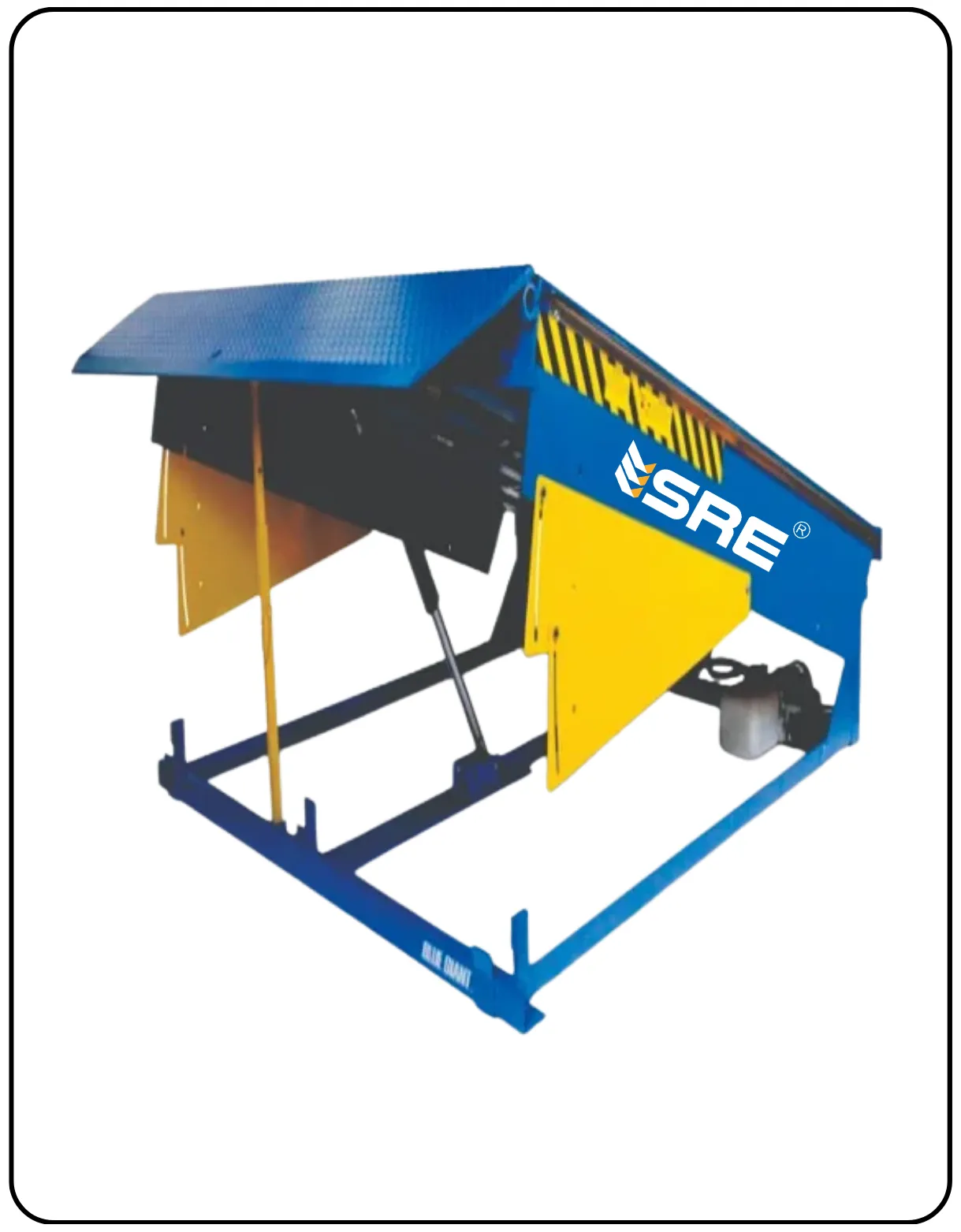
In plain operational terms, an industrial dock leveler is a mechanical or hydraulic platform that creates a safe, adjustable bridge between the warehouse floor and the bed of a truck or trailer. Rather than relying on wooden blocks, fixed ramps, or manual adjustments, a dock leveler changes position to match varying vehicle heights and stabilises movement for forklifts and pallet jacks.
From an operator’s viewpoint, a dock leveller:
- Meets varying truck bed heights instantly
- Supports forklift traffic without jolts or uneven movement
- Reduces manual height adjustment work
- Limits product or personnel downtime at the dock
This equipment doesn’t require theoretical knowledge to appreciate: anyone who has worked the docks can tell you that smooth, predictable transitions make the difference between an efficient shift and constant stop‑start delays.
Why Industrial Dock Levelers Are Replacing Traditional and Manual Equipment?
Traditionally, many small and mid‑sized operations used fixed ramps, adjustable boards, or block stacking to create a height transition. In practice, these methods carry significant operational drawbacks.
Manual Methods and Their Limitations
- Wooden blocks/stackers: labour-intensive, inconsistent height levels, and risk of slippage
- Fixed ramps: only good for one height; incompatible with mixed fleet vehicles
- Temporary metal plates: heavy, difficult to reposition, potential tripping hazards
- Makeshift solutions: invite accidents and yield inconsistent loading times
In contrast, modern dock levellers:
- Adjust to truck beds without manual effort
- Maintain consistent height alignment over hundreds of cycles
- Reduce fatigue in workers who otherwise lift, shift, or brace ramps manually
From a practical standpoint, removing the need for crews to handle heavy boards or blocks reduces strain injuries and improves throughput consistency across shifts.
Productivity Gains in Daily Operations
In a dynamic warehouse environment, time is the currency that counts. An airport‑style schedule doesn’t just apply to flights—dock operations run on tight windows where minutes lost per truck multiply rapidly.
Here’s how installing an industrial dock leveller delivers measurable productivity improvements:
- Faster truck turnaround: automatic height alignment trims minutes from each loading/unloading cycle.
- Reliable workflow: crews spend less time adjusting height and more time moving freight.
- Consistent output: predictable dock transitions mean that shift variations matter less—the throughput is stable regardless of who is on the floor.
In our experience with daily warehouse operations, even a one‑to two‑minute saving per dock cycle adds up to hours per week. Multiply that across multiple docks and multiple shifts, and you’re looking at significant throughput gains without adding labour hours.
Improved Workplace Safety
Safety isn’t just a compliance checkbox—it’s an operational necessity that supports worker confidence, productivity, and morale. Industrial dock levellers directly reduce common injury vectors:
- Reduced lifting strain: no more dragging heavy boards or blocks into place
- Controlled transitions: even height changes mean forklifts and pallet jacks don’t “pop” between surfaces
- Fewer slip or trip hazards: automated levelling removes ad‑hoc obstacles from the loading bay floor
On physical safety alone, most facilities notice fewer minor injuries and near misses after upgrading from manual ramps to a quality dock leveller.
Handling Heavier Loads with Ease
As machinery, goods, and pallets get heavier, the demand for dock transitions increases proportionally. Manual ramping and height adjustments that worked for lighter loads falter under industrial‑grade freight.
Modern dock levellers are engineered to handle heavy loads with stability and control. This is not about lofty performance specs; it’s about everyday confidence that:
- Your forklift doesn’t skid when crossing between surfaces,
- operators don’t have to slow down to accommodate rough transitions,
- Your pallet loads stay secure throughout the loading process.
In workshops and warehouses where heavier loads pass daily, a reliable dock leveller preserves equipment life and reduces product settling or damage during transitions.
Technology and Operational Efficiency
Dock levellers don’t need to be complicated to make a difference, but modern designs consistently deliver operational advantages through:
- Hydraulic or air‑assisted lifts: smooth, predictable adjustment with minimal maintenance
- Mechanical simplicity: fewer downtime points and easier onsite service
- Reliable power systems: consistent performance even during high‑usage cycles
For operations leaders, this means less unplanned downtime and more predictable maintenance budgeting. You don’t need an engineering degree to appreciate a dock leveller that works every cycle and is easy to maintain when scheduled service time arrives.
Space Optimisation and Maneuverability
In busy warehouses—especially those with narrow aisles or limited dock space—every square meter matters. Industrial dock levellers:
- occupy a minimal footprint when stowed
- integrate with existing dock doors without expanding structural space
- allow forklifts to approach directly without additional maneuvering room
Case in point: In facilities where dock positioning had previously caused congestion, operators report better queue management after installing dock levellers that line up consistently with vehicle heights.
Cost Efficiency Over Time
When evaluating any material handling investment, it’s sensible to look beyond upfront cost and focus on long‑term ROI. Industrial dock levellers deliver ongoing value through:
- Reduced injuries: lower compensation and absentee costs
- Less product damage: better transitions mean fewer dropped pallets
- Shorter loading cycles: faster processes reduce labour hours per shift
- Lower maintenance burden: quality hydraulic or mechanical systems have predictable service intervals
Viewed pragmatically, the amortised cost of a dock leveller often pays for itself through fewer delays and smoother operations within a few quarters.
Sustainability and Compliance
Today’s industrial environment places greater emphasis on sustainability and regulatory compliance. A sturdy dock leveller contributes to both:
- Cleaner operations: fewer scattered wooden blocks or loose boards
- Energy efficiency: Hydraulic systems are often more efficient than powered alternatives
- Compliance mindset: standardising dock transitions improves safety records and audit readiness
In facilities where sustainability and workplace safety go hand‑in‑hand, the value of modern dock equipment becomes even more pronounced.
Integration with Warehouse and Factory Workflows
Practical warehouse systems function as an interplay of conveyors, forklifts, dock doors, storage locations, and people. A dock leveller isn’t a standalone gadget—it’s a connector.
With thoughtful implementation:
- It works seamlessly with inbound routing plans
- It supports outbound staging and cross‑dock practices
- It fits into digital or manual yard management routines
In real workflows, teams appreciate the predictability that dock levellers bring to scheduling and staging, especially during peak periods.
Training, Ease of Use, and Maintenance
A common concern among operations teams is whether new equipment adds complexity. Good dock levellers are:
- easy to operate with minimal training
- intuitive for loading crews to adopt
- designed for predictable preventive maintenance
Operators typically master leveler use in a few supervised cycles. Maintenance routines align with standard equipment schedules, making resourcing straightforward.
Why Choosing a Reliable Manufacturer Matters?
When selecting an industrial dock leveller, quality and service support matter far more than promotional claims. A reliable manufacturer offers:
- Proven operational experience: designs based on real performance cycles
- Accessible service support: response when you need it
- Compliance with safety norms and material standards
- Clear documentation and training support
Choosing wisely reduces risk, shortens commissioning cycles, and ensures your dock equipment contributes positively to your operational goals.
Conclusion:
In daily warehouse and industrial operations, small inefficiencies at the dock can ripple into bigger workflow disruptions. An Industrial Dock Leveller in Mumbai isn’t about adding gadgetry—it’s about solving real operational challenges: consistent transitions, safer handling, and smoother throughput.
For warehouse owners, factory managers, and supply chain leaders looking to boost performance with tangible, low‑friction solutions, investing in a quality dock leveller supports measurable gains in productivity, safety, and long‑term cost management.
To explore robust dock leveller options designed for real industry conditions, visit https://www.sremhepvtltd.com/ and learn how to align your dock infrastructure with modern operational demands.
Key Takeaways
- Productivity: reduces dock cycle time and stabilises throughput.
- Safety: lowers strain injuries and eliminates ad‑hoc hazards.
- Load Handling: supports heavier freight with stable transitions.
- Cost Efficiency: offers measurable ROI through reduced downtime.
- Industry Trend: modern docks increasingly require automated levelling solutions for consistency.
FAQS
1. Do dock levellers require specialised operators?
- No. Most quality dock levellers are designed for intuitive use with minimal training, enabling quick adoption across shift teams.
2. How often should dock levellers be serviced?
- Regular preventive maintenance aligned with usage intensity—often quarterly—is recommended to sustain reliable performance.
3. Can dock levellers handle all truck heights?
- Modern hydraulic and mechanical dock levellers adjust over a wide range, supporting mixed fleets without manual workaround adjustments.
#IndustrialDockLeveler #WarehouseEfficiency #MaterialHandling #DockSafety #LogisticsSolutions #MumbaiIndustry #SREMaterialHandlingEquipmentPrivateLimited