
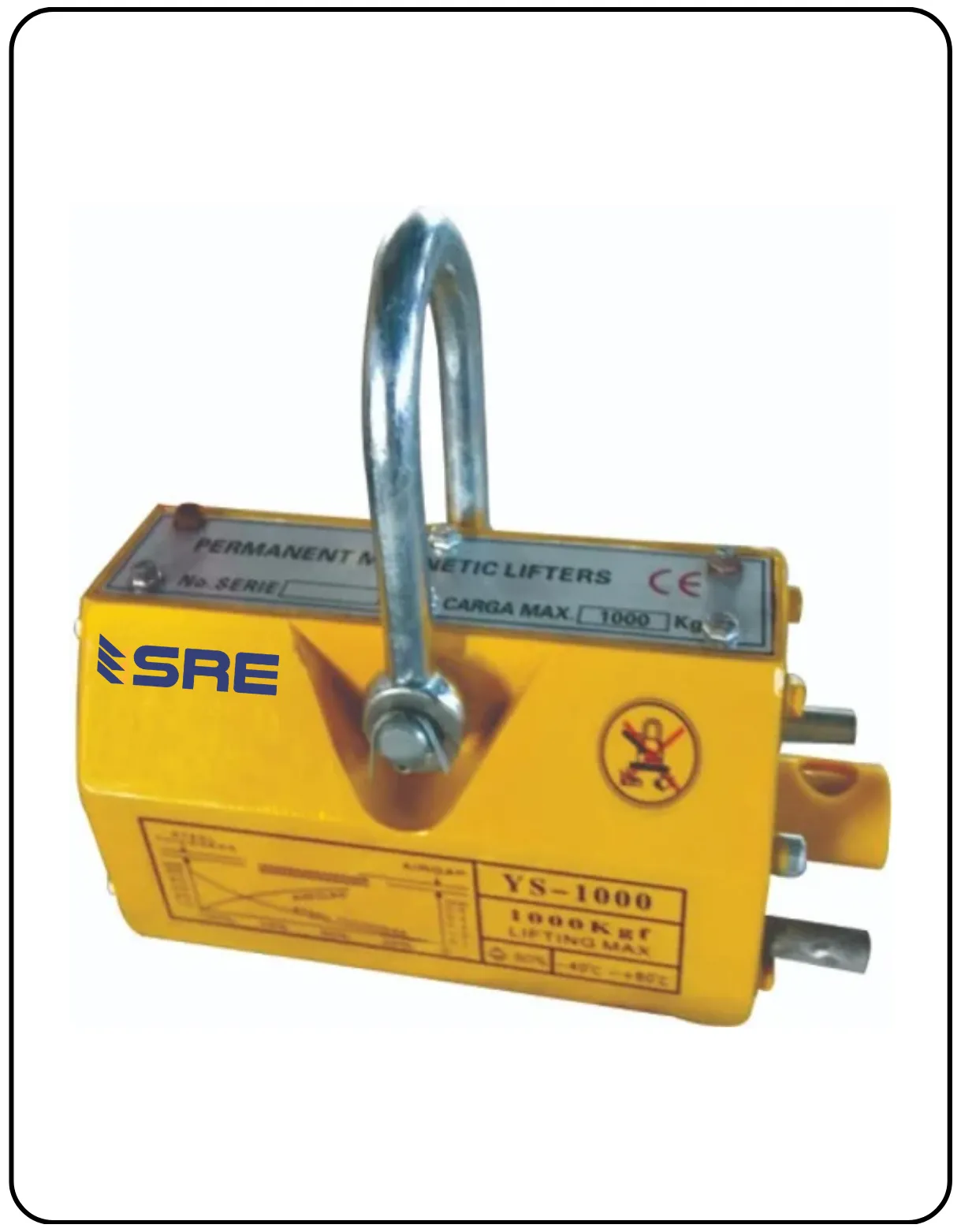
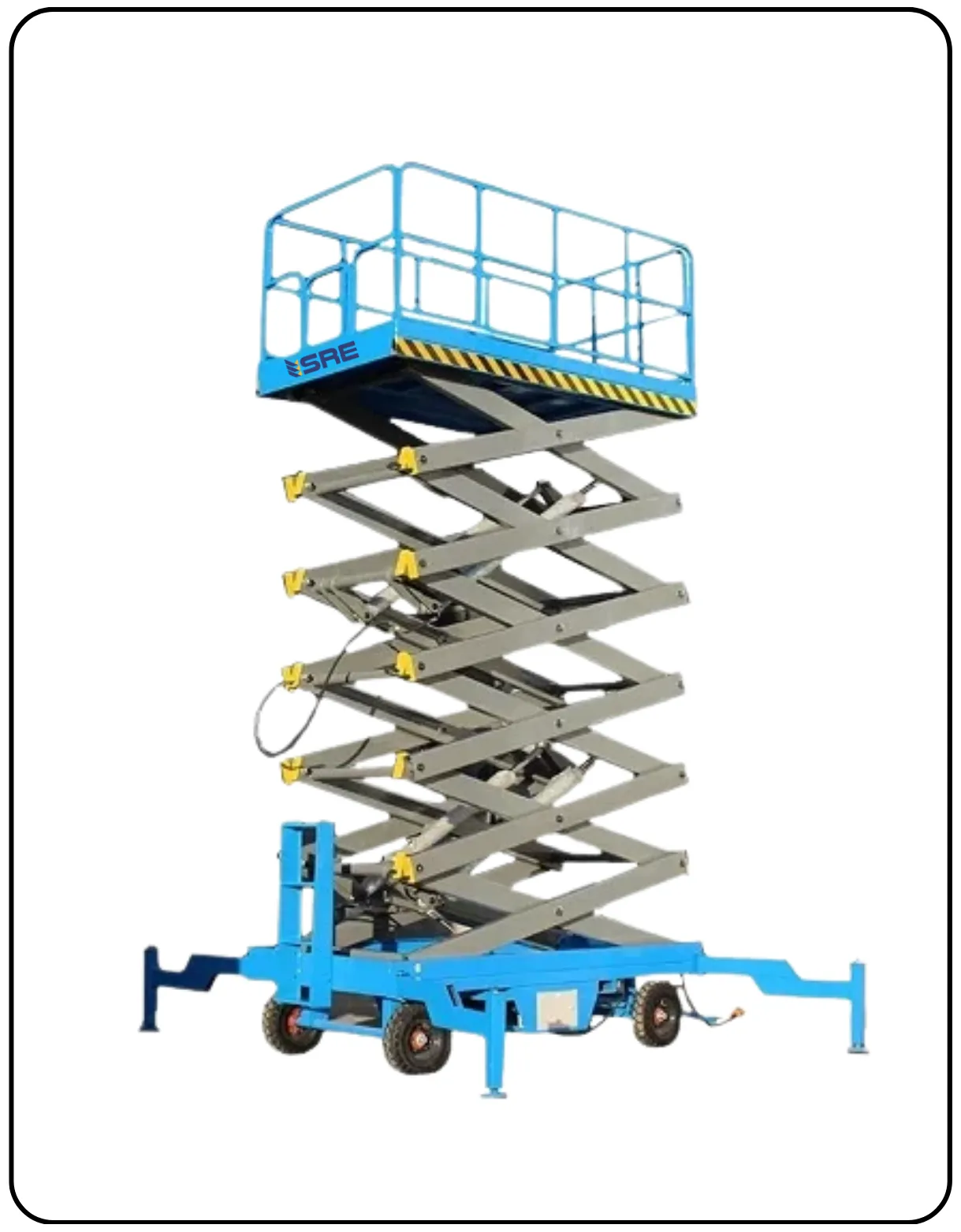
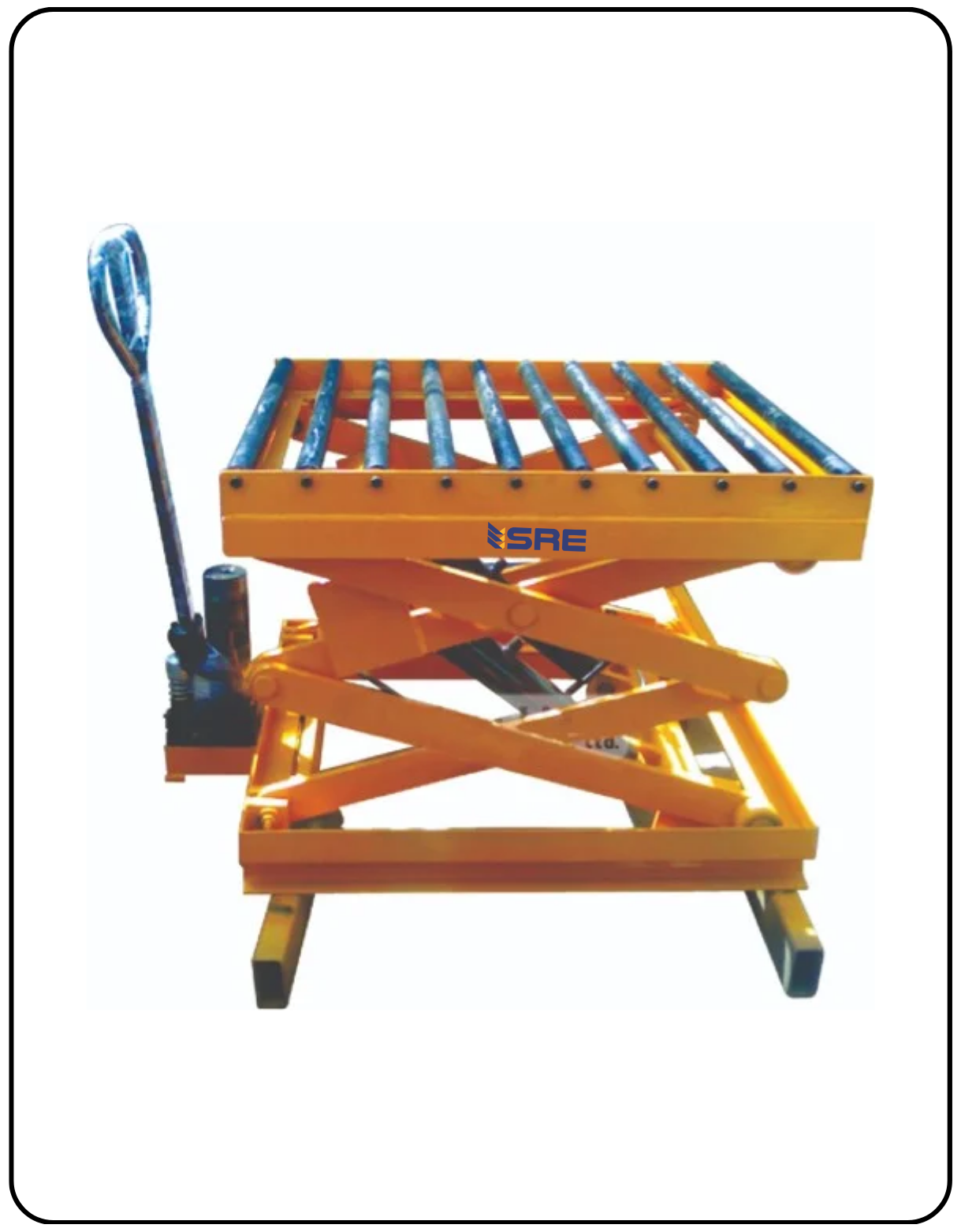
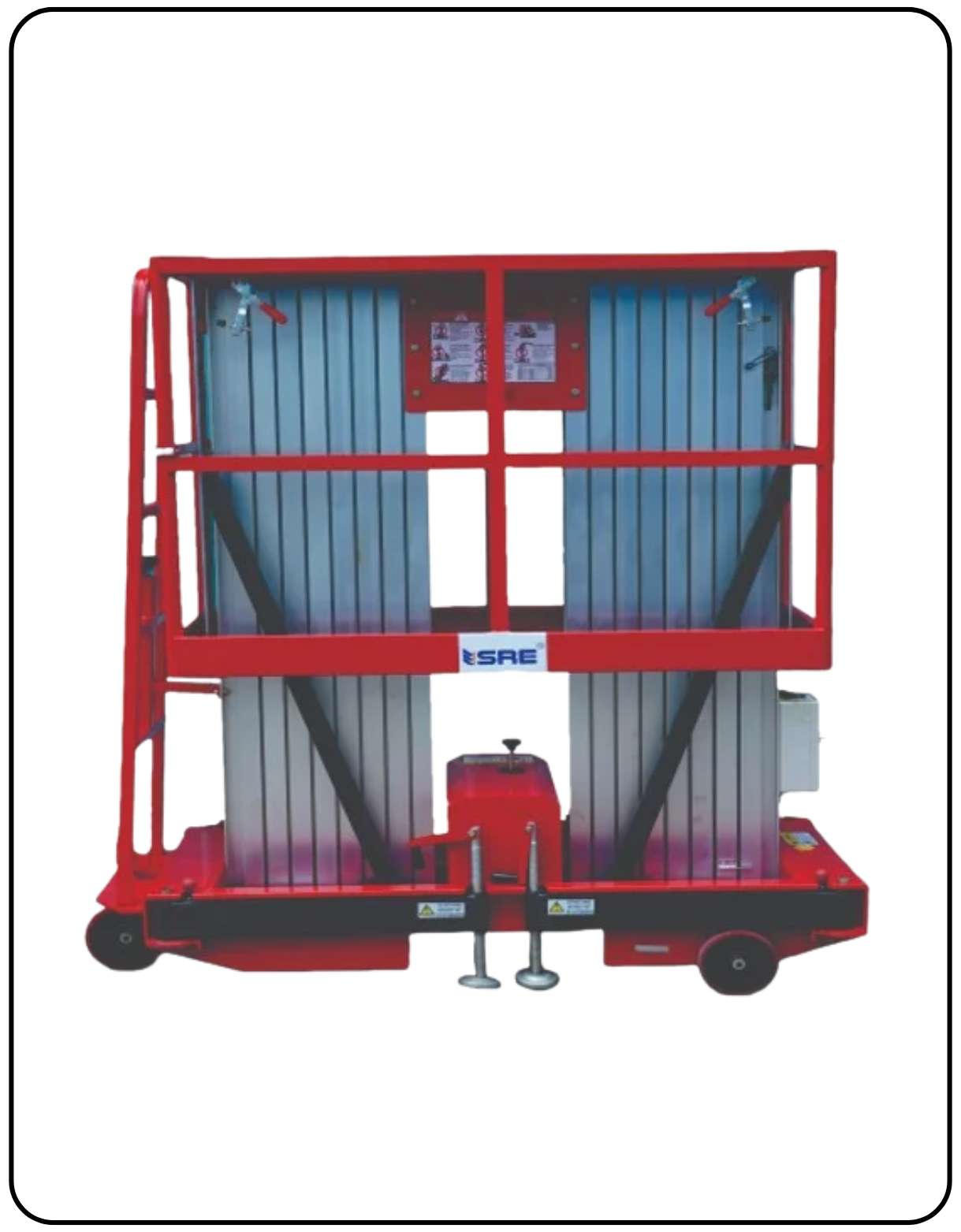
SRE Material Handling Equipment Pvt. Ltd.: Manufacturer, Supplier, And Exporter Of Magnet Lifterin India.
SRE Material Handling Equipment Pvt. Ltd., Manufacturer And Supplier Of Magnet Lifter in Nashik.
Our Manufacturing Unit is in Ahmedabad, Vadodara, and Rajkot, Gujarat, India.
Magnet Lifter in Nashik: A Practical Guide for Industrial Decision‑Makers
In the modern, quickly changing factory and warehouse setting, work processes constantly face pressure to maximize output while minimizing resources. The greater movement of goods, stricter delivery deadlines, and higher safety standards all create genuine hurdles for warehouse owners, factory supervisors, operations directors, supply chain specialists, and purchasing departments. In day-to-day industrial tasks, straightforward actions like hoisting and shifting large metal components can easily slow things down, impacting efficiency, worker well-being, and overall expense.
This extensive guide will explore what magnetic lifters are, why they are important, and how they function in actual industrial settings, focusing on common difficulties and straightforward, real-world insights based on experience.
Metamorphosis of Modern Warehouse and Industrial Requirements
Today’s industrial environments differ significantly from those of ten years ago. Several emerging themes are reshaping how storage facilities and production sites function:
Escalating Volume and Speed
Global supply chain stresses, customer demands for faster service, and round-the-clock operations have significantly boosted expectations for throughput. Sheet metal, fabricated pieces, metal parts, and similar ferromagnetic materials must be moved rapidly and precisely across factory floors and storage areas.
Workforce Hurdles
Finding and keeping skilled material handlers grows ever more difficult. Physical stress, repetitive actions, and safety worries contribute to exhaustion and employee attrition.
Strict Timelines and Uniform Shifts
When deadlines loom and evening shifts contribute as much volume as daytime shifts, maintaining consistency in task execution—including how loads are managed—becomes vital.
These circumstances create a palpable operational strain: how to boost output without heightening risk or labor expenditure. In routine warehouse tasks, conventional manual hauling and lifting methods hit their ceiling when volume, weight, and safety concerns are all trending upward.
Defining a Magnetic Lifter
A Magnetic Lifter is a specialized piece of equipment engineered to lift, secure, and convey ferromagnetic (iron-based) materials utilizing magnetic power. Instead of relying on chains, hooks, or clamps, a magnetic lifter employs a powerful field, either permanent or electromagnetic, to firmly grip metal pieces.
In a production context, a magnetic lifter:
- Attaches to a load instantly, bypassing complex rigging
- Removes the necessity for manual gripping points, slings, or hooks
- Can function remotely or be incorporated with a lifting apparatus
- Includes safety mechanisms for activating and deactivating as required
This is not a conceptual definition; it is rooted in daily application across machine shops, fabrication facilities, production floors, and warehouses where handling ferrous goods is a constant activity.
Why Magnetic Lifters Are Superseding Older Manual Techniques
Manual Approaches: Inherent Limitations
In numerous facilities presently, workers still attach slings, hooks, or chains to raise metal items. These methods possess tangible, practical disadvantages:
- Rigging requires more time: Every lift demands careful fitting and adjustment.
- Grip is uneven: Securing heavy loads is tougher with oddly shaped or sharp components.
- Strain and fatigue: Continuous bending, hauling, and hooking put a toll on personnel.
- Greater safety hazard: Improperly secured loads often lead to slippages, drops, and injuries.
Even an operator’s best efforts cannot eliminate these shortcomings, especially during intense shifts with high volumes of repetitive handling.
Magnetic Lifters: Tangible Enhancements
Magnetic lifters resolve these drawbacks in several concrete ways:
- Swift connection: No complex setup—the magnet simply bonds to the material’s surface.
- Dependable operation: Magnetic force is predictable and can be duplicated with similar loads.
- Reduced physical effort: Operators expend less energy bending, modifying, or battling with hardware.
- Accelerated throughput: Faster procedures for picking, moving, and placing free up bandwidth for other duties.
In everyday use, this results in more uniform cycle times, less operator exhaustion, and smoother material progression—not simply because the tool is intrinsically “superior,” but because it aligns better with the actual work process.
Efficiency Gains in Routine Workflows
Here are straightforward observations derived from actual industrial practice:
Quicker Picking and Placing
When a magnetic lifter is correctly matched to the load’s weight and material type, personnel can:
- Engage the material instantly
- Transfer it without dealing with rigging or slings
- Set it down accurately before releasing the hold
Even minor time savings on each lift accumulate quickly across a workday. In operations involving hundreds of lifts daily, this can lead to a demonstrable acceleration of processes.
Uniform Output Across All Shifts
With manual rigging, the proficiency of the worker influences cycle duration. Conversely, using a magnetic lifter smooths out that variation. A properly instructed operator, regardless of whether it’s the day or night shift, will achieve comparable handling durations.
Easing Congestion at Key Points
Areas such as loading bays, cutting stations, or machine staging zones frequently become choke points. Magnetic lifters can improve flow by cutting down delays during material transfer steps.
Bolstering Safety in the Workplace
Safety is more than a regulatory formality; it affects staffing, team morale, and operational continuity. Magnetic lifters contribute to risk mitigation in several functional ways:
Decreased Manual Lifting
Less twisting, bending, and hooking translates to reduced stress on backs, shoulders, and knees. Over the duration of a typical work schedule, this has a real impact on employee welfare.
Managed Load Trajectory
Magnetic grips, when employed correctly, maintain a steady hold and lessen unintentional load shifting during elevation. This lowers the probability of dropped materials, a frequent source of harm and merchandise damage.
Tidier Work Zones
Without straps or hooks hanging about, the workspace remains less cluttered, helping to prevent trips, falls, and accidental contact with machinery.
These safety enhancements are not theoretical; they are consistent with ergonomic principles generally accepted across industrial sectors.
Effortless Handling of Heavier Provisions
As operations expand, the mass and bulk of materials being moved also increase. While hoists and forklifts manage large-scale transport, the close-range positioning of weighty ferrous parts for processing often still defaults to manual means.
Magnetic lifters assist in these scenarios by:
- Supplying a powerful grip on extensive metal surfaces
- Enabling controlled lifts without extensive setup time
- Supporting integration with hoists or cranes for even heavier cargo
For instance, moving a stack of steel plates from the floor onto a staging rack becomes a predictable action: not a slow task involving constant adjustments. When dealing with heavier materials, certainty and control become more critical than sheer velocity.
Apparatus and Operational Smoothness
Contemporary magnetic lifters are designed with functional operation features that boost operational availability and dependability:
Fixed vs. Electronically Controlled Mechanisms
Fixed magnetic lifters offer consistent pulling strength without outside power sources: perfect for continuous service under typical settings.
Electronically controlled magnetic lifters allow for variable clasp force, which proves advantageous for dealing with diverse load contours or dimensions.
The appropriate technology choice hinges on how often they are used, the nature of the goods, and the attachment points within your operational sequence.
Low Energy Use, High Operational Time
Numerous magnetic lifters, especially the fixed types, operate independently of batteries or electrical connections. This lessens the upkeep burden and removes interruptions linked to recharging schedules.
In settings where continuous operation dictates adherence to delivery promises, this straightforwardness aids in more consistent workflow progression.
Space Utilization and Mobility
Warehouse acreage is a valuable asset. A magnetic lifter facilitates space-conscious workflows in significant ways:
Compact Form Factor
When contrasted with bulky lifting gear or systems composed of multiple components, magnetic lifters occupy a modest operational area.
Clearance in Confined Lanes
In storage aisles or manufacturing bays with narrow passageways, the reduced profile of a magnetic lifter helps prevent contact and crowding.
This is important in facilities where every floor area is critical and movement routes are precisely planned.
Value Over the Long Term
A magnetic lifter isn’t a frequently replaced item: it’s an implement engineered for extended utility. Its enduring worth stems from:
Diminished Injury-Related Expenditures
Fewer instances of strain injuries and safer manipulation result in less time lost from work and fewer insurance claims.
Reduced Team Strain
With diminished physical effort per lift, crews can sustain a steady output without resorting to extra hours or increased fatigue levels.
Minimal Servicing Needs
Relative to mechanical winches or motorized apparatus, many magnetic lifters necessitate little beyond periodic checks.
Viewed comprehensively, the overall procurement cost, accounting for safety, output, and upkeep, frequently trends toward thrift rather than expenditure.
Environmental Responsibility and Adherence
Industrial activities are increasingly subject to environmental standards, ranging from internal green objectives to client mandates. Magnetic lifters offer assistance in a few capacities:
- Cleaner Procedures: Absence of hydraulic fluids or disposable rigging lessens refuse.
- Energy-Conscious Tool Selection: Fixed magnets draw no power while in use.
- Compliance Support: Lower incident rates contribute positively to workplace safety reporting and audit preparedness.
For enterprises benchmarking against ISO benchmarks or internal green metrics, these aspects hold tangible appeal.
Seamless Incorporation into Facility and Production Flows
A magnetic lifter does not function in isolation: it integrates into a larger operational matrix:
- Synergy with Cranes or Hoists: For handling heavier items, magnetic lifters serve as secure linking interfaces.
- Preparation for Processing: Magnetic lifters enable swift positioning of components for CNC, thermal cutting, or welding stations.
- Arrival/Dispatch Handling: At loading bays, they accelerate the movement of metallic goods from transport units into storage.
Your workflow architects, whether they are production experts or logistics planners, should regard magnetic lifters as a piece in broader procedural diagrams, beyond merely standalone lifting instruments.
Instruction, Simplicity of Operation, and Upkeep
Experience on production floors indicates that tools succeed when they are uncomplicated to operate and maintain. Magnetic lifters generally satisfy both criteria:
Brief Training Period
Operators usually grasp the use of magnetic lifters rapidly: identifying suitable load surfaces, actuating controls, and positioning lifts without lengthy formal instruction.
Consistent Servicing
Since they are often mechanical and passive (particularly fixed magnets), routine inspections concentrate on structural soundness, surface cleanliness, and safety latches: a straightforward checklist.
Predictability in their function and required attention support smoother onboarding for new personnel and steady performance across shifts.
The Importance of Selecting a Reputable Vendor
Choosing a magnetic lifter transcends merely matching the rated lifting capability. It encompasses construction quality, service provision, regulatory compliance, and longevity.
A respected vendor supplies:
- Precise Engineering: Guaranteeing lift capacities align with actual load circumstances.
- Safety Documentation: Unambiguous guidelines for safe usage and compliance adherence.
- Post-Sale Assistance: Availability of replacement parts, calibration advice, and repair access.
For manufacturing sectors in India, providers like SRE MATERIAL HANDLING EQUIPMENT PRIVATE LIMITED bring expertise in supporting fabrication workshops, storage facilities, and industrial installations with dependable material movement solutions.
You may investigate dependable magnetic lifter choices and support by visiting the firm’s digital address at: https://www.sremhepvtltd.com/
Summary
A Magnetic Lifter is more than just a handling device: it’s a practical mechanism for boosting productivity, alleviating physical strain, standardizing task durations, and fostering safer operational processes within metal-centric storage areas and industrial settings.
When chosen judiciously, incorporated thoughtfully into operations, and backed by dependable support, magnetic lifters deliver quantifiable benefits consistently. For warehouse proprietors, operations supervisors, and purchasing departments grappling with actual challenges like output pressures, safety mandates, workforce variance, and cost regulation, magnetic lifters warrant consideration.
For practical advice concerning magnetic lifters and auxiliary material-handling apparatus, consider reviewing offerings from trusted suppliers such as SRE MATERIAL HANDLING EQUIPMENT PRIVATE LIMITED.
Core Insights
- Throughput: Magnetic lifters accelerate repetitive material transfer with reliable cycle times.
- Wellbeing: Reduced need for complex rigging and controlled motion lessens accident risks and strain on the body.
- Load Management: Effective for handling larger ferrous units without intricate lifting gear.
- Economic Efficiency: Extended operational life and reduced servicing contribute to long-term value.
- System Integration: Functions alongside cranes, hoists, and preparatory stages for smooth processes.
Trending F&Q
Q: Are magnet lifters suitable for all metal surfaces?
- A: Magnet lifters perform best on clean, flat, ferrous surfaces. Irregular shapes or non‑ferrous materials may need alternative handling.
Q: Do magnet lifters require power?
- A: Permanent magnet lifters typically do not. Electromagnetic versions may need power for adjustable gripping.
Q: How do I choose the right lifting capacity?
- A: Match the rated capacity to the heaviest regular loads, accounting for safety margins and duty cycles.
Get in touch with us today for assistance. Call +91 9316 2088798 or sremhepvtltd2025@gmail.com for assistance now.
#MagnetLifter #MaterialHandling #WarehouseEfficiency #IndustrialSafety #Manufacturing #SREMaterialHandling #OperationalProductivity #FactoryWorkflow #IndustrialEquipment