
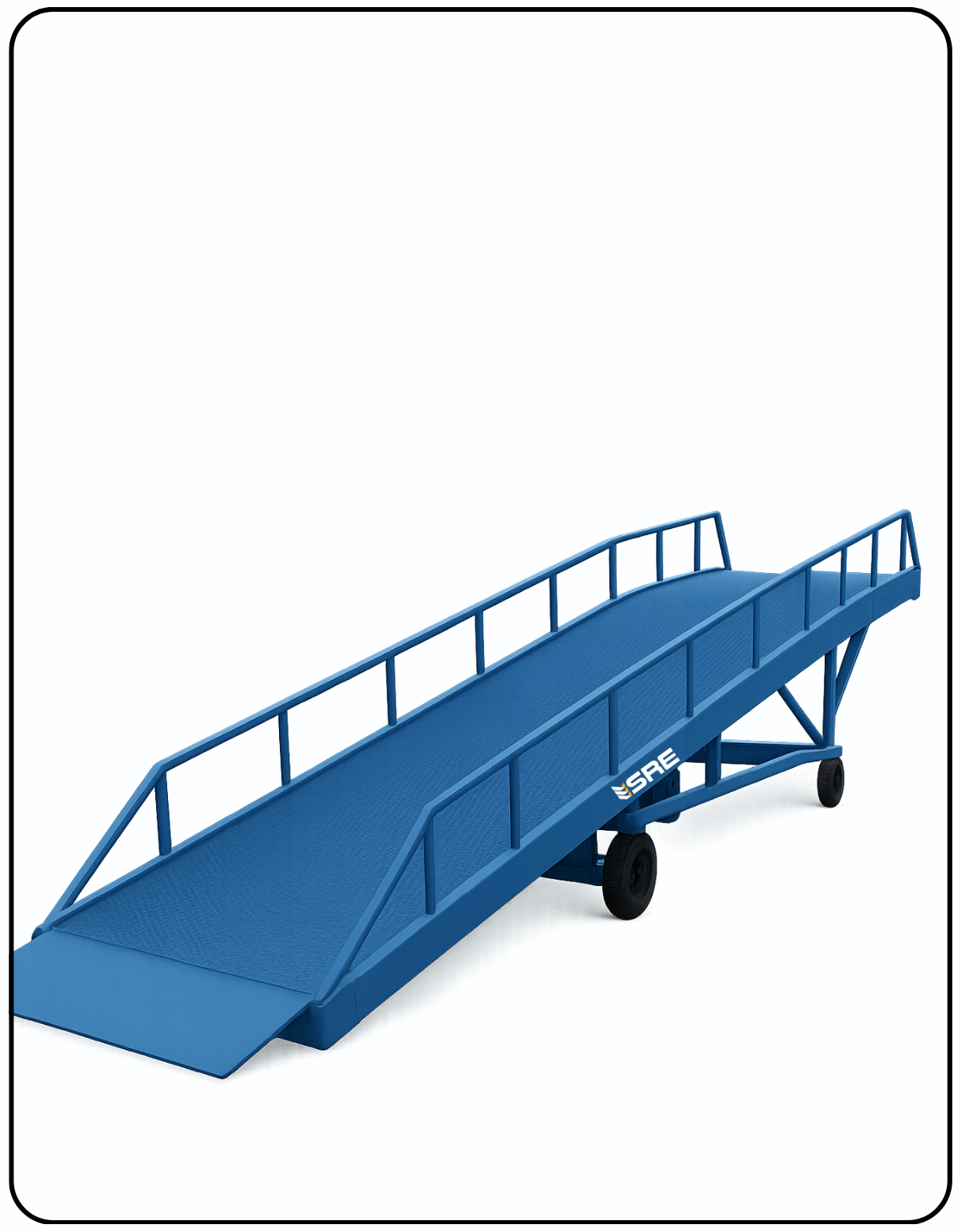
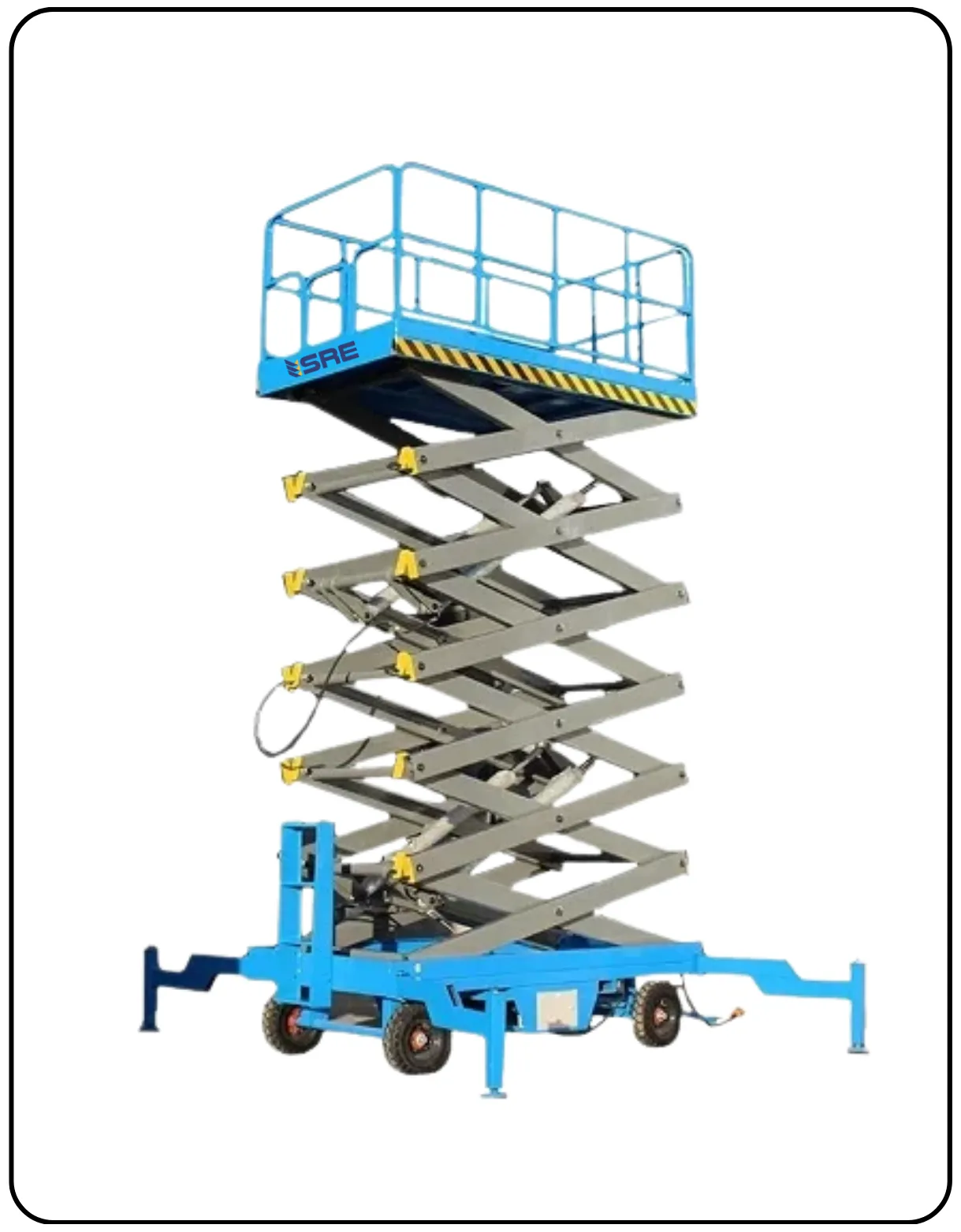
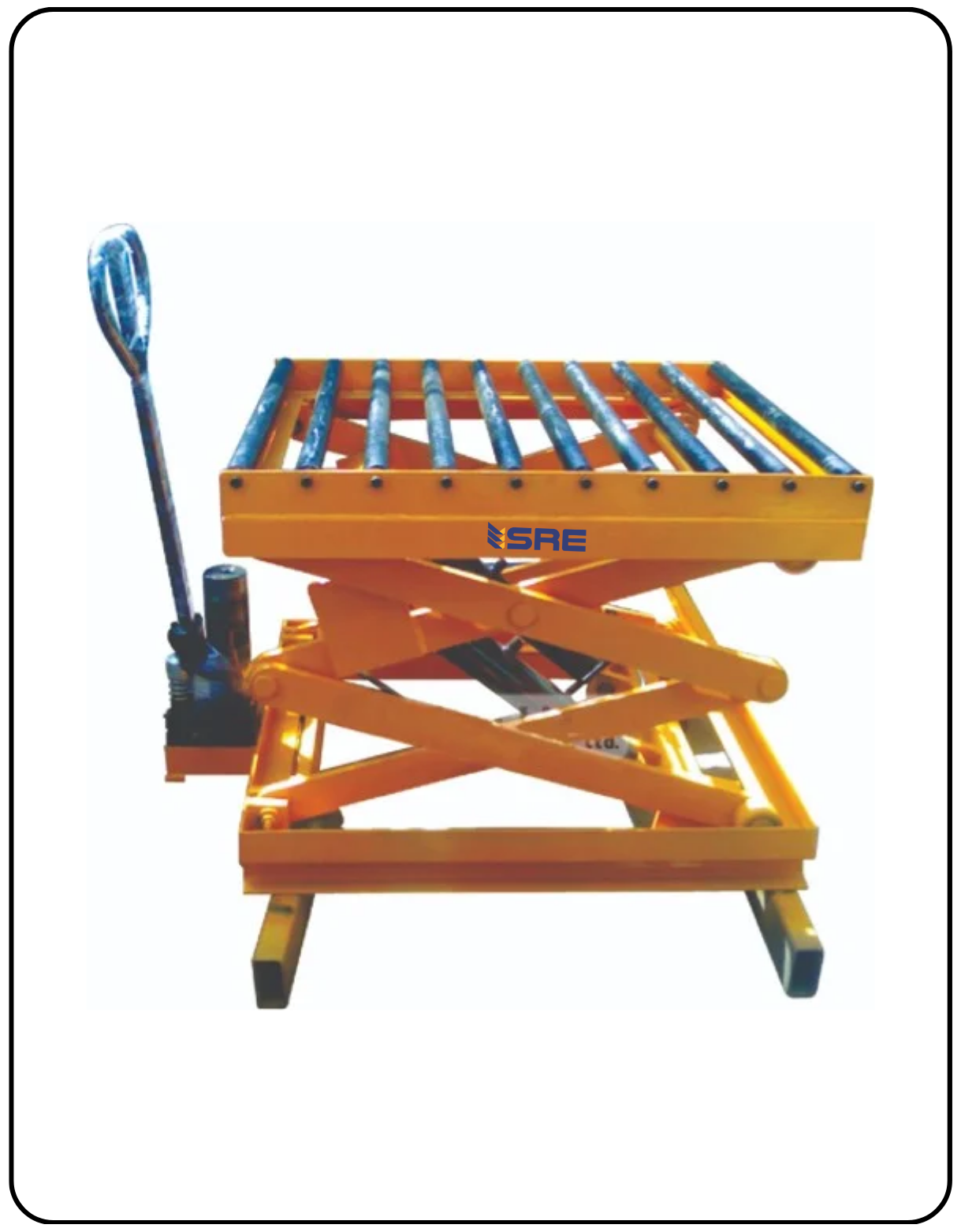
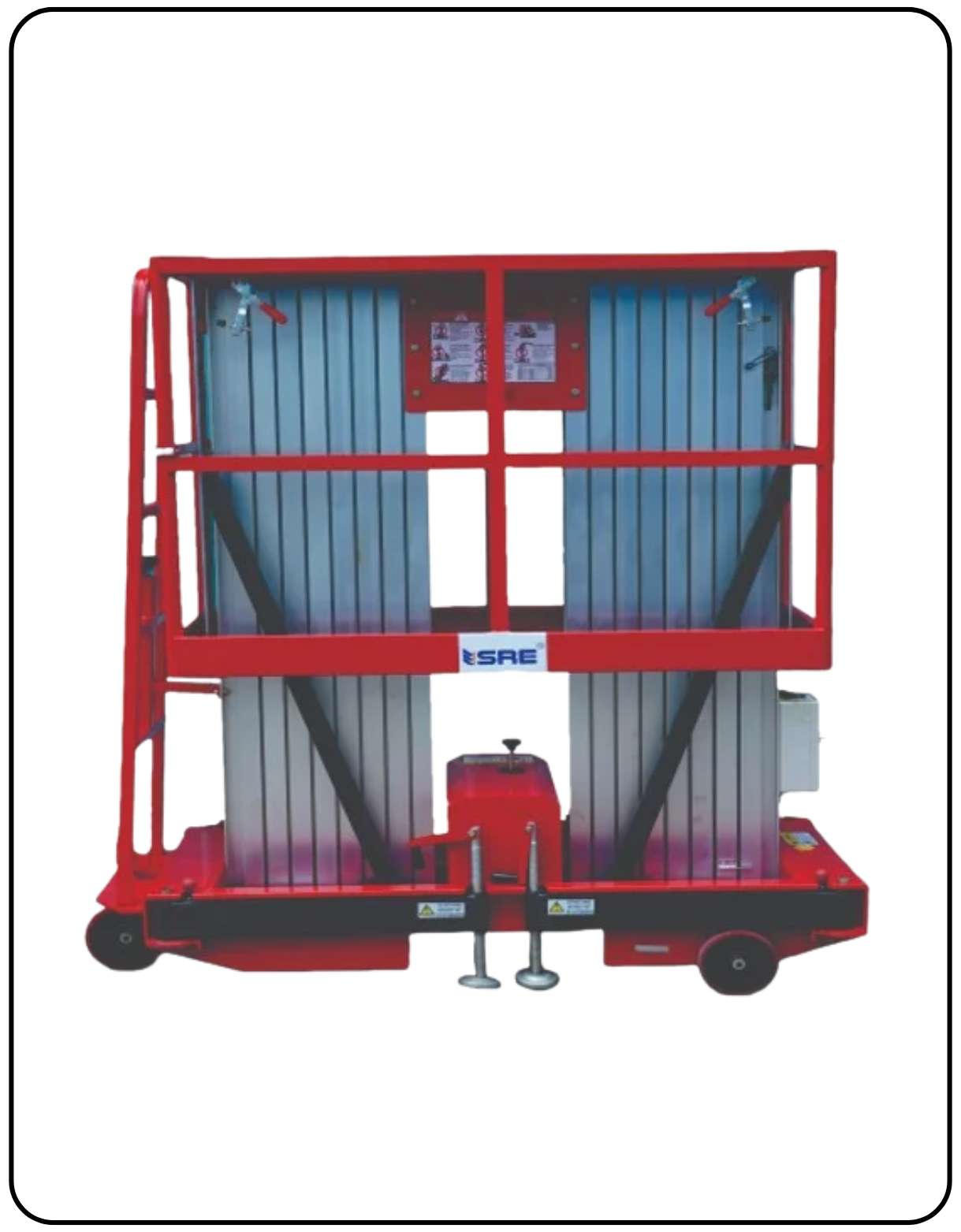
SRE Material Handling Equipment Pvt. Ltd.: Manufacturer, Supplier, And Exporter Of Mobile Ramp in India.
SRE Material Handling Equipment Pvt. Ltd., Manufacturer And Supplier Of Mobile Ramp in Mumbai.
Our Manufacturing Unit is in Ahmedabad, Vadodara, and Rajkot, Gujarat, India.
Mobile Ramps in Mumbai: A Hands-On Look for Warehouse & Industrial Settings
In the everyday work within Mumbai’s industrial zones, top performance is key to staying competitive. As the amount of goods rises and delivery times shorten, places are looking again at how things get moved between different levels. Old ways of moving things by hand can’t keep up with the need for speed, safety, and consistency. Warehouse owners, factory managers, supply chain heads, and purchasing staff are increasingly looking at Mobile Ramps in Mumbai as a workable answer to bridge height gaps without stopping work.
This piece looks at what a mobile ramp is, why it’s becoming vital in today’s industrial sites, and how those in charge can see its part in day-to-day actions.
Evolving Needs of Today’s Warehouses & Industrial Processes
The warehouse scene has changed quickly over the last ten years. The rise of online shopping, handling orders for various sales channels, and manufacturing on a tight schedule have pushed up how much needs to move through.
In actual warehouse settings, teams deal with:
- More shipments than ever before.
- Stricter delivery times are often set by what customers expect.
- Staff are getting tired from lifting and pushing repeatedly.
Blockages in the flow of work, especially where goods need to move between different heights (like loading docks, trucks, or upper floors).
Many operations still depend on fixed dock plates, hand-operated ramps, or temporary wooden structures to get around height differences when loading or unloading. These quick fixes might work sometimes—but they cause delays and safety worries when things get busy.
Enter the Mobile Ramp—a useful, flexible way to match real operational needs.
What Exactly Is a Mobile Ramp?
In simple terms used in the industry, a Mobile Ramp is a movable, sloped platform made to span a difference in height, allowing forklifts, pallet jacks, carts, and other equipment move between floor levels without needing permanent building work.
Unlike concrete ramps built in place or boards put together by hand, a mobile ramp is built for:
- Moving quickly into position
- Strong support for heavyweights
- Moving safely from one level to another
- Being easy for operators to use.
In many sites, mobile ramps act as a versatile choice where floor heights change often, or where loading docks need to work with different kinds of vehicles.
This is how people working in Mumbai, Pune, and other industrial areas actually use mobile ramps daily to cut down on idle time and reduce worker strain—it’s not just sales talk.
Why Mobile Ramps Are Replacing Older or Manual Methods?
Traditional methods—like fixed concrete ramps or wooden boards assembled by hand—don’t change and can’t adapt. In daily tasks, common problems appear:
- Manual ramps slide when under weight
- Wooden boards wear out fast and need constant swapping
- Fixed heights limit how the work can be organized
- Safety risks increase during busy periods.
Boosting Output in Daily Work
In real warehouse settings, small hitches add up fast. Think about an operator spending extra moments getting across height changes with every incoming or outgoing load. Across dozens of movements per hour, these minutes turn into major drops in productivity.
With a mobile ramp, you gain measurable benefits:
- Less time spent moving between levels
- Fewer jams at bottlenecks
- Fewer halts waiting for manual adjustments
- Quicker turnaround for getting goods in and out.
Warehouse managers note smoother processes when height changes are managed by equipment designed for the job. Operators move without issue, forklifts stay busy, and managers can predict output more accurately.
Making the Workplace Safer
Safety isn’t just an idea—in daily work, it’s about lowering problems that cause missed workdays, injuries, or gear damage.
Manual ramps and cobbled-together solutions are naturally unpredictable. Uneven footing, moving boards, and unsteady setups create dangers when operators use them repeatedly.
Mobile ramps help tackle these safety concerns by:
- Giving a solid, engineered surface that lowers the chance of slips
- Allowing careful movement of handling machines
- Reducing worker tiredness, which is linked to fewer mistakes
- Minimizing exposure to steep angle changes during busy times.
Safety leaders and operations supervisors often point to mobile ramps as a forward-thinking buy—one that fits with good ergonomic practices and rules without waiting for accidents to occur.
Handling Heavier Goods Easily
Today’s warehouses are dealing with more weight than ever before. Big shipments, dense pallets, and grouped freight mean handling machines must support heavy weights safely and effectively.
A mobile ramp designed for the purpose:
- Can handle higher-rated loads
- Keeps its structure solid over time
- Provides smooth entry for forklifts and pallet jacks when they are loaded
- Lowers the chance of the ramp bending or flexing unsafely.
In contrast, makeshift ramps might collapse under strain or wear out too quickly. For facilities moving heavier automated stocks or managing multi-level inventory, this difference in dependability directly leads to fewer work stoppages.
Technology & Workflow Effectiveness
Mobile ramps today feature smart design to support steady operation in tough workflows. Key elements include:
- Tough building materials that hold up to repeated heavy use
- Parts needing little care to cut down on service downtime
- Built-in safety features like grip surfaces and side rails (where applicable).
Making the Best Use of Space & Being Able to Move Around
Warehouses in Mumbai and other city areas often have limited room. Narrow aisles and closely packed shelves leave little area for extra structures.
A mobile ramp helps use space well because:
- It can be moved easily to fit the layout needs
- It fits into existing paths without permanent building changes
- It takes up little room when not in use
- It cuts down on the need for building fixed ramps that take up floor space.
In operations where every bit of space matters, flexible gear is better than permanent setups that limit how work flows.
Value for Money Over the Long Run
People in charge rightly check new gear based on its lasting worth. While the initial price matters, the real measure is the total cost of ownership—including downtime, labor, accidents, upkeep, and how long the equipment lasts.
Mobile ramps offer good value by:
- Lowering injuries and related costs for claims
- Reducing worker strain, which helps keep staff and boosts output
- Fewer work interruptions translate to real savings
- Durable build lowers costs for replacement and fixes.
Instead of just looking at the starting price, industrial buyers should see how a mobile ramp helps keep output steady and budgets predictable.
Being Green & Following Rules
Concerns about the environment and meeting regulations are no longer afterthoughts. Clean, safe, and compliant operations attract better partners and run into less trouble with authorities.
Mobile ramps support this outlook by:
- Cutting down on the use of temporary, wasteful items like wood boards
- Supporting ways of working that lessen strain on operators
- Reducing accidental damage to goods and waste from that damage
- Being easier to include in compliance reviews due to the designed specs.
Sites dedicated to better environmental and safety results see mobile ramps as a practical part of a workflow, ready for compliance checks.
Fitting into Warehouse or Factory Workflows
A frequent question from operations teams is: How does a mobile ramp fit with our current way of working?
In practice, mobile ramps blend well into:
- Loading and unloading spots where vehicle heights differ widely
- Upper floors need regular transitions
- Cross-docking areas where goods coming in and going out meet
- FIFO/LIFO sections where moving between levels often happens.
Good fitting starts with knowing how work is actually done—not just theory. Operations leaders should chart the main interaction points and involve floor supervisors when planning ramp placement to avoid problems.
Training, How Easy It Is to Use & Looking After It
Another benefit that often goes unsaid is how simple they are to operate. Most mobile ramps are designed so that:
- Operators need very little training
- Basic safety rules are easy to grasp
- Regular care is simple
- Parts are easy to get and service without high cost.
In daily use, this means less time spent on training, less downtime, and a team that can manage things more on its own.
Why Picking a Trustworthy Maker Is Important?
Not all mobile ramps are made the same. When looking at choices, buyers should stress:
- A track record of supplying gear for industrial settings
- The product’s build quality and proven performance in heavy-use situations
- Help after the sale for repairs and parts
- Meeting safety and load standards
- Recommendations from peers or industry contacts.
Support from a dependable maker makes a difference when work depends on machinery being ready and strong. Ask for test results, feedback from clients, and detailed specs—not just glossy brochures.
Summary:
In the daily tasks within warehouses and industrial sites, the right setup can make a big difference in output, safety, and cost. Mobile Ramps in Mumbai are not just another piece of gear—they are a practical tool that matches real operational needs.
By cutting down on manual effort, improving safety, handling heavier loads, and fitting naturally into workflows, mobile ramps solve problems that managers deal with every day.
If you are looking at ways to improve internal logistics, look into options from experienced manufacturers like SRE MATERIAL HANDLING EQUIPMENT PRIVATE LIMITED.
👉 Learn more at: https://www.sremhepvtltd.com/
FAQS
1. What industries benefit most from mobile ramps?
- Warehousing, 3PL logistics, FMCG, automotive parts distribution, cold storage, and manufacturing facilities with frequent height transitions benefit most.
2. How do mobile ramps improve operator safety?
- By providing a stable engineered surface that reduces slips, strains, and unpredictable transitions, lowering injuries over time.
3. Can mobile ramps handle heavy forklifts and loaded pallets?
- Yes, when chosen based on load ratings suited to your equipment. Ensure ratings align with expected maximum weights.
4. Do mobile ramps require specialized training?
- Basic training is sufficient. Most ramps are designed for intuitive use with minimal operator instruction.
5. How do I evaluate a supplier for mobile ramps?
- Look for industry experience, product testing documentation, references, compliance standards, and after‑sales support capabilities.
Key Takeaways
- Productivity: Mobile ramps reduce transition time and bottlenecks.
- Safety: Engineered surfaces reduce workplace injuries and strain.
- Load Handling: Suitable for heavier loads with consistent performance.
- Cost Efficiency: Long‑term savings outweigh initial costs.
- Industry Trend: Flexible, adaptable infrastructure is vital in modern operations.
#MobileRamp #WarehouseOperations #MaterialHandling #IndustrialEquipment #SafetyFirst #Productivity #MumbaiIndustry #SREMaterialHandlingEquipmentPrivateLimited #LogisticsSolutions #SupplyChainOptimization