
SRE Material Handling Equipment Pvt. Ltd.: Manufacturer, Supplier, And Exporter Of Roller Scissor Lift Table in Nashik.
SRE Material Handling Equipment Pvt. Ltd., Manufacturer And Supplier Of Roller Scissor Lift Table in Nashik.
Our Manufacturing Unit is in Ahmedabad, Vadodara, and Rajkot, Gujarat, India.
Roller Scissor Lift Table in Nashik: A Useful Answer for Today’s Industrial Issues
Industrial and storage work in cities like Nashik is seeing major shifts. Higher client demands, stricter delivery deadlines, and wider product ranges have sped up internal movement of goods. In day-to-day warehousing, teams need to move more items quickly and accurately – all while keeping things safe and comfortable for workers.
In this setting, tools that used to be extra are now essential. The Roller Scissor Lift Table is one piece of machinery that bridges the gap between manual handling limits and the need for smooth workflows. This piece explores how these lift tables offer tangible boosts in output, safety, and how efficiently things run for those making decisions – like warehouse owners, factory supervisors, operations managers, supply chain heads, and purchasing staff.
We will look at actual workflow hurdles and how a Roller Scissor Lift Table can effectively overcome them, without overstating benefits or using marketing spin.
The Evolving Requirements of Current Warehouses and Factories
In the last ten years, how goods move inside has changed a lot. Warehouses and factories are no longer just places where items wait to be collected. They are active spaces where:
Order amounts change fast because of sales across different online and physical channels
- Space is being used to its maximum
- Safety rules are stricter
The time it takes to complete tasks needs to be as short as possible to keep up with what customers want
In practice, these changes mean lifting, lowering, and moving items more often between loading bays, shelves, trucks, and processing lines. Workers frequently bend, squat, and lift heavy things – all of which lead to tiredness and a greater chance of getting hurt during a shift.
What Exactly Is a Roller Scissor Lift Table?
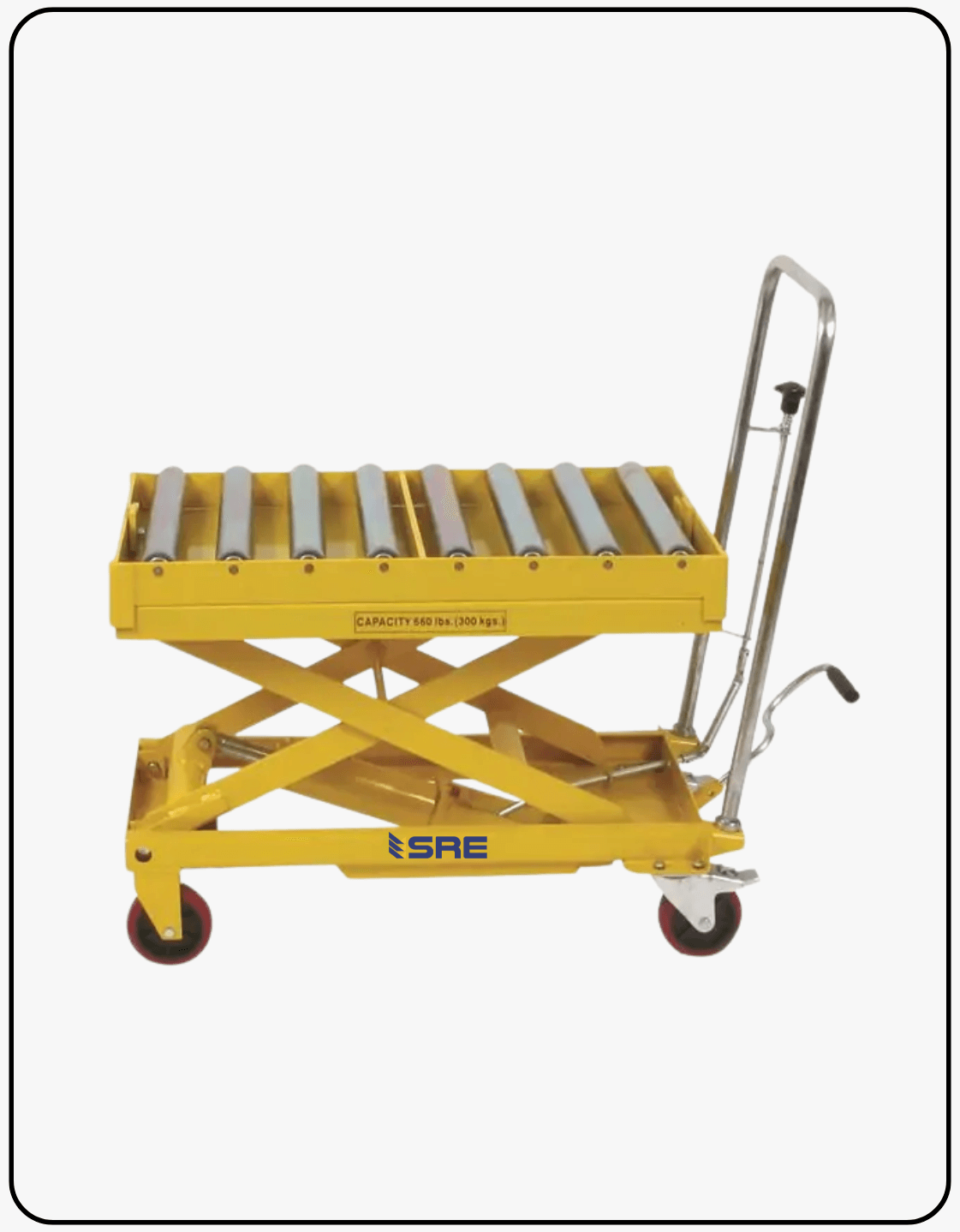
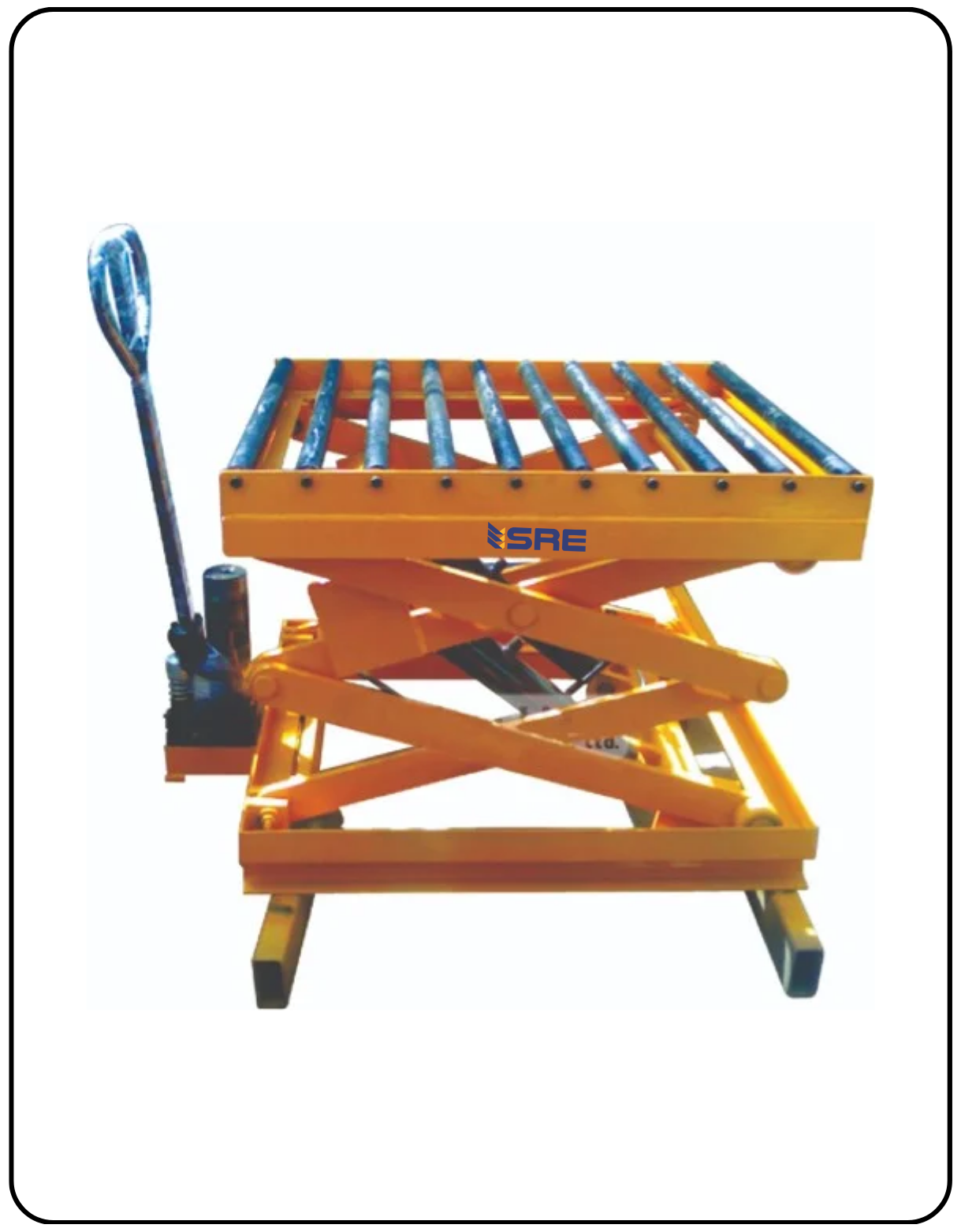
In simple terms used in warehouses and factories, a Roller Scissor Lift Table is a lifting platform that has a built-in roller conveyor or surface.
Instead of manually lifting heavier items or using strength to move them up or down:
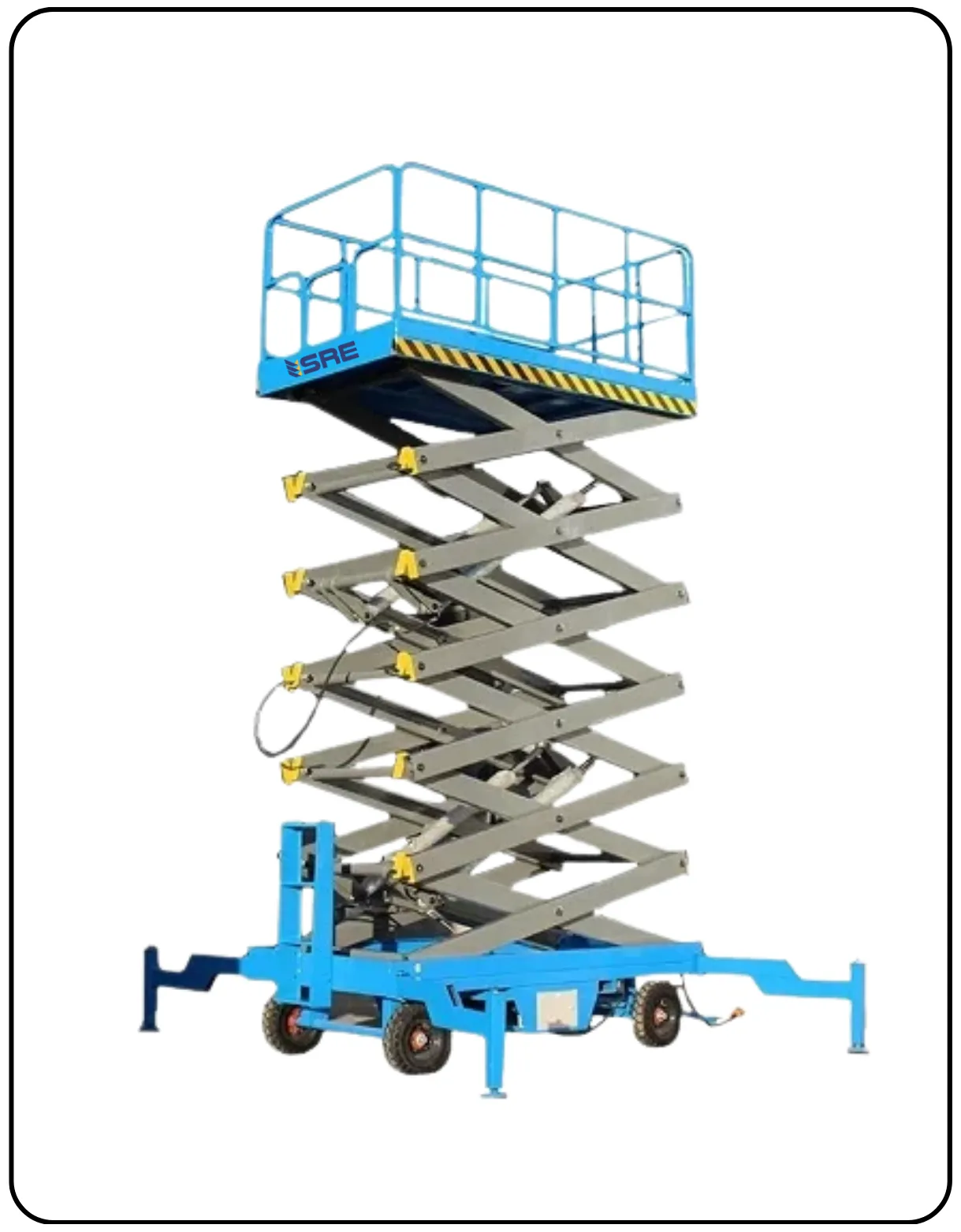
- The scissor mechanism raises or lowers the platform to the right height
- The roller surface allows items to roll, using less effort to push or pull
It’s powered by hydraulics, electricity, or mechanics depending on the model and the site’s needs
Why Roller Scissor Lift Tables Are Replacing Manual Techniques?
For many years, teams have relied on lifting by hand, pallet jacks, and temporary ramps for moving loads.
In routine warehouse tasks, lifting and pushing by hand often causes significant fatigue throughout a shift. Even with experienced and well-trained teams, the risk of injury stays high because no person can handle repetitive heavy loads without strain.
In contrast, a Roller Scissor Lift Table replaces guesswork with controlled movement. It lessens awkward body positions, reduces the need for raw strength, and helps maintain steady performance across all shifts – not just the first one.
Increases in Efficiency in Daily Work
In warehouses and factories, time directly impacts what gets done. A task that takes just a few extra seconds each time adds up quickly over a day, week, or month.
Saving Time
In actual work situations:
- Staff do not need to adjust their posture repeatedly
- Lift tables can be set to the best height for receiving, packaging, loading, or unloading
- Moving items from conveyors to pallets becomes smoother
For instance, instead of manually lifting and lining up boxes from a conveyor onto a pallet stack, a Roller Scissor Lift Table raises the pallet to the conveyor’s level. With the rollers, the box slides effortlessly onto the pallet.
This method cuts down on wasted motion – a key idea emphasized by those focused on lean operations.
Better Safety in the Workplace
One of the most crucial measurements in supply chain work is safety performance. Accidents not only have a human cost but also affect:
- How much gets done due to time lost
- Costs related to insurance and compensation
- The mood and how long staff stay with the company
Handling Heavier Loads More Easily
Warehousing today often involves heavier pallets, bulk packaging, and handling mixed stock – all of which make load challenges greater.
Roller Scissor Lift Tables are built to manage heavier loads because:
- The scissor frame spreads the weight out well
- Strong rollers help with smooth movement
- Safety features stop sudden drops
Unlike a manual pallet jack or a makeshift ramp, these tables offer steadiness and predictability. When teams know the weight is safely supported, they can concentrate on doing the task well rather than worrying about balance or if a load might slip.
For example, during the unloading process, items arriving from larger trucks in mixed batches can be prepared efficiently without relying too much on muscle or temporary supports. This improves how efficiently work flows, which factories and warehouses can measure through data on loading times and accident reports.
Technology and How Well Work Gets Done
Although the basic idea behind a Roller Scissor Lift Table is simple, how it’s actually used is important.
Modern versions might have:
- Electric or battery-driven lifting for smooth, consistent movement
- Hydraulic systems for lifting heavy weights with little upkeep
- Controls placed conveniently so teams can operate them safely without extensive instruction
What matters to those in charge of operations is that the equipment keeps working and is dependable. A lift table should:
- Need very little time out of service for maintenance
- Connect easily with existing power sources
- Work consistently over multiple shifts
In everyday warehouse settings, these practical points determine whether the equipment becomes a hindrance or something that boosts output.
Making the Best Use of Available Space and Moving It Around
Floor space in a warehouse is valuable. A Roller Scissor Lift Table adds value without taking up too much room. Its compact size allows for:
- Placement near where conveyors join
- Use in tighter passageways
- Flexible positioning near packaging or preparation areas
This adaptability is important for facilities with limited floor space or complex internal routes. Instead of moving goods long distances between fixed machines, teams can bring ergonomic handling tools closer to where the work is actually done.
Cost Effectiveness Over Time
A frequent error in purchasing discussions is assuming that a low initial price means good long-term value. In fact, assessing cost should consider:
- Fewer injuries and days missed from work
- Higher output rates
- Reduced need for overtime by clearing bottlenecks
- Less wear and tear on other equipment compared to the strain of manual work
For example, if manual methods add two extra minutes per pallet in handling time, this can result in hours of lost output per week in a busy warehouse. When added up over months and shifts, the operational cost far exceeds the initial expense for the equipment.
Environmental Friendliness and Following Rules
Today’s warehouse leaders are more aware of sustainability and workplace rules than ever before. A Roller Scissor Lift Table helps with this in several ways:
- Energy efficiency (especially in electric versions)
- Cleaner operations with less dust and debris stirred up manually
- Compliance with ergonomic and safety regulations
These points might not always be at the top of a purchasing list, but they play a part in environmental, health, and safety checks, as well as keeping employees happy.
Fitting In with Warehouse and Factory Processes
Bringing in new equipment at a site should support existing ways of working – not cause problems.
A Roller Scissor Lift Table generally fits well with:
- Conveyor setups
- Packaging or assembly points
- Receiving and shipping zones
- Automated storage and retrieval routes
In operations where conveyors bring goods to a central spot, the lift table acts as the comfortable connection point. It lets goods move between different material handling zones without manual lifting and relocating.
This smooth integration reduces the chance of mistakes, delays, or damage during transfers – an important factor for operations focused on quality.
How Easy It Is to Learn, Use, and Maintain?
A benefit often overlooked in planning operations is how quickly teams start using new equipment effectively.
Roller Scissor Lift Tables generally need:
- Very little initial instruction
- Simple controls
- Easy visual checks for maintenance needs
Why Picking a Dependable Maker Counts?
For operations leaders, the choice of manufacturer isn’t just about the name – it’s about the quality, support services, adherence to standards, and real-world experience.
With industrial machinery:
- How well it’s built determines how long it lasts
- Having local service available impacts how long downtime lasts
- Following safety standards protects operations
Decisions about equipment should focus on these practical aspects rather than just promotional statements.
Conclusion:
In the everyday work of warehouses and factories, small improvements in handling, safety, and how well things fit into the workflow lead to significant performance gains over time. A Roller Scissor Lift Table isn’t an extra perk – it’s a practical answer to age-old issues of worker fatigue, safety concerns, and inefficiency.
By emphasizing ergonomic movement, controlled lifting, and smooth integration with conveyor and staging processes, these lift tables help teams work more smartly without unnecessary strain.
If your operation in Nashik is looking at ways to improve how items move inside and how effective material handling is, a Roller Scissor Lift Table is definitely worth serious thought.
To find out about dependable choices and practical advice matched to your needs, contact SRE MATERIAL HANDLING EQUIPMENT PRIVATE LIMITED — a partner with experience in providing industrial handling solutions that match the real needs of warehouses.
Key Takeaways
- Productivity: Reduces handling time and streamlines load transfers.
- Safety: Improves ergonomic conditions and reduces injury risk.
- Load Handling: Supports heavier loads with stability and control.
- Cost Efficiency: Delivers measurable savings over time through reduced strain and downtime.
- Industry Trend: Aligns with modern warehouse needs for safer, more efficient material handling.
FAQS
1. Is a Roller Scissor Lift Table suitable for high‑volume warehouse operations?
- Yes. In facilities with frequent lifting and transferring tasks, these tables help standardize motion and reduce bottlenecks.
2. How does it improve worker safety?
- By minimizing manual bending, lifting and pushing efforts, it alleviates strain and reduces injury risk.
3. What load capacities are typical?
- Capacities vary by model, but modern tables are designed to handle a range of weights appropriate for palletized goods and industrial loads.
4. Can it be integrated with existing conveyor systems?
- Yes. The roller surface is compatible with conveyor transitions, making integration into workflows smoother.
5. Does the table require specialized training?
- Basic operation training is usually sufficient, and maintenance is predictable and simple.
#RollerScissorLiftTable #WarehouseEfficiency #MaterialHandling #IndustrialSafety #Ergonomics #SREMaterialHandlingEquipmentPrivateLimited