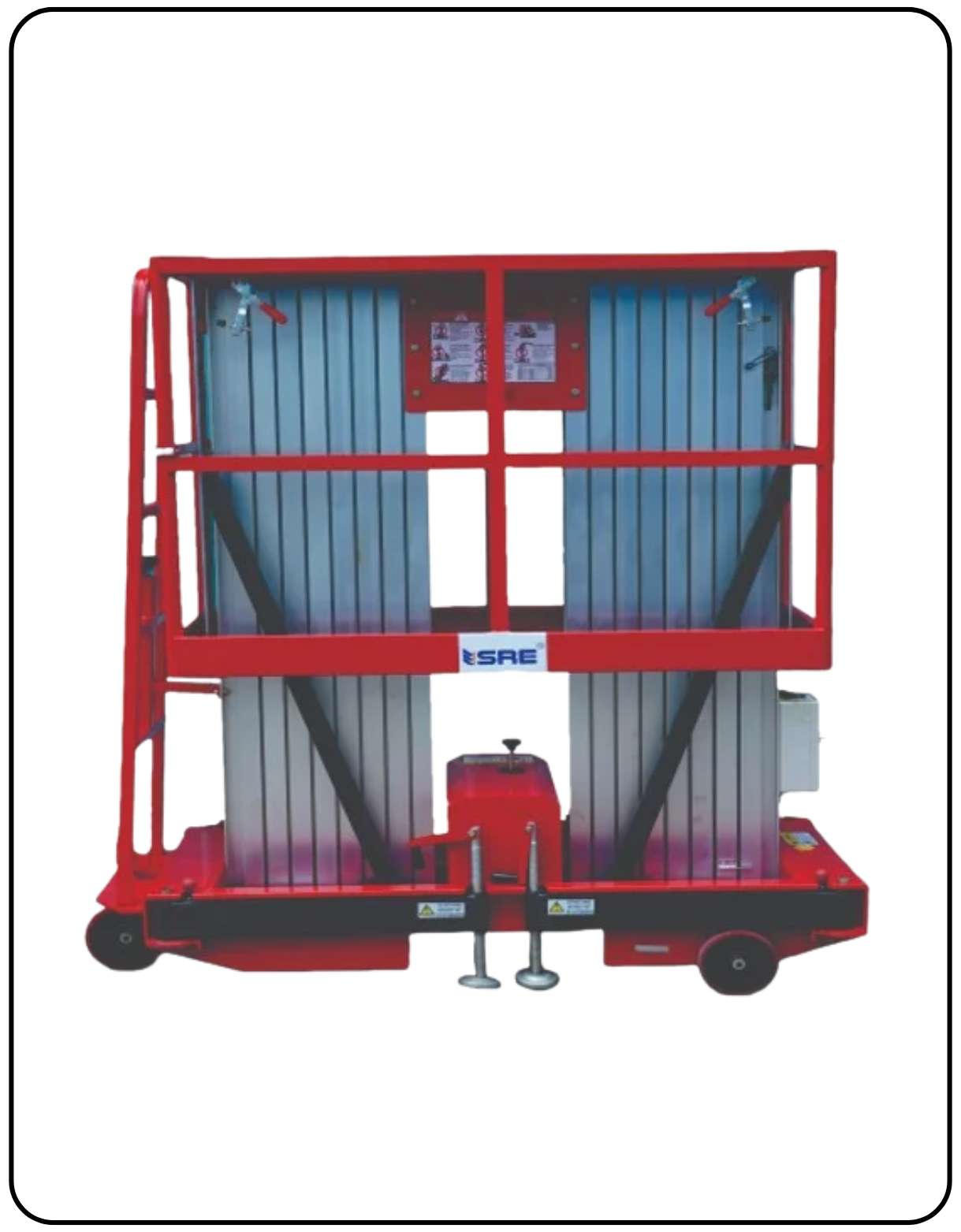
SRE Material Handling Equipment Pvt. Ltd.: Manufacturer, Supplier, And Exporter Of Semi Electric Stacker in India.
SRE Material Handling Equipment Pvt. Ltd., Manufacturer And Supplier Of Semi Electric Stacker in Mumbai.
Our Manufacturing Unit is in Ahmedabad, Vadodara, and Rajkot, Gujarat, India.
Semi-Electric Stacker in Mumbai: A Practical Guide for Modern Warehouse Operations
In daily warehouse operations across Mumbai, the pressure to move goods faster, safer, and with fewer errors keeps rising. Facilities are handling higher volumes, tighter delivery windows, and more varied SKUs than ever before. At the same time, labor availability fluctuates, fatigue is real, and safety expectations are stricter. In this environment, a Semi Electric Stacker has become a practical middle ground between fully manual equipment and fully powered trucks. It helps teams lift and position loads more consistently without turning every internal move into a physically demanding task.
This article looks at where semi-electric stackers actually fit in modern industrial workflows. It is written for warehouse owners, factory managers, operations heads, supply-chain leaders, and procurement teams who deal with real constraints: space, safety, uptime, training time, and long-term operating costs.
The Changing Needs of Modern Warehouses and Industrial Facilities
Mumbai’s industrial zones and logistics hubs are moving faster than they did even five years ago. E-commerce fulfillment, just-in-time production, and multi-location distribution models have increased internal material movement. Loads that were once shifted a few times a day now move continuously across shifts.
In many facilities, the internal workflow is no longer linear. Pallets move from receiving to inspection, then to storage, then to picking zones, and finally to dispatch. Good Lift Each handoff adds pressure on equipment and people. Manual handling tools struggle to keep up with these multi-touch workflows.
Operations teams often report three recurring challenges:
- Throughput bottlenecks at the stacking and de-stacking points
- Fatigue and strain among operators over long shifts
- Limited space in aisles and staging zones
These are not abstract problems. They show up as delays, small safety incidents, and inconsistent output between shifts.
What Is a Semi Electric Stacker?
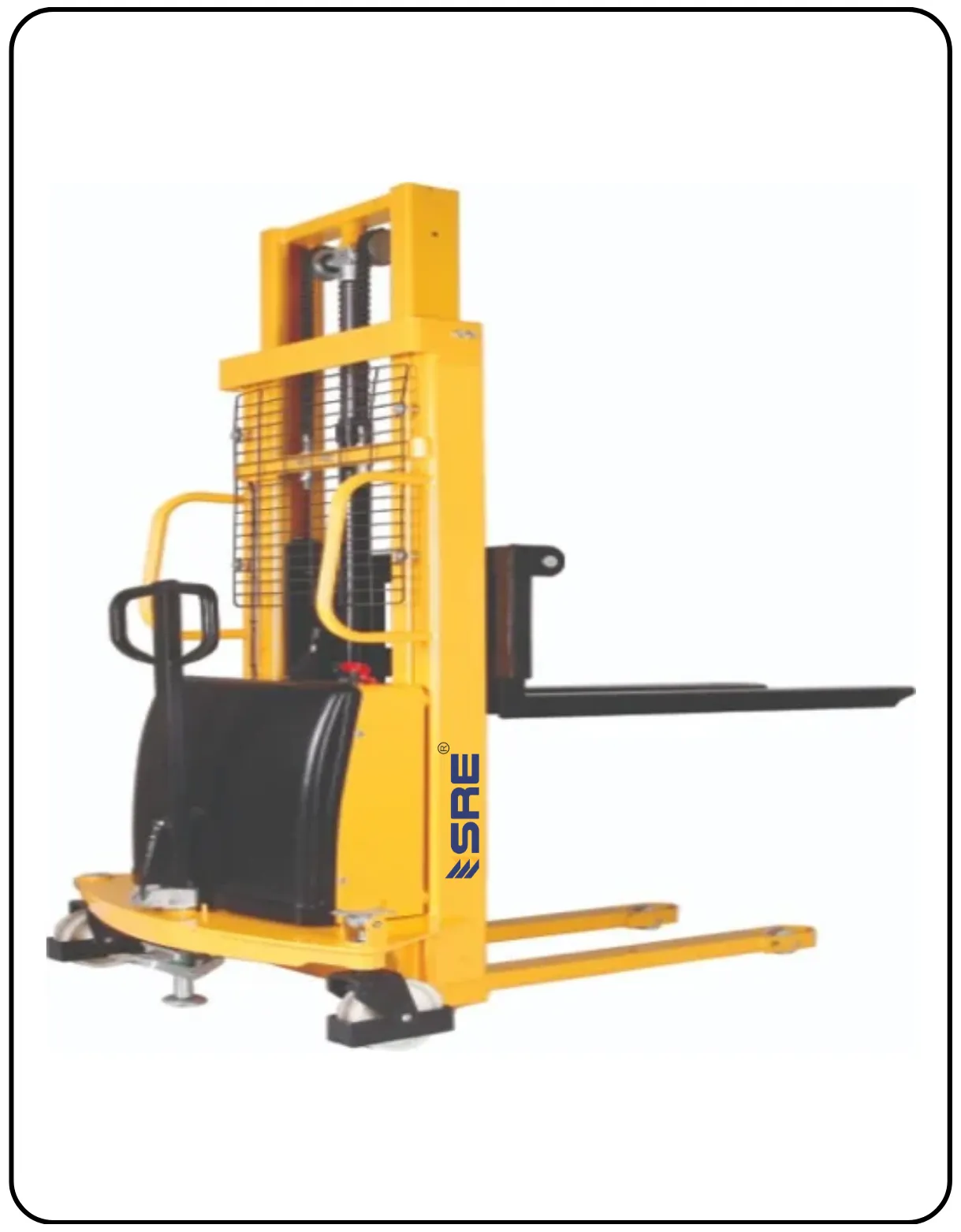
A semi-electric stacker is best understood in practical terms, not brochure language. It is a stacker where lifting is powered, but movement is typically manual. The operator positions the unit by hand and uses the electric lift to raise or lower loads.
In real warehouse settings, this means:
- Less physical effort when lifting pallets to racking heights
- More control when aligning loads at storage locations
- Simpler operation compared to fully powered stackers
It does not replace forklifts in heavy-duty, high-throughput zones. Instead, it Hydraulic Stacker fills the gap where manual stackers create fatigue and powered trucks feel oversized or costly for the task.
Why is the Semi-Electric Stacker Replacing Traditional and Manual Equipment?
Manual pallet stackers and hand-operated lifts still exist in many facilities. They are affordable and familiar. But over time, their limitations become clear.
Manual lifting requires repeated physical effort. Across an 8–10-hour shift, this leads to fatigue. Fatigue leads to slower movements and, eventually, a higher risk of mistakes. Even careful operators lose consistency as the day goes on.
A Semi Electric Stacker changes this pattern. Because lifting is powered, operators focus on positioning and alignment rather than exertion. Output becomes more consistent across shifts. Teams notice fewer pauses between cycles and less dependence on physical strength.
This shift is not about speed alone. It is about keeping performance steady over long operating hours.
Productivity Gains in Daily Operations
Productivity improvements are rarely dramatic in one day. They accumulate over weeks.
In daily warehouse operations, powered lifting reduces the time spent on each stacking cycle. Operators no longer need to pump or strain to raise loads. Over hundreds of cycles, this translates into measurable time savings.
More importantly, consistency improves. Morning shifts and late shifts begin to look similar in output. Supervisors report fewer slowdowns toward the end of the day. In environments where dispatch windows are tight, this reliability matters as much as raw speed.
Improved Workplace Safety
Safety improvements are one of the quieter benefits of powered lifting.
Manual lifting tools place strain on the shoulders, lower back, and wrists. Over time, this strain contributes to minor injuries and long-term musculoskeletal issues. Even when incidents are not reported, fatigue increases the chance of dropped loads or unstable positioning.
With a powered lift, loads move in a more controlled, predictable way. The operator’s role becomes guiding and stabilizing rather than lifting. This reduces sudden jerks and uneven movements.
From a practical safety standpoint:
- Operators maintain better posture
- Loads are raised and lowered smoothly.
- Risk of overexertion injuries declines.
This does not remove the need for safety training, but it makes safe handling easier to maintain.
Handling Heavier Loads with Ease
Modern warehouses handle a wider range of loads than before. Mixed pallets, irregular packaging, and varying weights are common.
Manual equipment often reaches its practical limit with heavier loads. Operators may avoid lifting to higher levels simply because of effort. This leads to inefficient use of vertical space.
A semi-electric stacker allows heavier pallets to be lifted with controlled power. Stability during lifting is more predictable. Operators can place loads at required heights without compensating for fatigue or strength differences.
This capability supports better space utilization and reduces the temptation to “park” heavier items at floor level to avoid effort.
Technology and Operational Efficiency
From an operational perspective, the technology behind semi-electric stackers is simple and reliable. Battery-powered lifting systems are designed for repeated daily use.
What matters in real facilities is not advanced features but uptime. Equipment that requires constant troubleshooting becomes a liability. Semi-electric stackers tend to have fewer complex systems than fully powered trucks, which can translate into more predictable availability.
For operations teams, this means:
- Easier scheduling of maintenance
- Fewer unexpected stoppages
- More confidence in planning daily workflows
Reliability at this level supports smoother internal logistics without adding technical burden to maintenance teams.
Space Optimization and Maneuverability
Many warehouses in Mumbai operate within tight footprints. Real estate constraints often limit expansion. As storage density increases, aisle widths shrink.
Compact equipment becomes essential. Semi-electric stackers are generally designed for narrow aisles and confined staging areas. Operators can maneuver them in spaces where forklifts would struggle or be unsafe.
This maneuverability supports:
- Better use of vertical racking
- Reduced congestion in pick zones
- Smoother flow in mixed-use aisles
Over time, these small spatial efficiencies improve overall throughput without structural changes.
Cost Efficiency Over Time
Procurement decisions are often driven by upfront cost. But operational leaders look at total cost over time.
Manual equipment is cheaper to buy, but it carries hidden costs:
- Higher fatigue leads to slower output
- Greater risk of minor injuries
- Inconsistent productivity across shifts
Fully powered equipment offers higher throughput but comes with a higher purchase cost and maintenance complexity.
A Semi Electric Stacker sits between these extremes. Over time, reduced fatigue, fewer minor injuries, and steadier output contribute to lower indirect costs. Downtime related to overworked staff or equipment misuse also tends to decline.
This long-term perspective is often what justifies the investment in mid-level mechanization.
Sustainability and Compliance
Industrial facilities are under growing pressure to improve environmental performance and comply with safety standards.
Battery-powered lifting systems produce no on-site emissions. This supports cleaner indoor air quality, which matters in enclosed warehouses. Energy use is predictable and easier to manage than fuel-based alternatives.
From a compliance mindset, semi-electric stackers align with ergonomic guidelines by reducing manual strain. This supports occupational health standards and internal safety audits.
Sustainability in this context is less about marketing claims and more about creating a cleaner, safer operating environment.
Integration with Warehouse and Factory Workflow
Equipment only adds value when it fits into existing workflows. Semi-electric stackers integrate well with common warehouse processes:
- Receiving and put-away
- Replenishment of pick faces
- Movement between production and storage zones
They do not require major layout changes. Teams can introduce them gradually, replacing manual stackers in the most physically demanding areas first. This phased approach reduces disruption and allows operators to adapt naturally.
Training, Ease of Use, and Maintenance
One reason semi-electric stackers gain acceptance on the floor is their simplicity.
Operators familiar with manual stackers adapt quickly. The learning curve is short because the basic handling logic remains the same. Training focuses on safe lifting controls and battery management rather than complex driving systems.
Maintenance is typically predictable. Routine checks, battery care, and basic mechanical inspection keep units operational. For maintenance teams already stretched thin, this simplicity is a practical advantage.
Why Choosing a Reliable Manufacturer Matters?
The performance of a stacker in daily use depends heavily on build quality and service support. Components face constant stress in industrial environments. Poorly built equipment shows wear quickly.
Choosing a manufacturer with experience in material handling equipment reduces risk. Service availability, spare parts support, and compliance with safety standards matter more over time than initial specifications.
In the Indian context, working with established suppliers such as SRE MATERIAL HANDLING EQUIPMENT PRIVATE LIMITED can provide operational continuity. Reliable service networks and familiarity with local operating conditions help ensure that equipment remains usable over its working life. You can review their product range and technical resources at https://www.sremhepvtltd.com/.
Conclusion:
Warehouses and factories in Mumbai are under constant pressure to move more goods with fewer disruptions. Manual handling tools alone struggle to meet these demands without increasing fatigue and risk. Fully powered equipment is not always practical for every zone or budget.
A Semi Electric Stacker offers a balanced option. It reduces physical strain, improves consistency across shifts, and fits into tight operational spaces. Over time, these practical benefits support safer workflows and steadier productivity. For operations teams planning gradual modernization, this category of equipment is often a sensible step forward.
Key Takeaways
- Productivity: Powered lifting improves consistency across shifts and reduces cycle time.
- Safety: Reduced manual strain lowers injury risk and improves load control.
- Load Handling: Heavier and varied loads can be handled more reliably.
- Cost Efficiency: Long-term value comes from reduced fatigue, downtime, and minor injuries.
- Industry Trend: Mid-level mechanization is becoming standard in modern warehouses.
FAQS
Q1: Is a semi-electric stacker suitable for narrow aisles in Mumbai warehouses?
- Yes. Most models are designed for compact spaces and work well in narrow aisles where forklifts may be impractical.
Q2: How does a semi-electric stacker compare with a forklift for internal movement?
- Forklifts suit high-throughput, heavy-duty zones. Semi-electric stackers are better for lighter internal movements, replenishment, and confined areas.
Q3: What kind of training is required for operators?
- Basic operational and safety training is usually sufficient. Operators familiar with manual stackers adapt quickly.
Q4: How does battery reliability affect daily operations?
- With routine charging and simple maintenance, battery-powered lifting systems offer predictable uptime for typical warehouse shifts.
Q5: Are semi-electric stackers compliant with workplace safety standards?
- They support ergonomic handling and controlled lifting, which aligns with common safety and compliance expectations when used correctly.
#SemiElectricStacker #MumbaiWarehousing #MaterialHandlingEquipment #WarehouseOperations #IndustrialLogistics #SupplyChainIndia #SREMaterialHandlingEquipmentPrivateLimited