
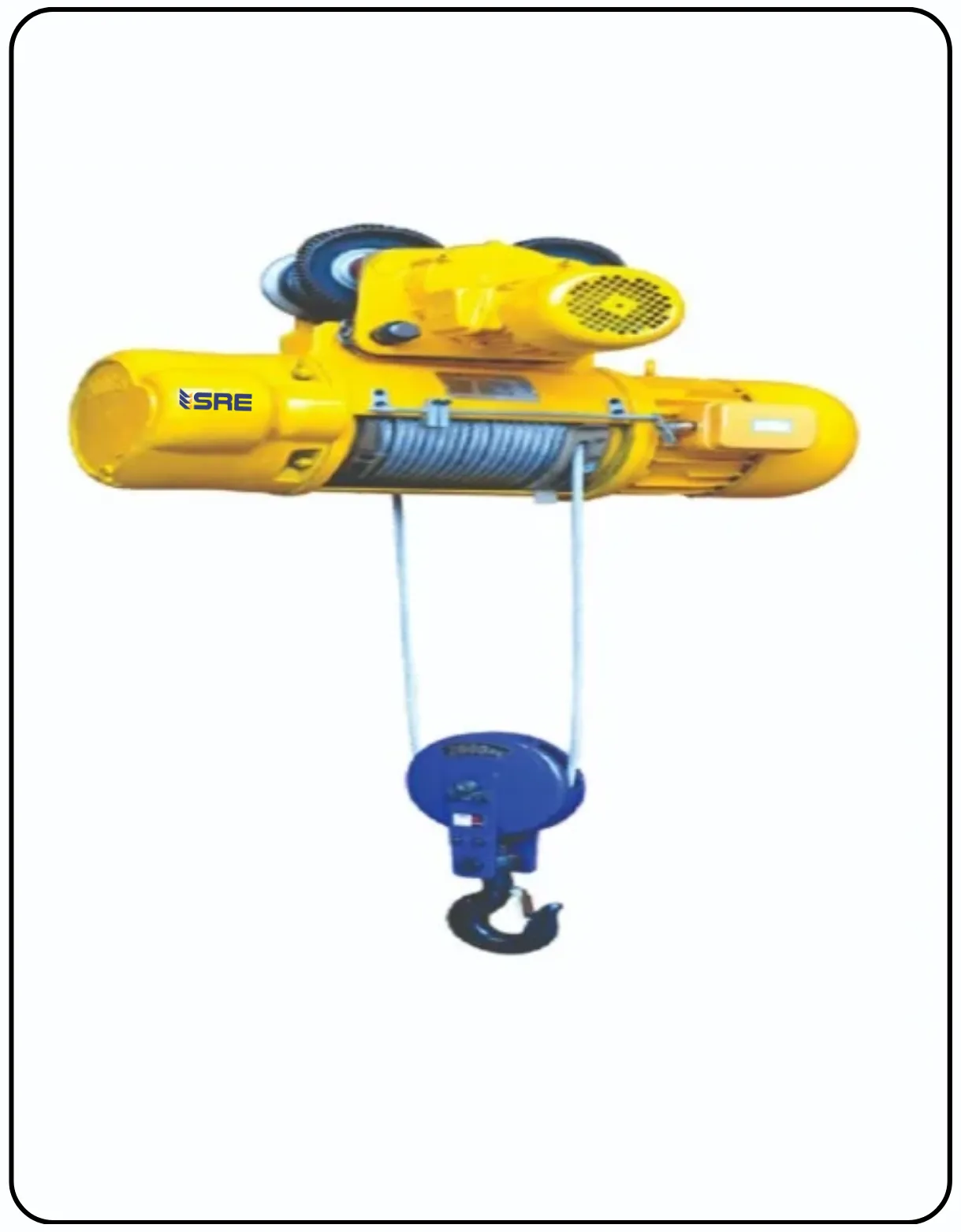
SRE Material Handling Equipment Pvt. Ltd.: Manufacturer, Supplier, And Exporter Of Wire Rope Hoist in India.
SRE Material Handling Equipment Pvt. Ltd., Manufacturer And Supplier Of Wire Rope Hoist in Mumbai.
Our Manufacturing Unit is in Ahmedabad, Vadodara, and Rajkot, Gujarat, India.
Wire Rope Hoist in Mumbai: A Practical Guide for Warehouse & Industrial Operations
In today’s high‑pace industrial landscape, warehouse and factory operations in Mumbai are under constant pressure to handle larger volumes, tighter deadlines, and stricter safety standards. Gone are the days when manual lifting and primitive equipment could keep up with operational demand. In daily warehouse operations, managers increasingly face challenges related to speed, labor fatigue, safety, and workflow consistency. These challenges directly impact throughput, employee well‑being, and ultimately, the bottom line.
It’s in this context that Wire Rope Hoist solutions have emerged as a practical and reliable answer — not just to move heavy loads, but to support modern operational goals like efficiency, safety, and sustained productivity. For industrial decision‑makers — including warehouse owners, factory managers, operations heads, supply‑chain leaders, and procurement teams — understanding the real operational value of a wire rope hoist is essential before committing budget and space allocation.
This blog explores what wire rope hoists are, why they’re gaining traction in places like Mumbai’s industrial zones, and how they help address everyday challenges with practical, measurable benefits.
The Changing Needs of Modern Warehouses & Industries
Warehouse and industrial operations have evolved dramatically in recent years. E‑commerce growth, just‑in‑time manufacturing, and global supply chain complexities have driven up throughput expectations. Today’s facilities must handle:
- Larger shipment volumes per shift
- Faster turnaround from receiving to dispatch
- High‑density storage and narrow‑aisle maneuvering
- Frequent material movement between process stages
In a typical day, workers may need to move pallets, machinery parts, or bulk materials across different sections of the facility. Traditional approaches — manual lifting, forklifts, or basic chain blocks — often struggle with consistency, speed, and safety.
For many industrial teams in Mumbai, the challenge isn’t just lifting heavy items; it’s about doing it repeatedly and reliably without slowing down the workflow or risking injury. This is where the right material handling equipment becomes a strategic operational asset, not a luxury.
What Is a Wire Rope Hoist?
In simple industrial terms, a Wire Rope Hoist is a mechanical lifting device designed to raise, lower, or move loads using a steel wire rope wound around a drum. It works in conjunction with overhead beams, gantries, or cranes to enable controlled movement of heavy items.
Unlike a chain hoist that uses metal chain links, a wire rope hoist uses robust steel wire strands, giving it distinct advantages in strength, durability, and smooth operation — especially under high cycle use or heavier load categories.
In everyday warehouse language, think of a wire rope hoist as an “industrial lift system” that does the weighty work so your team doesn’t have to. It’s less about gimmicks and more about dependable service in environments where loads, schedules, and safety standards never take a day off.
Why is the Wire Rope Hoist Replacing Traditional / Manual Equipment?
Modern industrial workflows demand consistency and repeatability. Manual methods and older equipment can contribute to:
- Worker fatigue and strain
- Unplanned downtime due to equipment failure
- Bottlenecks at key transfer points
- Variable load control
In daily operations, a wire rope hoist reduces reliance on brute muscle power and informal lifting techniques. It creates predictable, repeatable movements that improve workflow consistency across shifts.
For example, where workers once struggled with a heavy chain block to lift motors or spare components, a wire rope hoist enables smoother handling with minimal physical effort. This isn’t about replacing workers — it’s about enabling them to focus on value‑added tasks rather than physically exhausting routines.
Productivity Gains in Daily Operations
In warehouse and factory environments, time is measurable. Every minute spent wrestling with a load is a minute diverted from productive work.
Here’s how a wire rope hoist delivers real operational benefits:
- Faster load cycles: Smooth and controlled lifting cuts time per operation.
- Consistent output: Same performance across morning and night shifts.
- Reduced wait times: Less backlog at loading and unloading points.
- Better coordination: Forklift operators and floor workers can work in sync with hoist movements.
In a facility handling hundreds of lifts per day, these savings quickly add up. It’s common to see measurable improvements in throughput within weeks of integrating a wire rope hoist into regular workflows — not through hype, but through lower idle times and smoother transitions.
Improved Workplace Safety
Safety isn’t a slogan — it’s a measurable KPI for every industrial team. In daily warehouse operations, manual lifting and ad‑hoc load handling are among the most frequent causes of musculoskeletal injuries.
Wire rope hoists help mitigate these risks by providing:
- Controlled vertical and horizontal movement
- Stable handling that minimizes load swing
- Ergonomic operation that reduces strain on workers
For example, operators can precisely position equipment or material without awkward lifting angles. This reduces acute injuries and cumulative fatigue — a factor that often goes unnoticed until it shows up as absenteeism or reduced shift performance.
Moreover, modern hoist designs often include safety stops, overload alert systems, and smooth braking mechanisms — all of which contribute to a safer work environment without compromising throughput.
Handling Heavier Loads with Ease
One of the most straightforward reasons procurement teams consider wire rope hoists is their superior load‑handling capability.
In real operations, heavier loads aren’t just “big.” They’re awkward, unbalanced, and sometimes irregularly shaped. Lifting such loads manually or with lightweight tools isn’t just inefficient — it’s unsafe.
Wire rope hoists are engineered to handle heavier capacities with:
- Rigidity and minimal stretch
- Stability under load
- Better control during acceleration and deceleration
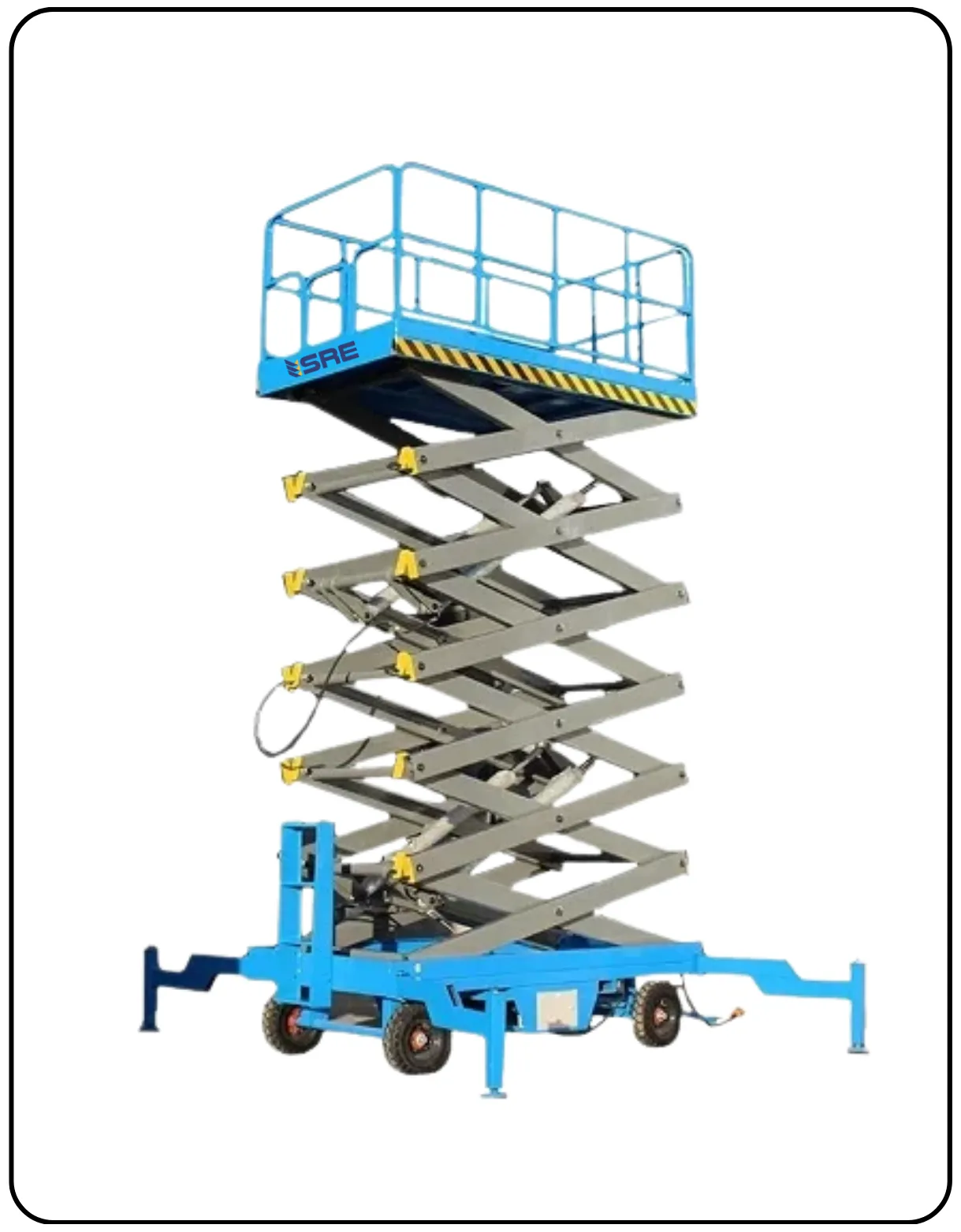
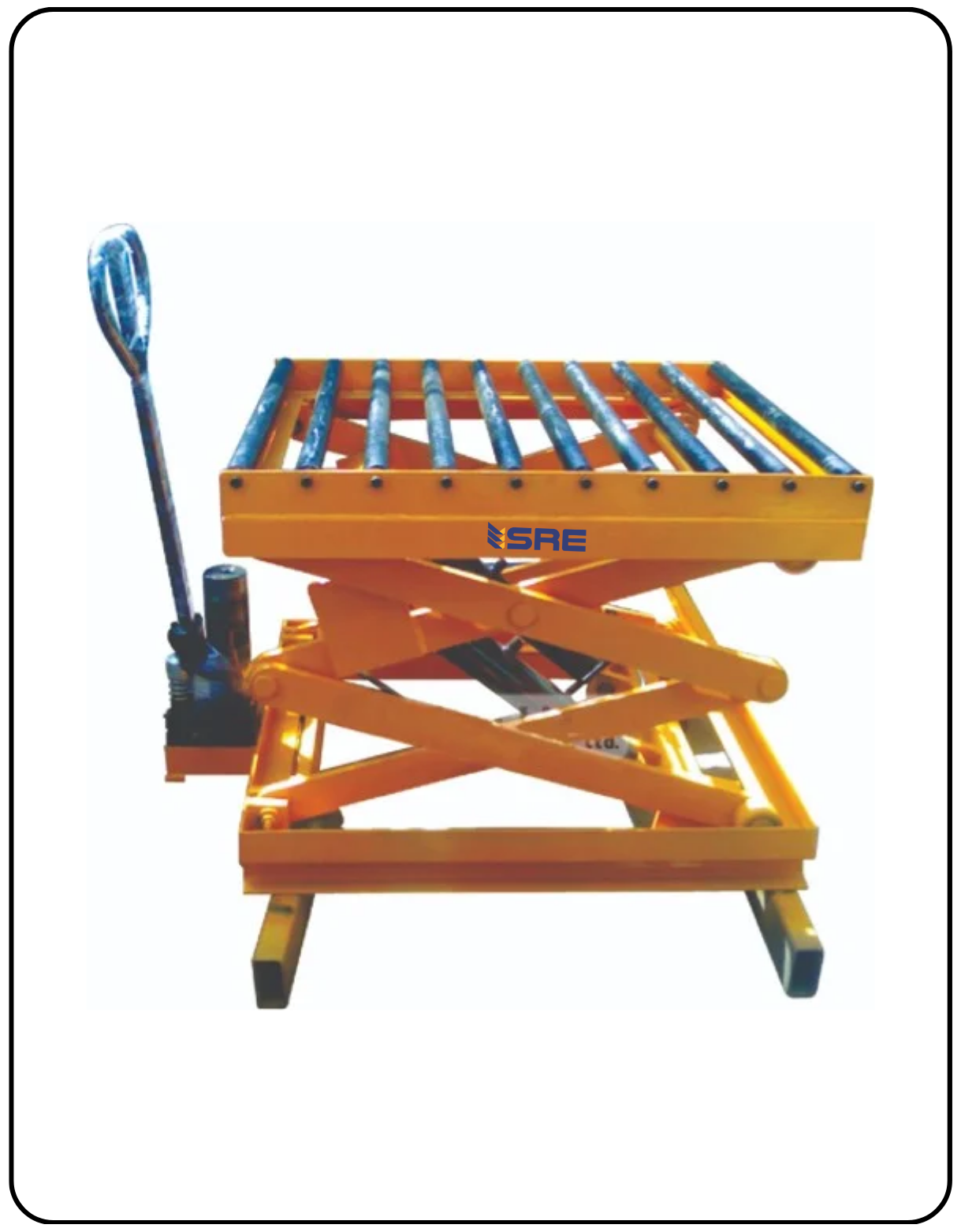
This means your team can handle heavier machine parts, Mobile Scissor Lift And Pallet Truck bulk materials, or storage units consistently and with minimal adjustment — a clear advantage over basic lifting gear.
Technology & Operational Efficiency
Wire rope hoists are not just about brute strength. Modern systems incorporate mechanical and electrical advantages that enhance uptime and reliability:
- Electric operation: Enables rapid lift/lower cycles with minimal operator effort.
- Smooth braking systems: Improve positional control, reducing shock loads.
- Durable drives: Designed for continuous, high‑cycle use common in busy warehouses.
For operations pushing multiple shifts per day, the difference between a primitive hoist and a modern wire rope hoist is not just speed — it’s consistency and reliability over time. Downtime has real cost implications, and equipment that works as expected every day contributes directly to operational efficiency.
Space Optimization & Maneuverability
Mumbai’s industrial and warehouse spaces are often at a premium. Narrow aisles, high racks, and compact layouts demand equipment that fits the space, not the other way around.
Wire rope hoists offer advantages in spatial efficiency:
- Compact design: Can be mounted overhead, freeing up floor space.
- Integration with narrow‑aisle systems: Works with cranes or gantries in tight corridors.
- Flexible positioning: Can serve multiple workstations from a single structural grid.
By lifting overhead instead of relying on ground‑level lifting gear, warehouses can optimize floor layout, reduce congestion, and support faster material flows.
Cost Efficiency Over Time
Cost is always a factor — but smart procurement decisions consider total cost of ownership, not just upfront price tags.
Wire rope hoists deliver long‑term value in several ways:
- Reduced injury‑related costs: Less spending on medical claims and downtime.
- Lower labor fatigue: Workers can perform consistently across shifts.
- Less unplanned downtime: Durable components designed for industrial use.
- Improved throughput: Higher productivity without proportionally higher labor cost.
Over months and years, these benefits compound into measurable operational savings. It’s not about claiming miraculous gains — it’s about steady, predictable improvement that supports business targets.
Sustainability & Compliance
Sustainability isn’t just an environmental motto — it’s increasingly part of compliance frameworks and corporate governance. While a wire rope hoist isn’t a “green product” in isolation, it aligns with responsible operational practices:
- Energy‑efficient drive systems can reduce power consumption.
- Reduced physical strain contributes to ethical workplace standards.
- Consistent performance supports compliance with safety codes and audits.
For companies that report on environmental and social governance (ESG) or undergo regular safety audits, equipment that supports these goals without disruption becomes part of the organizational compliance fabric.
Integration with Warehouse / Factory Workflow
A wire rope hoist doesn’t operate in a vacuum — it becomes part of a larger material handling ecosystem. In real facilities, this means aligning the hoist with:
- Inventory layout and picking sequences
- Conveyor and sorting systems
- Racking and shelving strategies
- Forklift and pallet‑movement patterns
Successful integration usually begins with a workflow assessment. Understanding where bottlenecks occur and how loads move through the facility helps determine ideal mounting points, hoist capacities, and control systems.
This isn’t about vendor hype — it’s about practical alignment with how work gets done every day.
Training, Ease of Use & Maintenance
Operational value is only realized when people can use the equipment confidently and safely. Wire rope hoists are designed with ease of use in mind:
- Intuitive controls: Operators can lift and position loads without complicated procedures.
- Basic training: Most teams can become proficient quickly.
- Predictable maintenance: Routine checks and lubrication schedules keep downtime low.
Maintenance isn’t an afterthought. With scheduled lubrication and inspection intervals, teams can plan maintenance windows without disrupting mainline operations.
Why Choosing a Reliable Manufacturer Matters?
Not all wire rope hoists are created equal. When evaluating options for your facility, consider:
- Manufacturer’s experience in industrial environments
- Availability of after‑sales support and spare parts
- Compliance with safety and quality standards
- Local service presence for faster response times
A reliable manufacturer is not about marketing slogans — it’s about consistent product quality backed by service readiness when your operations depend on it.
Conclusion:
In modern warehouse and industrial operations — especially in logistics‑intensive hubs like Mumbai — choosing the right material handling equipment is a strategic decision. A Wire Rope Hoist is not just a piece of hardware; it’s a tool that helps reduce labor fatigue, improve safety, enhance productivity, and deliver long‑term operational value.
For facility managers and procurement teams looking to make informed decisions, focusing on practical utility — not hype — is key. A well‑selected wire rope hoist integrates smoothly with workflows, supports daily operational goals, and contributes to a safer, more efficient workplace.
If you’re considering a wire rope hoist for your operations, explore technically robust solutions from experienced manufacturers like SRE MATERIAL HANDLING EQUIPMENT PRIVATE LIMITED. Visit their website to review specifications, consult with experts, and align your material handling strategy with real‑world operational needs: https://www.sremhepvtltd.com/
Key Takeaways
- Productivity: Wire rope hoists streamline material movement and reduce cycle times.
- Safety: Controlled and ergonomic handling reduces injury risks.
- Load Handling: Ideal for heavier, bulkier loads with stable performance.
- Cost Efficiency: Long‑term value from reduced downtime and injury costs.
- Workflow Integration: Flexible installation improves overall facility operations.
FAQS
Q1: What loads can a wire rope hoist typically handle?
- Wire rope hoists are engineered for a wide range of loads — from moderate weights in warehouse sections to heavy machinery in industrial plants. Capacity depends on model specifications.
Q2: How does a wire rope hoist improve safety?
- It provides controlled lifting and positioning, reducing manual strain and minimizing unpredictable movements that cause injuries.
Q3: Is maintenance complex for wire rope hoists?
- Routine maintenance involves lubrication and inspection. Most teams can perform these tasks with basic training and scheduled checks.
#WireRopeHoist #MaterialHandling #WarehouseSafety #IndustrialEquipment #OperationalEfficiency #SREMaterialHandling #WarehouseProductivity #MumbaiIndustry